Highlights
- Used industrial equipment offers cost-effective solutions for businesses that need reliable machinery.
- Thorough evaluations and inspections are crucial for mitigating risks in the used equipment market.
Overview of Used Industrial Equipment
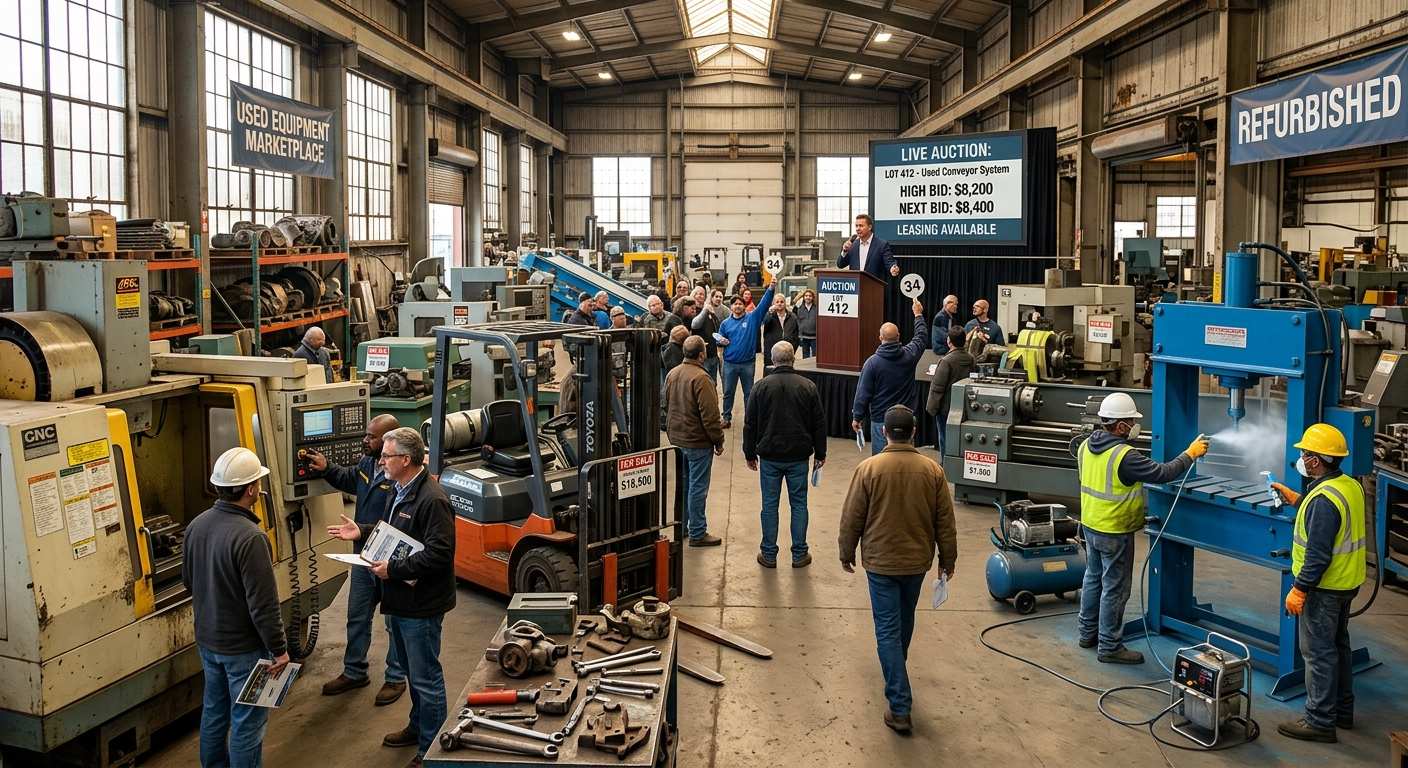
Used industrial equipment includes machinery and tools that have been previously employed in various manufacturing and production processes and are later resold or leased for further use. This category encompasses a wide range of machinery, from manufacturing tools to material handling devices and facility support systems such as compressors and generators. Notably, the market for used industrial equipment allows businesses—ranging from small workshops to large factories—to access economical machinery that meets operational demands, avoiding the higher costs and wait times associated with purchasing new equipment.
Acquisition Methods and Considerations
Buyers can acquire used industrial equipment through diverse methods, each with distinct advantages and implications. The primary acquisition methods include:
Direct Purchase
Purchasing used equipment directly from sellers is common, particularly businesses that are upgrading or downsizing. However, this method entails risks such as unforeseen performance issues and the absence of warranties, necessitating thorough inspections and due diligence. Working with reputable distributors, auction houses, or online marketplaces can mitigate some of these risks, ensuring secure transactions.
Leasing and Rental Options
Leasing has gained popularity as it enables capital preservation while providing access to current technology. There are two main leasing types:
– Operating Leases: Suitable for lower monthly payments and off-balance sheet accounting, but may involve penalties for early termination.
– Finance (Capital) Leases: Designed for long-term ownership, allowing lessees to purchase equipment at lease end.
Renting is typically suited for short-term needs and requires no long-term commitments.
Trade-Ins and Financing
Companies may also utilize trade-in programs or leverage existing equipment as collateral to facilitate new acquisitions. Equipment financing through loans or lines of credit can be beneficial, but often requires significant down payments and can impact cash flow more heavily than leasing.
Technical Condition and Performance Evaluation
The technical condition of used industrial equipment significantly impacts its performance and longevity. Various types of wear and tear are common, arising from prolonged use, which may affect safety and maintenance costs. Buyers should prioritize detailed inspections to identify potential issues such as fatigue wear or surface degradation. Regular maintenance and timely inspections can prevent costly breakdowns, while condition-based monitoring technologies enhance ongoing performance assessments. This diligence is vital for ensuring operational reliability, safety, and informed decision-making during acquisitions.
Legal and Environmental Considerations
The market for used industrial equipment operates under legal frameworks primarily based on contract law, defining the roles of lessors and lessees in leasing agreements. Compliance with environmental regulations is also crucial, influencing machinery use and safety. Buyers should carefully review leasing agreements for clarity on responsibilities and dispute resolution to mitigate legal risks.
Additionally, investing in used equipment supports sustainability efforts by minimizing waste and conserving resources. By opting for reused machines, businesses contribute to a circular economy and reduce their overall environmental footprint, which is increasingly crucial for corporate social responsibility.