Understanding RV & Motorhome financing without down payment in 2026: Discover Your Options
Highlights
- Zero-down RV financing opens ownership possibilities for buyers with limited upfront cash in 2026.
- Understanding terms and risks is essential for making informed RV financing decisions without down payments.
Understanding Zero-Down RV Financing in 2026
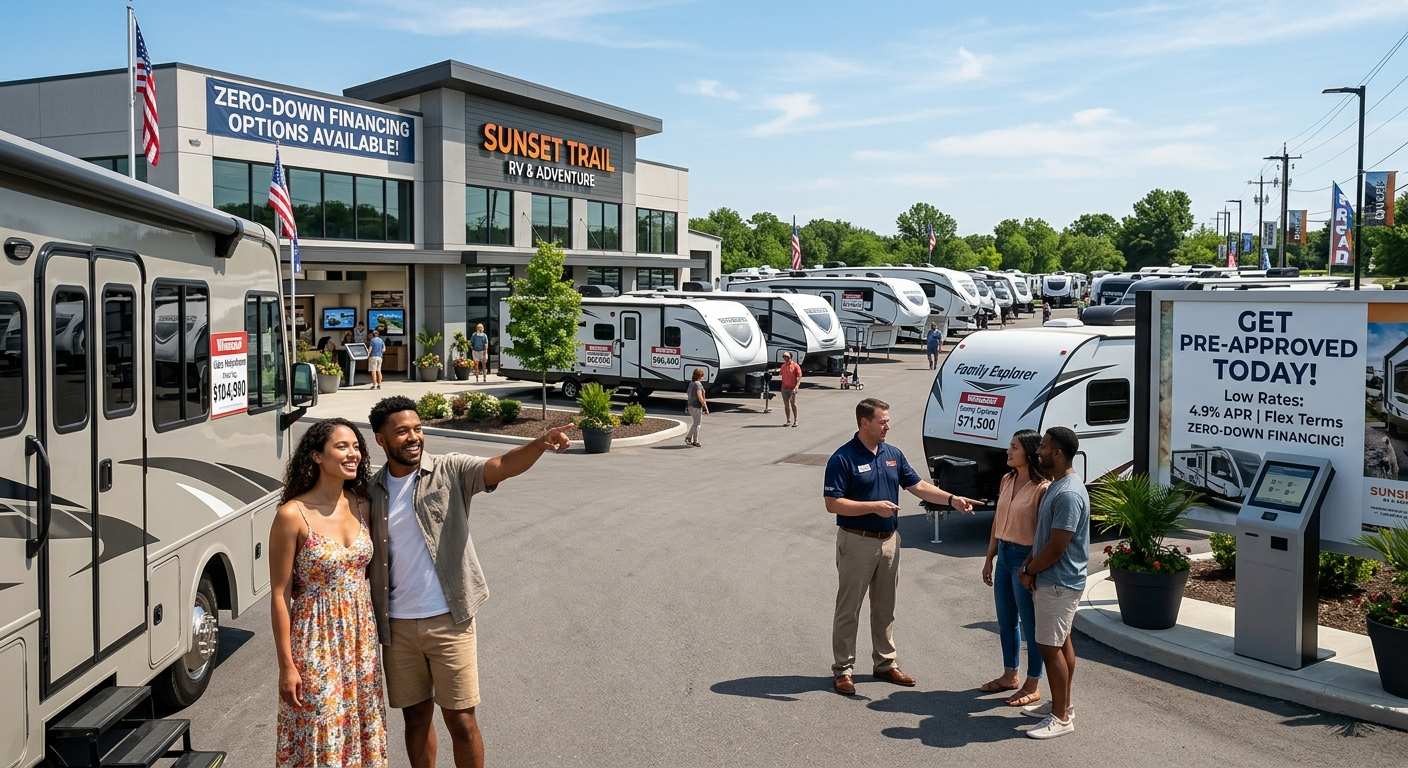
Zero-down financing for RV and motorhome purchases is increasingly relevant in 2026, enabling buyers to enter the recreational vehicle market without upfront cash. This financing option allows buyers to cover the full purchase price—including taxes, title, and fees—without an initial payment. However, while attractive, zero-down loans often come with higher interest rates and stricter eligibility requirements, typically favoring borrowers with strong credit profiles and low debt-to-income ratios. Consequently, applicants with weaker credit may face longer approval processes or higher costs, making careful evaluation essential.
Eligibility and Requirements for Zero-Down Financing
Eligibility for zero-down RV loans generally hinges on a strong credit score—usually at least 670—and a favorable debt-to-income ratio. Major banks, such as Wells Fargo and Bank of America, may offer zero-down options primarily to borrowers with top-tier credit, though this is not guaranteed. Factors like significant trade-ins or dealer incentives can also sometimes substitute for down payments. Buyers must confirm any waiver of the down payment in writing and review loan agreements meticulously, as higher interest rates or hidden fees may offset the benefits.
Considerations in Choosing Financing Options
When selecting a financing path, buyers should weigh several considerations. Zero-down loans allow faster access to RV ownership but may result in higher long-term costs due to increased monthly payments and lower equity. Furthermore, financial stability can be bolstered by making a down payment; ideally, a minimum of 10% is suggested to improve loan terms. Buyers should also evaluate the type and age of the RV being financed, as secured loans typically have better rates, making used RVs a more stable investment than new ones that depreciate quickly.
Interest Rates, Loan Terms, and Lender Options
Interest rates for RV loans in 2026 fluctuate widely, ranging from approximately 5.99% to 19.95%, influenced by the borrower’s credit profile and financing details. Generally, loans without a down payment will carry rates at least 0.25% higher than traditional loans, complicating the financial commitment. Various lenders, including online platforms, major banks, and credit unions, offer diverse financing options, though buyers should be mindful of comparing terms to secure the best rates. Additionally, using online tools can streamline this comparison process, providing multiple offers with a single application.
Risks and Challenges of Zero Down Payment Financing
While zero-down RV financing presents opportunities for buyers with limited savings, it carries inherent risks. Buyers may incur higher annual percentage rates, which significantly affect overall borrowing costs. Furthermore, many loans include clauses that necessitate lender approval for ownership transfer, impacting flexibility in future transactions. Couples with solid credit profiles might negotiate higher interest rates for the benefit of zero-down payments but must ensure that total costs over the loan term remain manageable. Understanding these implications helps buyers make informed choices aligned with their financial goals and risk tolerance.