Highlights
- Plumbing careers offer diverse paths, including specialty trades and opportunities for skill development.
- Strong demand and technological advancements shape a rewarding future in the plumbing profession.
Plumbing Career Overview
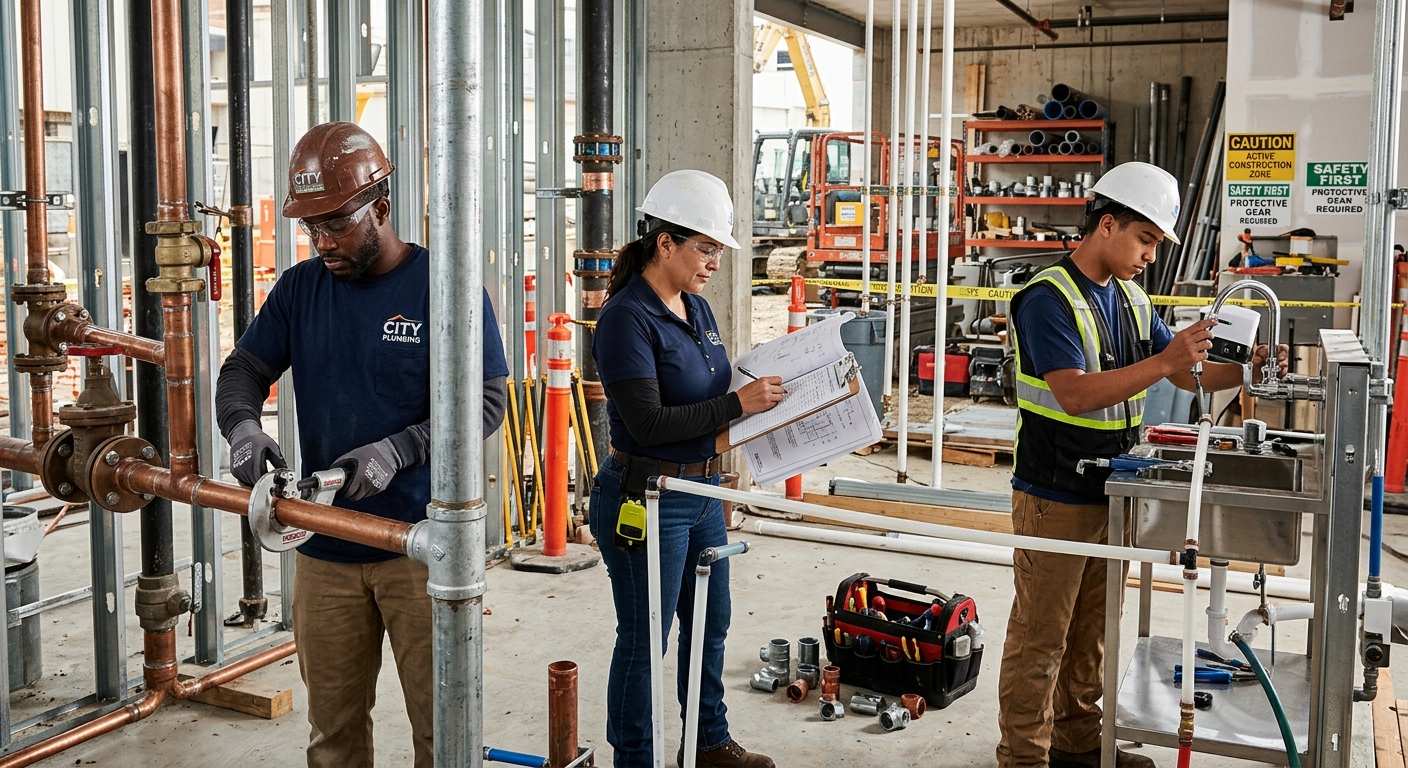
Plumbing offers a diverse range of career options, encompassing roles from general plumbing to specialized trades like steamfitting and gas-fitting. Plumbers operate in various settings—residential, commercial, and industrial—performing essential tasks such as installing and maintaining piping systems for water, gas, and waste. This versatility makes plumbing a dynamic profession with numerous pathways for skill development and advancement. Typically, entry into plumbing involves apprenticeships combining practical experience with classroom instruction on plumbing codes, safety regulations, and technical skills, coupled with varying licensing requirements across jurisdictions.
Specialization and Job Roles
Within the plumbing industry, several specialized roles require additional training and certification. Steamfitters focus on high-pressure steam systems used in industrial applications, requiring specialized safety training. Pipefitters install systems carrying fluids and gases while managing the complexities of different materials and environmental challenges. Gas-fitters are responsible for safely installing and maintaining gas systems, usually part of broader plumbing apprenticeships. Commercial and industrial plumbers deal with large-scale systems, necessitating advanced skills and certifications to effectively manage their responsibilities.
Education and Career Progression
Education in plumbing consists of apprenticeships that integrate hands-on training with theoretical instruction. Common prerequisites include completion of coursework covering safety, plumbing codes, and technical skills, culminating in licensing examinations. The career ladder typically follows apprentice, journeyman, and master plumber stages. Today, many plumbers specialize in areas like residential or commercial plumbing, with opportunities for advancement in business ownership or team management. Continuous education and training are crucial for staying up to date with regulatory standards and safety practices, enhancing career mobility within the field.
Work Environment and Safety Considerations
Plumbers work in various environments, with responsibilities ranging from routine repairs in residential homes to complex installations in commercial settings. Each environment presents unique risks, including exposure to biohazards and hazardous chemicals, as well as physical hazards like slips and falls. To address these challenges, safety training is essential, covering the proper use of personal protective equipment (PPE) and adherence to OSHA regulations. Regulatory compliance ensures a safe working environment, underscoring the necessity for plumbers to be vigilant about safety standards and practices.
Industry Outlook and Trends
The plumbing industry is experiencing positive job growth, largely influenced by demand in construction and renovation sectors. With the projected median annual salary for plumbers at around $62,970, opportunities are particularly strong for those specializing in pipefitting or steamfitting. Emerging technologies, such as water-saving fixtures and digital management systems, are reshaping practices and compliance standards, providing efficiency and improving sustainability. However, plumbers must remain adaptable, responding to the evolving landscape through ongoing training and embracing innovative practices to ensure long-term success in their careers.
The content is provided by Harper Eastwood, Scopewires