Understanding Grocery Assistance Programs: A Comprehensive Guide to Food Benefits and Eligibility in 2026
Highlights
- SNAP supports over 41 million participants, enhancing access to nutritious food nationwide.
- Upcoming USDA regulations require stricter stocking standards for retailers, improving nutritional quality for beneficiaries.
Summary
The 2026 guide on grocery assistance programs provides essential information on federal initiatives that aim to alleviate food insecurity, particularly through the Supplemental Nutrition Assistance Program (SNAP). As the largest federal food assistance effort, SNAP serves over 41 million individuals, offering monthly benefits via EBT cards used at authorized retailers. New regulations set for November 2026 will enforce higher stocking standards among retailers, ensuring they provide a greater variety of staple, nutritious foods. This initiative aims to enhance the diets of low-income families and individuals.
Other notable programs include WIC, targeting nutrition for women, infants, and children, alongside various commodity distribution initiatives like The Emergency Food Assistance Program. While eligibility largely hinges on income levels, complexities in administration, misconceptions about participation, and stigma continue to hinder access among qualifying populations. Efforts to combat misinformation and promote advocacy are essential for improving program uptake and reducing barriers faced by eligible individuals, particularly within immigrant communities.
Overview of Grocery Assistance Programs
Grocery assistance programs significantly contribute to food security for low-income individuals in the U.S. SNAP benefits are provided through EBT cards to eligible households, allowing them to shop for groceries. Starting in November 2026, retailers accepting SNAP will have to comply with new regulations requiring them to offer a more diverse selection of foods, including perishables, thus improving nutrition availability for beneficiaries.
In addition to SNAP, programs like the Emergency Food Assistance Program and WIC help target specific nutritional needs in communities. Administrative advocacy focuses on optimizing the efficiency of these programs, while recent changes shift more administrative cost burden to states, introducing potential financial challenges in program delivery. Consistent advocacy and resource allocation are crucial for sustaining program effectiveness amid these changes.
Major Federal Grocery Assistance Programs
The USDA manages key federal grocery assistance programs aimed at enhancing nutrition and reducing food insecurity. SNAP remains the cornerstone of these efforts, providing critical benefits to over 41 million Americans, many of whom are families with children or individuals with disabilities. The impending stocking requirements for retailers are designed to ensure that SNAP participants have access to a diverse range of nutritious options.
WIC complements SNAP, offering targeted nutritional support to pregnant women, new mothers, and young children. By providing education, resources, and food benefits through EBT, WIC strives to improve health outcomes in these vulnerable groups. Moreover, additional USDA initiatives—like various school meal programs—aim to meet the nutritional needs of children during critical development stages, reinforcing overall community health.
Eligibility and Enrollment Procedures
Eligibility for grocery assistance programs like SNAP and WIC is primarily income-based, with annual updates reflecting the federal poverty level. For SNAP, the general income threshold is set at 130% of the Federal Poverty Level, but many states have increased limits through categorical eligibility standards. Understanding the specific qualifications is key for individuals and families seeking assistance.
WIC eligibility also targets low-income pregnant women and children under five, operating under updated income guidelines to streamline access. The introduction of simplified application processes aims to accommodate special populations, such as students and the elderly, who have historically faced barriers in accessing support. Efficient enrollment procedures are necessary to facilitate timely access to benefits for those in need.
Benefits and Food Access
The grocery assistance programs are designed to enhance food access for low-income households by supplementing their grocery budgets. SNAP is pivotal in enabling families to purchase nutritious foods, ensuring eligibility is maintained through rigorous income assessments and asset limitations. By addressing grocery costs, these programs enable better dietary choices among economically disadvantaged populations.
Moving into 2026, SNAP benefits and program mechanisms will need to adapt to ongoing funding challenges and administrative changes. These adjustments aim to bolster food security and health among disadvantaged groups by reinforcing access to nutritious foods and minimizing barriers to participation in assistance programs.
Challenges, Controversies, and Advocacy
Despite their critical role, grocery assistance programs face significant challenges, including misinformation and administrative inefficiencies that can deter eligible individuals from enrolling. Community advocacy plays a crucial role in counteracting negative narratives and increasing awareness of benefits available to those in need.
Additionally, financial uncertainties with government funding and shifts in program administration create concerns about the sustained effectiveness of these assistance programs. Advocacy efforts focused on enhancing program execution and addressing stigma are vital for ensuring greater participation rates and improving the overall impact of grocery assistance initiatives.
Recent Updates and Innovations for 2026
Beginning in 2026, notable innovations in SNAP and WIC aim to enhance nutritional equity and streamline program access. Changes to SNAP eligibility rules facilitate the inclusion of more low-income individuals, while stringent regulations are being introduced to improve food options in participating retailers. These advancements reflect ongoing efforts to adapt to the evolving needs of vulnerable populations.
WIC is also implementing revised eligibility standards to increase efficiency and access. Such innovations underscore the USDA’s commitment to ensuring that grocery assistance effectively supports Americans in achieving food security and healthier dietary practices.
Resources and Support
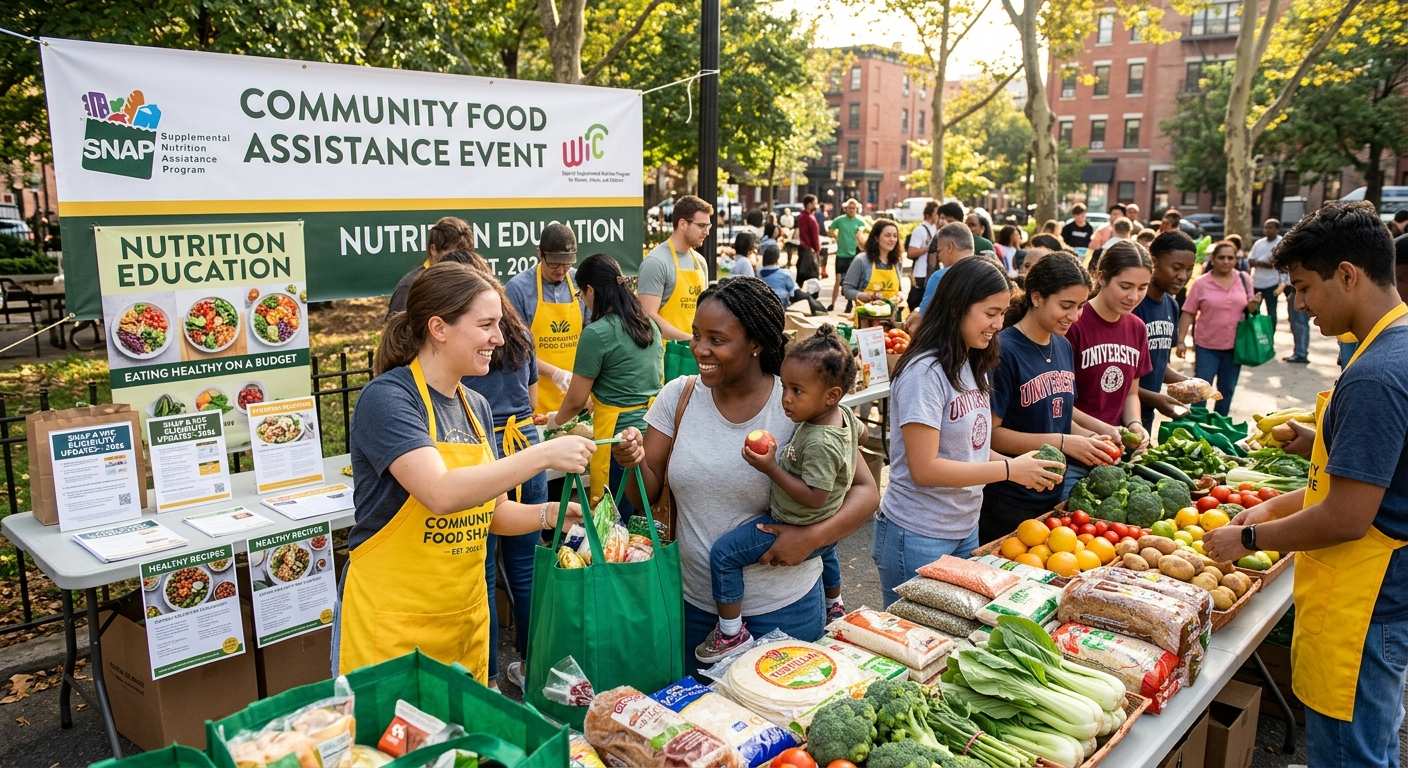
A variety of resources are available to assist individuals in navigating food assistance programs. Community organizations, in partnership with government programs, help distribute essential food supplies and provide information regarding nutrition support. These collaborative efforts aim to tackle food insecurity effectively.
Local advocacy efforts are crucial for raising awareness about the benefits and impacts of programs like SNAP and WIC. By sharing experiences and success stories, communities can encourage participation and reduce any prevailing stigma. Engaging with local representatives can further strengthen support mechanisms necessary for sustaining these essential assistance programs.