Highlights
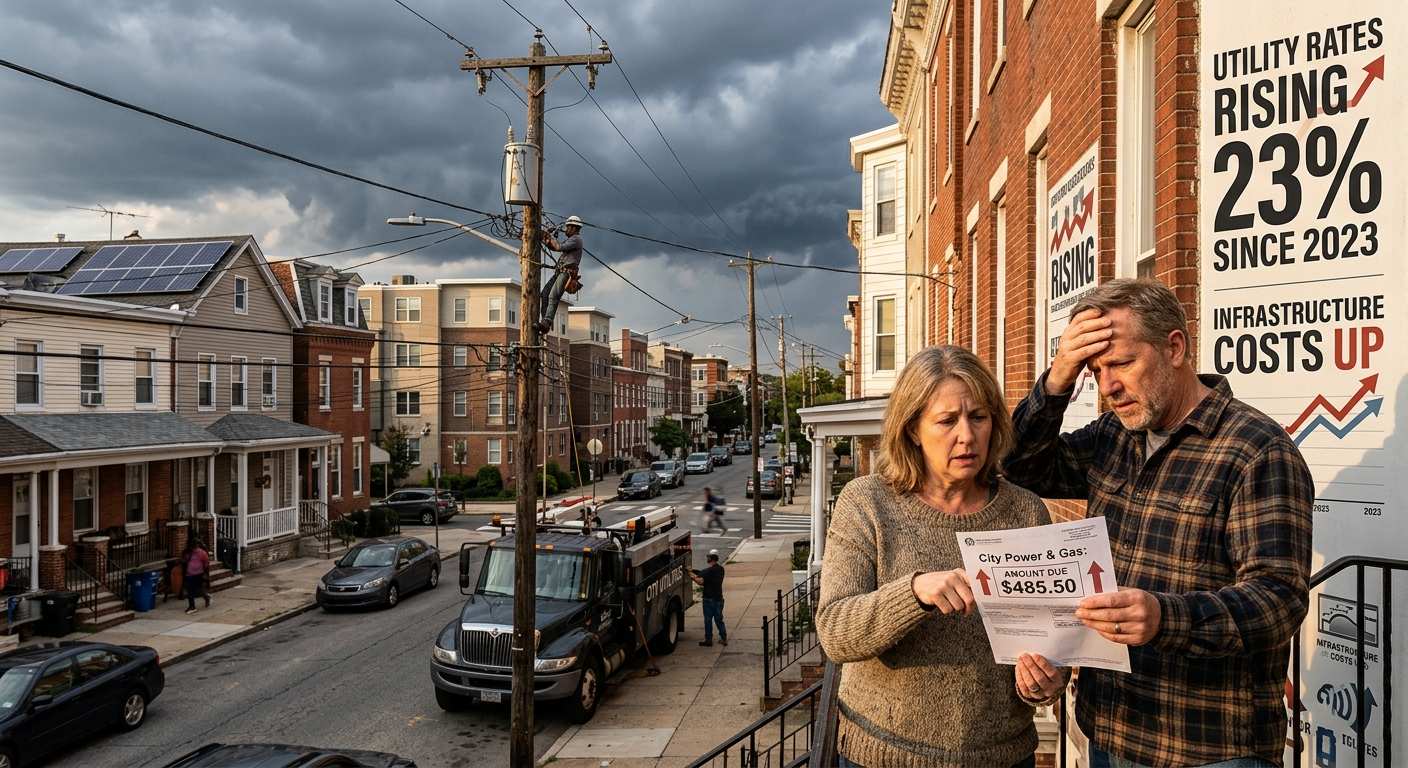
- Rising utility bills demand consumer engagement and awareness of new pricing programs.
- Infrastructure upgrades and regulatory reforms are crucial for maintaining affordable utility rates.
Summary of Rising Utility Bills
Utility bills in the U.S. have consistently outpaced inflation, causing concern among consumers and policymakers. The regulatory processes governing utility rates can lead to sudden bill increases, driven by the need for substantial investments in aging infrastructure and fluctuating fuel prices. Understanding the underlying causes—like significant upgrading efforts to withstand climate change—can help consumers make more informed decisions regarding their energy choices.
Key Drivers of Costs
Utility expenditures have risen significantly, as major electric utilities have increased their spending on infrastructure from $240 billion in 2014 to nearly $290 billion in 2024. Higher administrative and depreciation costs contribute to this trend, pushing rates up. Additionally, fluctuating fuel prices, seasonal rate changes, and the need for infrastructure surcharges further impact what consumers ultimately pay.
Infrastructure and Climate Change
Utilities are investing heavily in maintaining aging grid infrastructure and preparing for climate-change-related extreme weather, which has become a significant cost driver. Infrastructure damage from events like wildfires has increasingly impacted utility revenues, necessitating federal investments to retrofit utility systems for climate resilience. As costs rise due to both infrastructure investment needs and climate adaptations, consumers may feel the pressure on their bills more acutely.
Regulatory Framework Impact
The regulatory framework surrounding utility pricing can compound the rising costs, with state commissions determining rates that allow utilities to cover increased expenses while ensuring profitability. Policymaking in this area often leads to surcharges that finance infrastructure projects, sometimes benefiting utilities more than consumers. Understanding these regulatory intricacies may empower consumers to engage more effectively with their service providers about rate adjustments.
Market Dynamics and Economic Influences
Electricity demand is surging due to trends like home electrification and manufacturing growth, necessitating extensive infrastructure investment. Fluctuations in supply chain costs and global energy prices also contribute to rising utility expenses. In this context, consumers need to recognize how market dynamics may influence their bills and consider tools to better manage their energy consumption.
Technological and Environmental Changes
Technological advancements and environmental changes are influencing utility costs. Rising expenses for infrastructure projects due to material costs can translate into higher bills. Meanwhile, climate change impacts, including the need for utilities to harden their infrastructure, add to ongoing financial pressures while transitioning to renewable energy sources introduces both costs and benefits that consumers should examine closely.
Consumer Engagement and Behavior
Adjusting consumer behavior, such as reducing water heating or shifting energy usage to off-peak hours, can significantly impact utility bills. By understanding billing practices and adopting energy-efficient technologies, consumers can take proactive steps to manage costs. Engaging with utilities about pricing mechanisms or programs can further enhance financial outcomes.
Regional Cost Variation
Electricity rates vary significantly regionally, influenced by local regulations and infrastructure. Areas with deregulated markets often see higher costs as profit maximization becomes a priority. This disparity highlights the importance of understanding local utility practices and policies to anticipate and manage rate increases effectively.
Strategies for Mitigation
Addressing rising utility costs requires a multifaceted approach, focusing on enhancing infrastructure resilience, improving energy pricing mechanisms, and fostering consumer engagement. Innovative financing strategies can help manage deferred maintenance while encouraging investments in sustainable infrastructure. Advocating for fair and transparent pricing models can also alleviate the financial burdens on consumers.
Concerns and Controversies
Criticism related to utility rate increases often revolves around the justification of capital investments and the extent to which they benefit consumers. Transparency in regulatory frameworks and the impact of renewable energy integration on costs remain contentious points. Furthermore, discussions about net metering policies reveal complex dynamics of cost-sharing among ratepayers, contributing to ongoing debates about the fairness of utility pricing overall.
The content is provided by Blake Sterling, Scopewires