Highlights
- The HCV Program subsidizes 60% to 70% of rent for low-income families in Houston.
- The closed waitlist highlights urgent demand for affordable housing—stay informed for future applications.
Summary
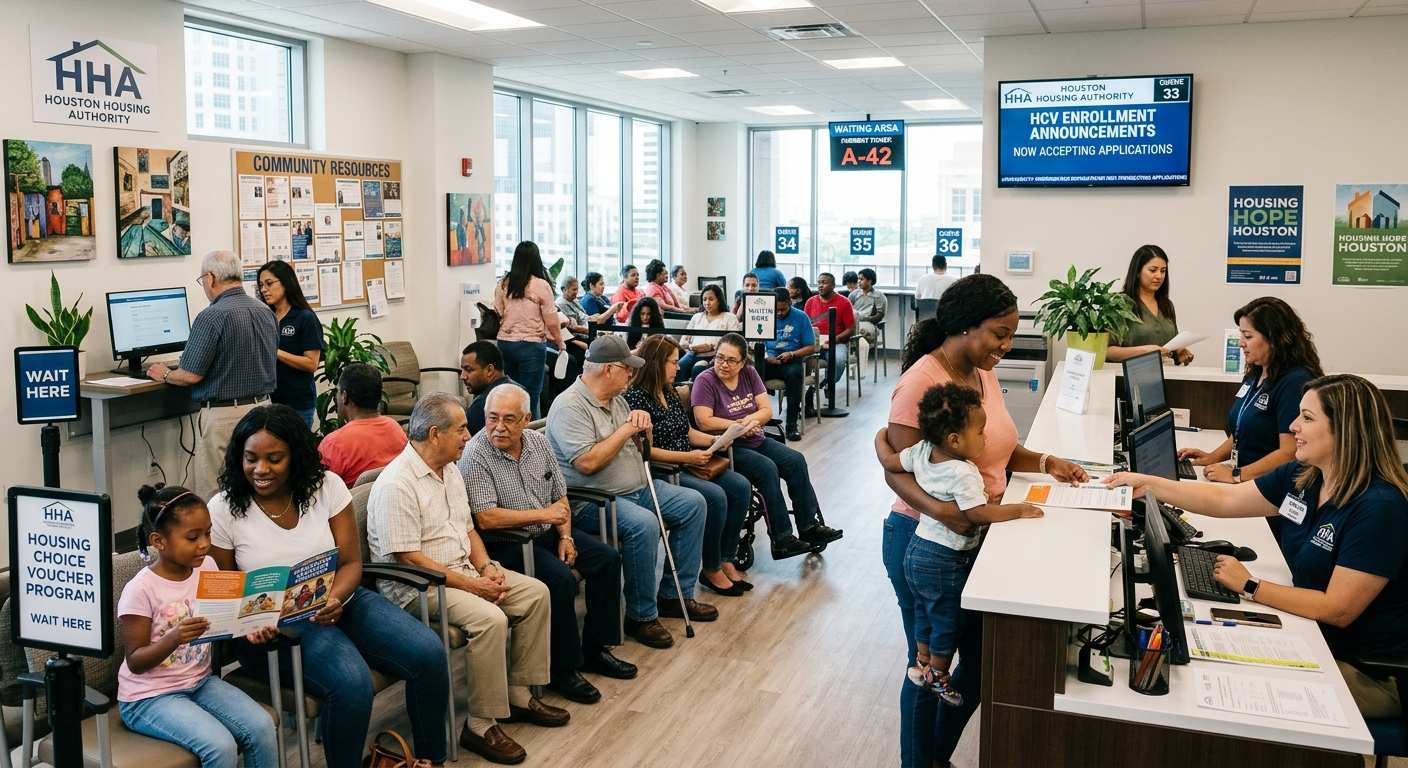
The Housing Choice Voucher (HCV) Program, administered by the Houston Housing Authority (HHA), offers federally funded rental assistance to low-income families, seniors, and individuals with disabilities in Houston and Harris County. This program subsidizes between 60% and 70% of rent while ensuring that housing units comply with the U.S. Department of Housing and Urban Development’s (HUD) quality standards. As poverty rates remain high, particularly among children, the HCV program provides critical flexibility, allowing recipients to choose eligible rental units from participating landlords.
As of 2026, participation in the program is limited by updated HUD income eligibility limits and Fair Market Rent (FMR) standards, generally requiring household incomes below 50% of the Area Median Income (AMI). Due to high demand, the HHA’s waitlist is currently closed to new applicants, with around 2,500 families advised to update their information online to retain eligibility. The application period for the 2026 cycle opens until July 1, 2026, followed by a lottery system for selection.
However, significant challenges persist, including a shortage of affordable housing and anticipated funding cuts for Emergency Housing Vouchers (EHVs) in 2026. These pressures, alongside the complexities of online applications, present barriers for some applicants. The HHA is committed to transparency and public engagement through policy updates, public hearings, and effective management of housing assistance programs.
Understanding the Housing Choice Voucher Program
The HCV program, once known as Section 8, is a tenant-based rental assistance initiative that allows eligible participants to pay 30% to 40% of their annual income toward rent, with the remaining balance covered by the Housing Authority. Housing units must meet HUD standards to ensure safe living conditions. This program provides alternatives for residents impacted by redevelopment projects, enabling them to choose from a broader rental market compared to project-based vouchers, which are limited to specific housing developments.
The program supports economic self-sufficiency through services like the Family Self Sufficiency Program, which offers employment assistance. Participants often face rigid eligibility requirements, needing to demonstrate income levels below the defined AMI thresholds. The program also allows for portability, permitting voucher holders to relocate to other jurisdictions after meeting certain participation criteria.
Application and Waiting List Management
As of 2026, prospective applicants must submit applications for the HCV program by July 1, with the selection via lottery on July 16. Existing waitlist members must re-register through a new online portal, failing which they risk removal. Historical context shows that openings for the HCV waitlist are rarely available, often remaining closed for extended periods. The number of current waitlist spots is constrained and does not accommodate new applicants, reflecting the persistent mismatch between demand and resources.
Reducing barriers is a priority for the HHA, which provides multiple assistance channels, including phone support during the application period. Requests for initial verification of eligibility involve ensuring that contact details align with current household situations, which may affect voucher distribution.
Operational Challenges and Program Integrity
The ongoing management of the HCV program encounters significant challenges, including a lack of available affordable housing. The waitlist remains closed to new entries, leaving many families without the necessary support. Compounded by funding uncertainties regarding EHVs, these challenges raise concerns about the program’s long-term sustainability. Administrative hurdles, such as mandatory online profiles, may hinder applicant engagement, particularly for those unfamiliar with technology.
Fraud prevention is crucial to maintaining integrity within the program, necessitating strong oversight to prevent misuse of funds. The Houston Housing Authority’s ability to navigate these obstacles will significantly impact its effectiveness in distributing housing assistance in a climate of increasing demand and heightened scrutiny.
Regulatory Framework and Future Outlook
Federal guidelines from the U.S. Department of Housing and Urban Development (HUD) dictate many aspects of the HCV program, impacting eligibility standards, funding, and operational processes. With expected changes, including the potential discontinuation of Emergency Housing Vouchers in 2026, local agencies must adapt accordingly to ensure compliance and optimize the utilization of available resources.
Ongoing updates to payment standards and program guidelines are designed to provide clarity and direction for both participants and housing authorities. The dual focus on regulatory adherence and public responsiveness reflects an evolving approach to address affordable housing challenges effectively, ultimately shaping the future of the HCV program in Houston.
The content is provided by Sierra Knightley, Scopewires