Highlights
- Second-hand gym equipment offers significant cost savings for budget-conscious fitness enthusiasts.
- Purchasing quality used machines allows access to high-end options that may be otherwise unattainable.
Overview of Second-Hand Gym Equipment
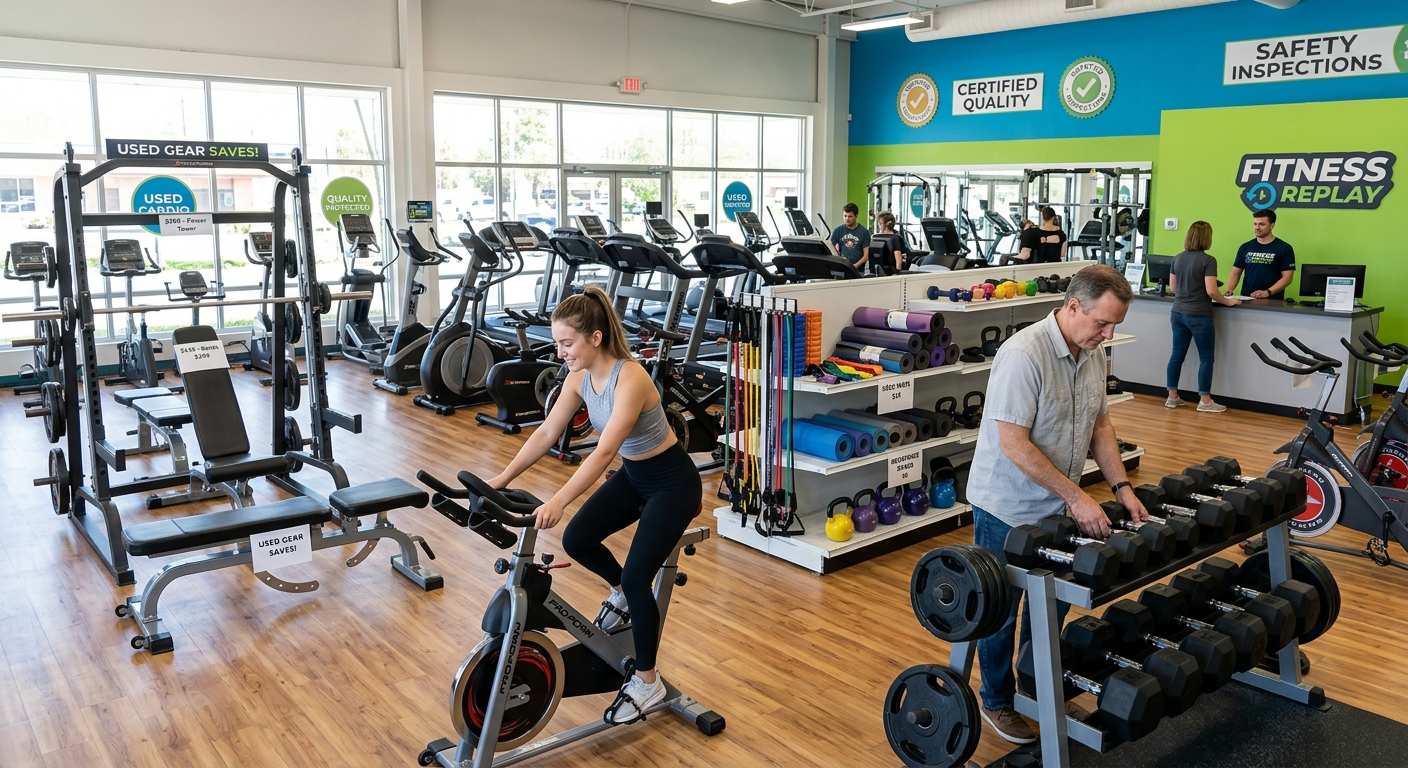
Second-hand gym equipment, encompassing fitness machines and accessories previously owned and resold, has become increasingly popular due to the potential for significant cost savings compared to new items. This trend appeals primarily to budget-conscious individuals, startups, and small fitness facilities seeking affordability and access to higher-quality or commercial-grade machines. The variety of used equipment available includes strength training gear, cardio machines, and multi-functional devices. However, caution is advised, particularly with items like treadmills and complex electronics, which may carry higher risks of malfunction and repair costs. Evaluating the condition of equipment, ideally with proper certifications and maintenance records, is vital for mitigating potential safety hazards and ensuring reliable performance.
Benefits and Motivations for Purchasing
The primary motivations for buying second-hand gym equipment include substantial cost savings, flexibility in usage, and access to quality brands. Buyers often find that purchasing used equipment significantly lowers the costs associated with setting up personal or commercial fitness spaces. Additionally, some sellers provide rental options or allow trials of the equipment before full commitment, reducing the financial risk involved. Prioritizing quality by selecting remanufactured or certified products from reputable dealers further enhances the safety and performance of used items, offering buyers an economical yet reliable solution. Overall, balancing these factors positions second-hand purchases as a practical choice in the fitness market.
Assessing Condition and Quality
When considering second-hand gym equipment, evaluating the condition and safety of the machines is crucial. Signs of wear, such as damaged pads or mechanical malfunctions, must be checked thoroughly to assess functionality. Ensuring that safety features like emergency stops are intact and operational reduces the risk of accidents. Detailed inspections, ideally guided by checklists, can help maintain consistency in evaluations, with special attention to older models due to potential parts availability issues. Buying from reputable sellers who offer warranties and adhere to safety certifications can significantly affect product quality, encouraging buyers to prioritize condition over price to avoid future costs associated with repairs.
Sources and Purchase Considerations
There are various channels for acquiring second-hand gym equipment, from online marketplaces like Facebook Marketplace to specialized sports equipment stores. Each source presents unique risks and benefits, with online platforms offering a broader selection but potential issues with price inflation and equipment quality. Physical stores, especially those that refurbish equipment, often provide items that have been inspected and come with warranties, lowering the risk of post-purchase failures. It’s also essential for buyers to budget for regular maintenance and repairs, typically advised at 15–25% of the purchase price, as this ensures longevity and effectiveness of the equipment over time.
Health and Safety Considerations
Health and safety risks associated with second-hand gym equipment require careful management. Potential concerns include mechanical failures and unhygienic conditions, which can arise from improper maintenance or the absence of critical safety features. Establishing preventive maintenance schedules, conducting regular inspections, and ensuring comprehensive cleaning practices are crucial for mitigating these risks. Buyers should also consider the implications of buying used equipment, which may require more frequent maintenance compared to new machines. Ultimately, purchasing from trusted sources and following rigorous inspection protocols can enhance safety and reliability in the use of second-hand fitness gear.
The content is provided by Blake Sterling, Scopewires