Highlights
- Prepared meal programs empower seniors by promoting nutrition and independence while reducing food insecurity.
- Enhancing awareness and funding for these programs is crucial for sustaining vital services for seniors.
Summary of Prepared Meal Programs for Seniors
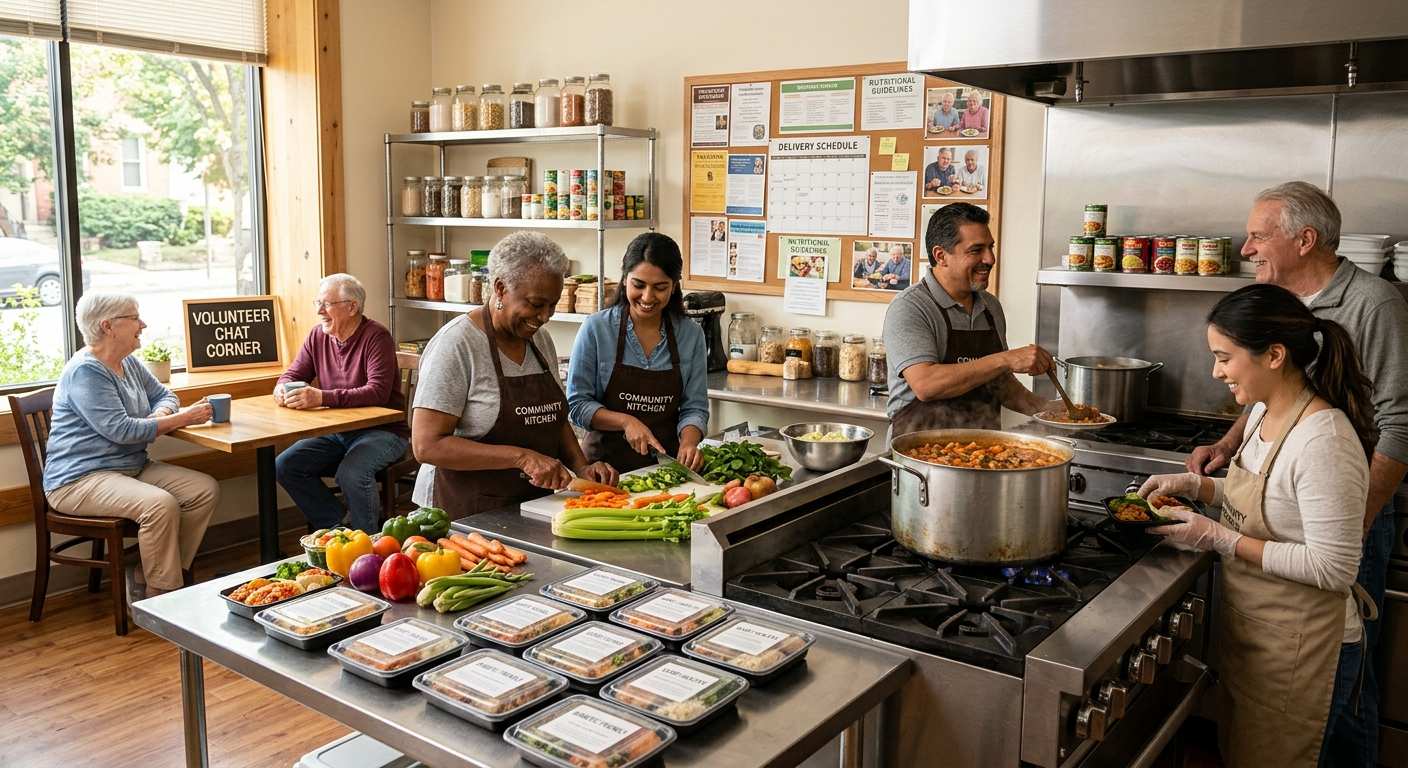
Prepared meal programs offer essential support for seniors facing challenges in meal preparation due to health or physical limitations. These initiatives, like Meals on Wheels, provide nutritious meals delivered to homes or served in community settings, improving overall nutrition, reducing food insecurity, and promoting autonomy among older adults. Funded mainly through the Older Americans Act alongside community resources, they serve millions at little to none cost while emphasizing dietary needs for various health conditions.
Benefits and Nutritional Value
These meal programs significantly enhance well-being by providing balanced nutrition, which is crucial for physical and cognitive health. With options catering to health conditions like diabetes and heart disease, seniors receive tailored meals that help manage their dietary needs. Additionally, the programs contribute to lowering healthcare costs by reducing hospitalizations and offering social interaction, which combats loneliness.
Eligibility and Enrollment Process
Generally, seniors aged 60 and older qualify for participation, although criteria can vary by program and location. Enrollment typically involves contacting local agencies for an assessment of needs to ensure eligible seniors can access services, as many programs require no income verification. Understanding local eligibility and application processes is vital for families aiding seniors in navigating these options.
Challenges in Accessing Services
Barriers such as strict eligibility restrictions, limited awareness of available programs, and the impacts of technological hurdles hinder many seniors from utilizing meal services. Many remain unaware of their eligibility for benefits like SNAP, leading to underutilization. There’s a rising demand coupled with financial instability, creating waitlists and limiting access to necessary services for seniors.
Family Support Strategies
Families should actively assist seniors in accessing meal programs, particularly by helping with technological hurdles related to ordering and navigation. Collaborating with healthcare professionals can create personalized meal plans addressing specific health needs, optimizing overall dietary management. Learning about local delivery options and eligibility can further empower families to make informed decisions that enhance seniors’ access to nutrition.
Operational and Funding Context
Prepared meal programs typically operate through federal, state, and local partnerships, with Meals on Wheels often serving as a central model. Federal funding through the Older Americans Act is critical yet increasingly unstable due to rising operational costs. Community support through donations and volunteer involvement remains essential for maintaining these services, particularly as demand grows amid recent cuts to associated welfare programs.
Strategies for Enhanced Service Delivery
Innovative solutions in meal delivery, like partnerships with grocery stores and leveraging technology, aim to improve access to services. Understanding regional differences in program implementation can inform families about the best local resources. Moreover, integrating meal programs with health care initiatives allows seniors to receive nutritional support aligned with medical needs.
Conclusion
Prepared meal programs play a vital role in promoting health and dignity for seniors. Through collaborative efforts and enhanced awareness, families and communities can support these initiatives effectively, ensuring that all seniors have the opportunity to access necessary nutrition while retaining their independence and quality of life.