Highlights
- Part-time physical therapy jobs provide flexible opportunities for work-life balance and supplemental income.
- Telehealth and remote care are expanding part-time roles, enhancing access for underserved populations.
Summary of Part-Time Employment for Physical Therapists
Part-time jobs in physical therapy provide flexible employment options within a profession typically characterized by full-time roles. These positions accommodate practitioners who seek reduced hours due to personal commitments or ongoing education while allowing them to maintain core responsibilities like patient evaluation and treatment planning across various settings, such as outpatient clinics and home health care. The growing demand for part-time roles aligns with the profession’s adaptability, offering viable options for improving work-life balance and creating supplemental income opportunities.
Availability and Types of Part-Time Positions
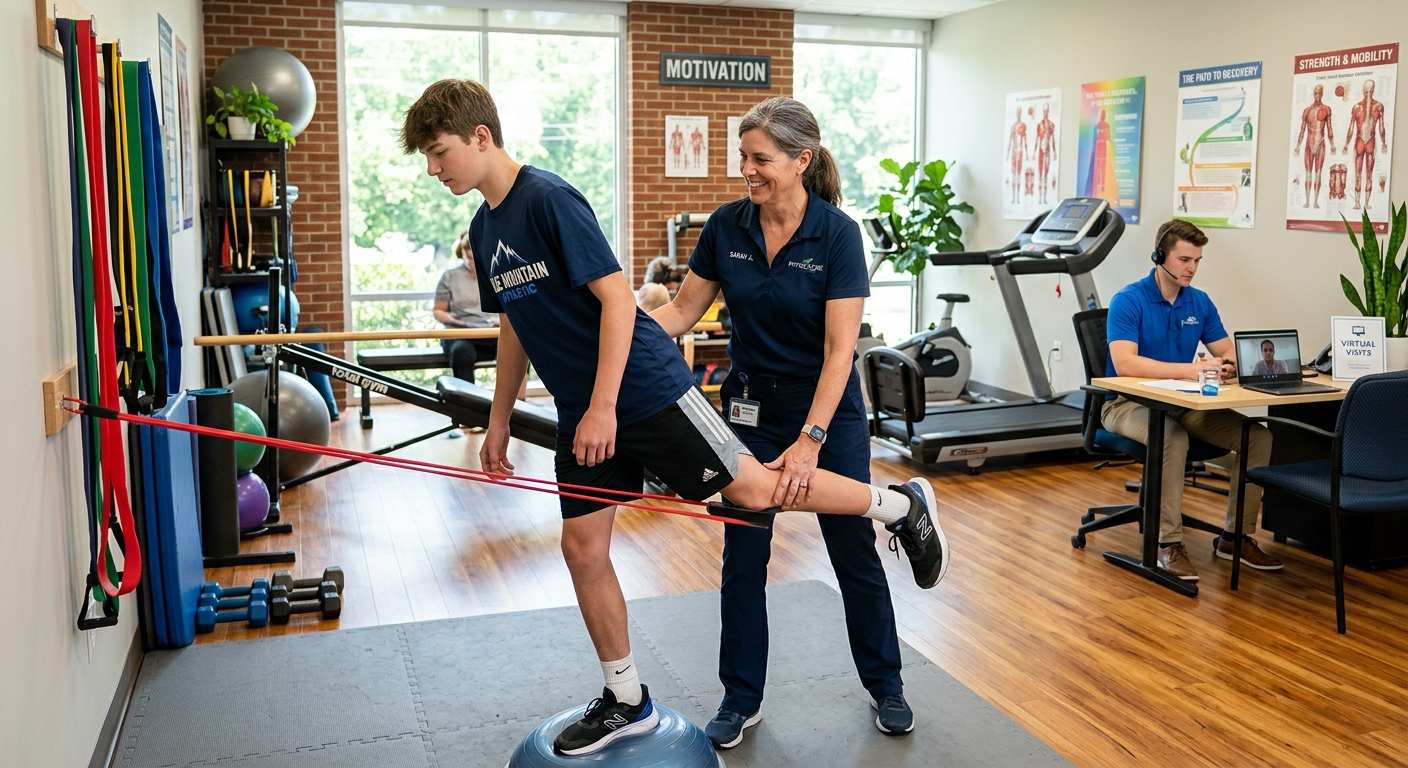
Part-time opportunities for physical therapists are diverse and can be found in outpatient clinics, hospitals, home health services, schools, and rehabilitation centers. These roles often allow practitioners to adjust their schedules to fit personal needs. Outpatient clinics lead in demand and flexibility, typically hiring part-time therapists to address patient mobility and function. Telehealth has also expanded options for remote services, thus offering added flexibility to therapists balancing clinical work with other commitments.
Clinical Specialties and Employment Requirements
In the field, specialties such as orthopedic, sports, and neurological physical therapy are particularly significant for part-time employment. These areas have high demand for clinicians capable of providing specialized care on flexible schedules, which is evident from a reported 11% vacancy rate in outpatient clinics. While specific experience is often preferred, the evolving healthcare landscape increasingly invites new graduates and internationally trained therapists to pursue part-time roles, provided they meet licensing and educational standards.
Challenges Associated with Part-Time Roles
While part-time roles offer notable flexibility, they come with challenges, including substantial administrative duties, variability in job types, and compliance with diverse state licensing regulations. Therapists must navigate a complex landscape of requirements that can include criminal background checks and continuing education, particularly if they move across state lines. Furthermore, fluctuating economic factors and healthcare policies can affect job conditions and compensation, necessitating therapists to remain adaptable and informed when negotiating employment terms.
Future Trends and Considerations for Part-Time Employment
The expansion of part-time roles in physical therapy is driven by increasing healthcare demands and technological advancements. Innovative services such as telehealth are redefining traditional practice models, enhancing the flexibility available to practitioners. However, the profession faces ongoing workforce shortages, highlighting the need for strategic policy interventions aimed at recruitment and retention. Equally important is the understanding of varied licensing requirements, which can create barriers to practitioners seeking part-time work across different states. The ability to adapt to these evolving dynamics is essential for success in part-time roles within physical therapy.
The content is provided by Harper Eastwood, Scopewires