Highlights
- Non-surgical facial rejuvenation focuses on natural-looking results with minimal downtime and risk.
- Personalized and innovative treatments are driving significant growth in the aesthetic market.
Non-Surgical Facial Rejuvenation: Trends and Considerations for 2026
Non-surgical facial rejuvenation has evolved significantly by 2026, emphasizing minimally invasive treatments that enhance skin vitality, restore volume, and improve texture without surgical risks and recovery time. This trend prioritizes natural results, catering to increasing patient preferences for subtle enhancements that complement the skin’s regenerative capabilities. Key modalities include injectable neurotoxins, dermal fillers, energy-based devices, and regenerative therapies like platelet-rich plasma (PRP), often integrated into personalized, multi-modal treatment plans to address individual anatomical and aging characteristics.
Key Modalities of Non-Surgical Rejuvenation
Injectable neurotoxins, such as Botox®, and dermal fillers remain central to non-surgical facial rejuvenation strategies. These treatments mitigate wrinkles by relaxing muscles and restoring volume using substances primarily composed of hyaluronic acid. Innovations in next-generation neuromodulators extend the potential for subtle, long-lasting effects. Furthermore, advancements in energy-based devices combining radiofrequency, lasers, and ultrasound have enhanced treatment options that improve skin texture and stimulate collagen production across varied skin types.
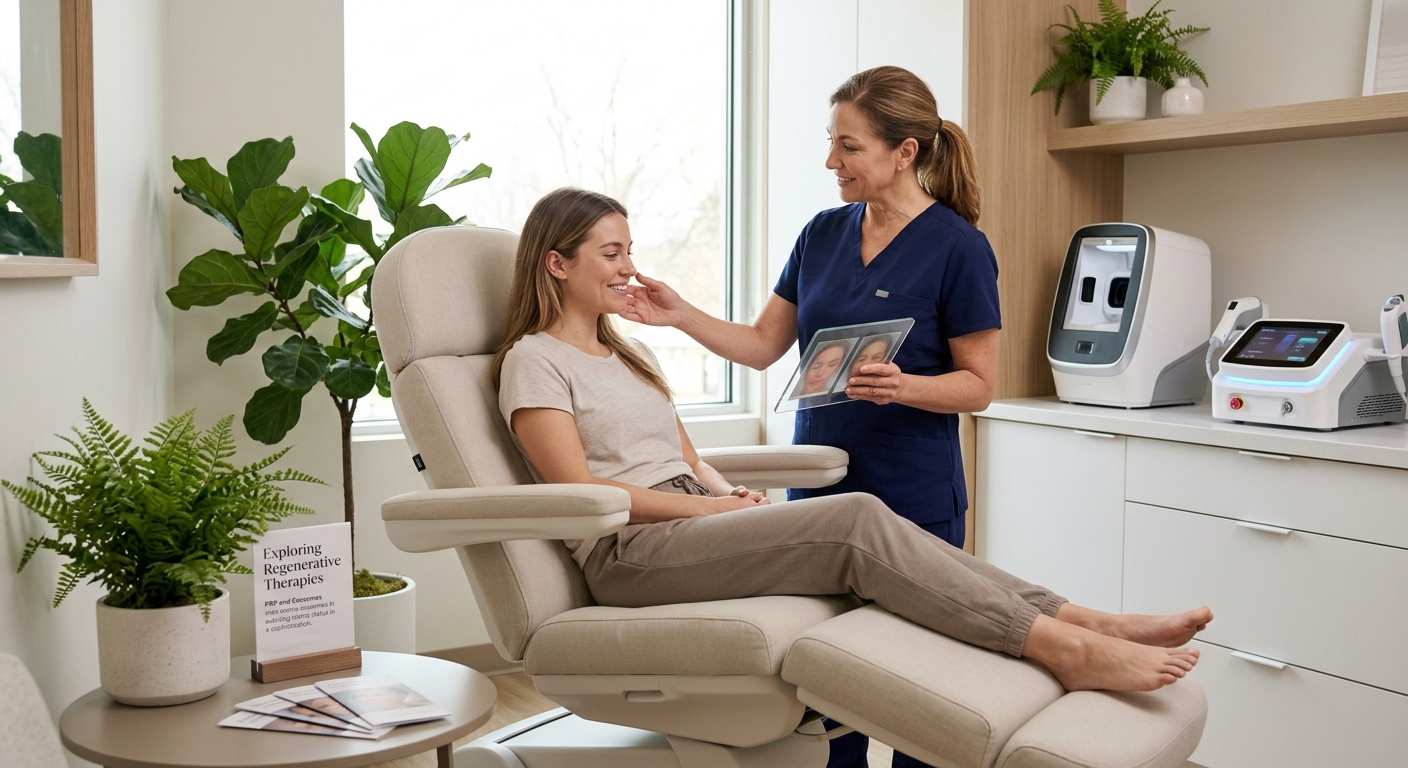
Regenerative therapies, gaining momentum for their skin repair capabilities, are increasingly integrated into rejuvenation protocols. Treatments such as PRP and exosomes accelerate healing while enhancing skin quality, aligning with the trend toward preventive measures favored among younger patients. This integration supports a comprehensive strategy aimed at achieving natural results with minimal downtime.
Clinical Benefits and Patient Considerations
Non-surgical treatments offer benefits such as reduced recovery times and customizable results, catering to those who seek subtle enhancements without the invasiveness of surgery. While procedures like dermal fillers effectively restore volume and enhance contours, results usually last from one to three years, compared to the more enduring effects of surgical options. Importantly, effective treatment outcomes rely heavily on thorough patient assessments, including individual goals, skin quality, and anatomical considerations.
Patient education is essential in determining candidacy for surgical versus non-surgical interventions. Misalignment between patient expectations and treatment outcomes can lead to dissatisfaction and may complicate future options should patients opt for non-invasive procedures without professional guidance. Practitioners are tasked with fostering open discussions to ensure realistic goal-setting while exploring comprehensive treatment plans that may combine both modalities for optimal results.
Risks and Safety Considerations
While generally safe, non-surgical facial rejuvenation treatments carry specific risks dependent on practitioner expertise and individual patient factors. Considerations include patient selection, treatment compatibility with skin type, and potential side effects from injectables and regenerative therapies. Proper treatment planning mitigates risks associated with adverse effects, particularly in patients with diverse skin tones or those receiving high volumes of injectables.
Long-term effects of injectables on skin quality remain under study, necessitating careful monitoring and standardization in protocols to optimize results and minimize complications. Overall, maintaining transparency with patients about the risks associated with various treatment options is vital for achieving satisfaction and favorable outcomes.
Cultural and Social Impact of Non-Surgical Treatments
Recent cultural shifts have transformed attitudes toward non-surgical facial rejuvenation, with an increasing desire for natural-looking improvements over exaggerated transformations. This evolution reflects a growing acceptance of aesthetic treatments, fueled by individual motivations and societal influences. Despite the widespread adoption of non-invasive techniques mirrored in market growth—such as the projected $20 billion valuation of the U.S. noninvasive aesthetic treatment sector—challenges in managing patient expectations and aligning them with appropriate treatment options continue to exist.
In summary, the landscape of non-surgical facial rejuvenation in 2026 features sophisticated approaches that integrate technological advancements with patient-centered care. Practitioners must navigate the complexities of treatment options, patient goals, and safety considerations to effectively address the diverse needs of individuals seeking aesthetic enhancements.