Highlights
- Medicare grocery benefits enhance nutrition and chronic disease management for eligible seniors.
- Careful assessment of Medicare Advantage plans is crucial to optimize grocery benefit eligibility.
Medicare Grocery Benefits Overview
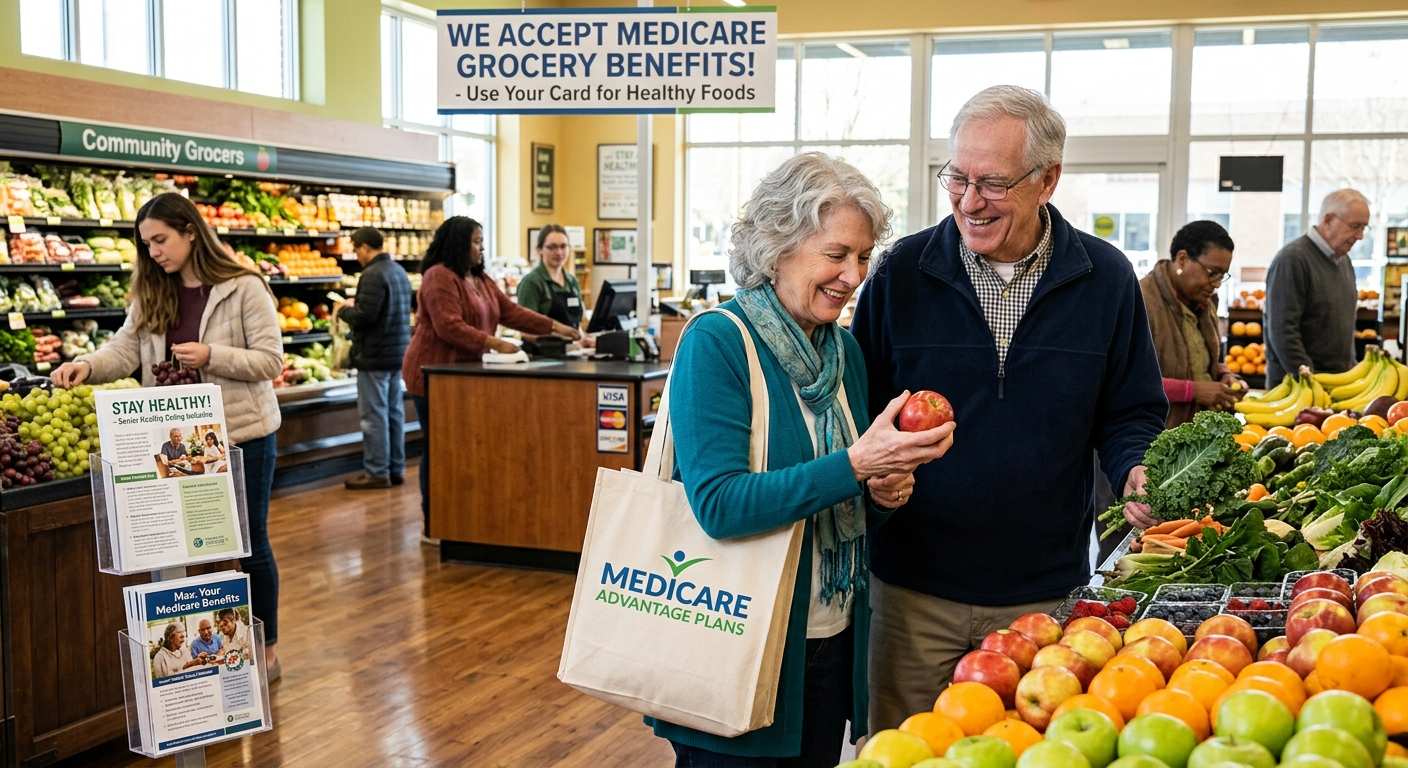
Medicare grocery benefits, primarily available through specific Medicare Advantage (MA) plans, provide eligible beneficiaries with funds or cards to purchase approved healthy foods. These benefits target individuals with chronic health conditions or those enrolled in Medicare and Medicaid, aiming to enhance nutrition and well-being. While original Medicare does not cover grocery expenses, these supplemental benefits help manage health outcomes among vulnerable populations by addressing social determinants of health.
Eligibility for Grocery Benefits
To access grocery benefits, individuals generally need to enroll in specialized Medicare Advantage plans such as Chronic Condition Special Needs Plans (C-SNPs) or Dual Eligible Special Needs Plans (D-SNPs). Eligibility usually requires having specific chronic health conditions, like diabetes or heart disease. Beneficiaries must also be enrolled in Original Medicare before entering a Part C plan, making it essential to review qualifying conditions and plan specifics before applying.
Types of Offered Grocery Benefits
Medicare Advantage plans may offer various grocery benefits, predominantly through allowances or healthy food cards. These allow beneficiaries to purchase nutritious foods at designated stores. Grocery allowances can be offered monthly, quarterly, or annually and cover a range of healthy items while excluding non-nutritive products. Furthermore, some plans provide meal delivery options after hospital stays, underscoring the focus on nutrition among chronic care patients.
Considerations and Restrictions
Not all Medicare Advantage plans include grocery benefits, and these offerings can significantly vary by region and plan type. The allowances are often limited to specific approved food items and retail outlets. Beneficiaries should verify their plan details to ensure they understand the restrictions and avoid potential scams by recognizing the authentic channels for obtaining information about grocery benefits.
Enrollment Process
Understanding the enrollment process is crucial for beneficiaries seeking grocery benefits. Generally, enrollment occurs during designated periods, and beneficiaries may need to switch plans if their current one does not offer these benefits. Consulting with a licensed agent can clarify options, eligibility, and the specifics of each plan’s grocery benefit offerings. Additionally, beneficiaries ought to familiarize themselves with the rules regarding eligible food items and retailers.
Coverage and Usability
Medicare grocery benefits, offered through MA plans, vary greatly in coverage specifics, including the dollar allowance and retailer participation. Typically, grocery cards provide limited scopes of purchase, often designating particular stores such as Walmart or Kroger. It’s crucial for beneficiaries to use their allowances within the specified time, as unspent funds typically do not roll over. Understanding the nuances of what items are eligible under each plan can enhance the overall benefit experience.
Coordination with Medicaid
For dual-eligible individuals, Medicare benefits may be coordinated with Medicaid to facilitate comprehensive care. Dual Eligible Special Needs Plans (D-SNPs) are specifically designed to streamline benefits from both programs, providing recipients with better access to necessary services. Beneficiaries should recognize the integration of these programs enhances their care experience but may also involve navigating different eligibility requirements across states.
Challenges and Considerations
While Medicare grocery benefits aim to improve nutrition, certain challenges persist, including discrepancies in eligibility rules and potential fraud concerns. Many beneficiaries report confusion over their eligibility, and scams exploiting these benefits have emerged. Additionally, provider network limitations and prior authorization requirements can complicate access. Despite the positives, beneficiaries are encouraged to critically evaluate plans and their specifics to maximize their benefits.
Future of Grocery Benefits
Recent expansions to grocery benefits reflect ongoing efforts to enhance the integration of health and nutritional support. Policymakers are expected to continue refining these offerings and expanding eligibility, particularly focusing on dual-eligible populations. As programs evolve, beneficiaries should stay informed about developments within their plans to ensure they are taking full advantage of the grocery benefits tailored to their needs.
The content is provided by Avery Redwood, Scopewires