Highlights
- Smart roofing technologies can extend service life by up to 30%, enhancing efficiency and durability.
- Proactive maintenance and tailored strategies are crucial for preventing costly roof failures.
Summary
Maximize Your Home’s Lifespan with Smart Roof Repair Strategies explores the vital role of roof maintenance and innovative technologies in extending the durability, efficiency, and overall value of residential roofing systems. As one of the most critical components protecting a home from weather damage, a well-maintained roof safeguards structural integrity and helps prevent costly repairs. This article highlights the importance of proactive upkeep, material-specific challenges, and advanced repair techniques that enable homeowners to maximize their roofs’ longevity.
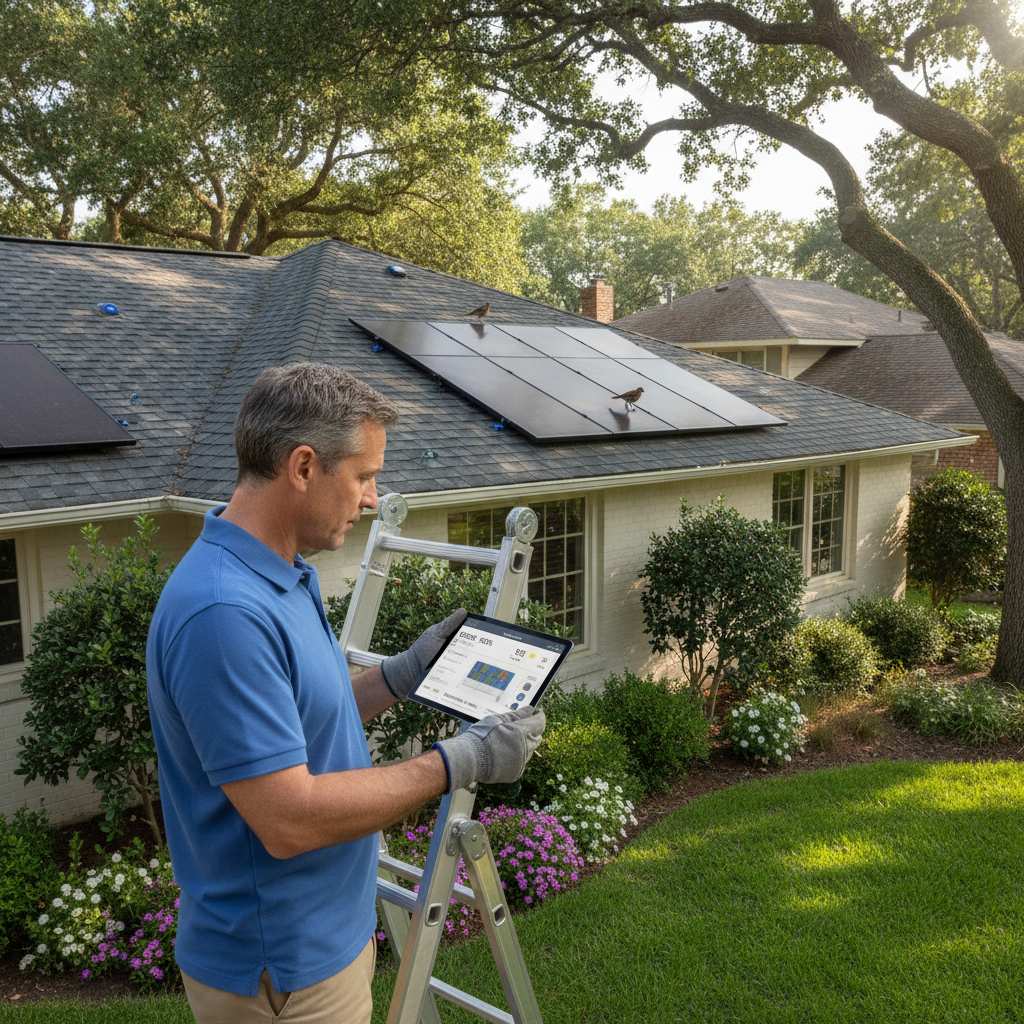
The integration of smart roofing technologies—including IoT sensors, AI-powered analytics, and real-time monitoring—marks a transformative shift from reactive repairs to predictive maintenance. These innovations allow early detection of leaks, material fatigue, and environmental damage, optimizing repair scheduling and reducing emergency costs. Smart roofs can extend service life by up to 30% compared to conventional systems, offering significant benefits in durability, energy efficiency, and homeowner peace of mind.
The article also addresses common roofing problems across various materials such as asphalt shingles, metal, and cedar shake, emphasizing tailored maintenance and repair strategies for each. Preventive care, including regular inspections and timely interventions, is underscored as essential to avoiding premature roof failure and costly replacements. Additionally, it explores how proper ventilation, insulation, and environmentally conscious practices contribute to improved energy efficiency and sustainability in home roofing.
While smart roof repair strategies offer promising advancements, challenges such as higher upfront costs and complex installation requirements are noted. Coordinated efforts among roofing, electrical, and solar professionals are often necessary to realize the full benefits of these systems. Despite these considerations, the convergence of traditional maintenance and cutting-edge technology presents a compelling approach to enhancing roof longevity, reducing long-term expenses, and supporting sustainable homeownership.
Importance of Roof Maintenance
Roof maintenance is crucial for extending the lifespan of a home’s roof and preventing costly repairs. As one of the most essential components of a house, the roof protects the structure from weather elements and preserves its integrity. Despite this, many homeowners tend to overlook routine upkeep until significant problems emerge. Engaging professional roofing contractors for regular maintenance not only helps avoid expensive repairs but can also add years to the roof’s durability.
Preventative maintenance is especially important in regions with harsh weather conditions, such as winter, where snow and ice can cause damage. Professionals can safely remove snow, inspect for ice damming, and provide comprehensive services including roof repair, replacement, cleaning, and inspections. They also offer tailored roof maintenance checklists to guide homeowners through routine care. This proactive approach helps in identifying and addressing minor issues before they escalate into major repairs or replacements.
Smart roofing strategies emphasize extending the life of existing roofing systems by using advanced materials and preventative care rather than relying solely on replacement. Such approaches benefit retirees and long-term homeowners by reducing worry, lowering utility bills, and providing predictable savings without unexpected repair costs. Smart roofs can last up to 30% longer than conventional systems, underscoring their value as a long-term investment.
Regular maintenance also plays a vital role in enhancing a home’s energy efficiency. A well-maintained roof with proper insulation and ventilation reduces leaks and improves temperature regulation, which in turn lowers energy consumption. This allows HVAC systems to operate more efficiently, promoting sustainability and cost savings.
Common Roofing Issues and Material-Specific Challenges
Roofing systems, regardless of material, face various common issues that can compromise their functionality and longevity. Identifying these problems early can prevent costly repairs and extend the lifespan of the roof.
General Roofing Problems
One of the most frequent signs of roof damage includes leaks, which often arise from compromised waterproofing due to poor installation or natural wear. Leaks can lead to water infiltration that damages the structure beneath the roofing material, including underlayments and decking, and may cause interior water damage such as stained ceilings, warped surfaces, or mold growth. Additionally, physical damage like dents, scratches, or loose panels can occur from environmental factors such as high winds, hail, or heavy snow. Accumulation of moss is another common issue that can deteriorate shingles by trapping moisture, necessitating professional removal and treatment to prevent further damage. Aging and poor attic ventilation can cause shingles to curl or cup, creating water pockets that exacerbate deterioration.
Asphalt Shingles
Asphalt shingles are the most common roofing material in the United States and exhibit several material-specific problems. Damage from hail, heat exposure, and aging can lead to blistering, cracking, curling, or granule loss, all of which diminish the roof’s protective abilities. Hail damage in particular may show as small dark spots or cracks, often requiring repair or replacement when widespread. To maintain asphalt shingle roofs, homeowners are advised against power washing and should instead rely on professional moss removal and chemical treatments to prevent biological growth.
Metal Roofing
Metal roofs offer durability and resistance to severe weather conditions but also present unique challenges. Common issues include leaks around fasteners or roof penetrations caused by deteriorated seals and washers, loose or missing panels often resulting from inadequate attachment or high winds, and visible water stains indicating compromised roof integrity. Due to the scale and complexity of commercial metal roofing systems, improper installation can significantly increase the risk of water infiltration and related damages. However, advances such as self-healing metal shingles, which use thermoplastic additives to seal minor cracks automatically in response to heat, are helping reduce maintenance needs and extend roof lifespan.
Cedar Shake and Other Premium Materials
Cedar shake roofs, made from natural wood, come in various grades with differing durability and aesthetic appeal. These premium systems are susceptible to damage from environmental exposure, including cracking and deterioration from moisture. Proper maintenance and timely repairs are critical to preserving their appearance and protective function.
By understanding these common roofing problems and the challenges specific to each roofing material, homeowners can better anticipate maintenance needs and make informed decisions to maximize the lifespan of their homes’ roofs.
Smart Roof Repair Strategies
Smart roof repair strategies leverage advanced technologies such as IoT sensors, AI-powered analytics, and real-time monitoring to optimize maintenance, reduce repair costs, and extend the lifespan of roofing systems. By integrating these technologies, property owners and facility managers can proactively identify and address roofing issues before they escalate into costly repairs or structural failures.
Smart roofs employ built-in sensors that continuously monitor key parameters including moisture levels, temperature, humidity, structural strain, and weather conditions. These sensors provide real-time data that is accessible through mobile apps or building management systems, allowing users to detect early signs of leaks, material fatigue, or environmental damage. For example, leak detection sensors alert homeowners to moisture buildup well before water damage occurs, while temperature and humidity monitors help prevent mold growth.
The use of AI and predictive analytics enhances these systems by analyzing sensor data alongside weather patterns to forecast wear and tear. This enables maintenance teams to schedule timely repairs, avoid emergency interventions, and allocate resources more efficiently. Such predictive maintenance transforms traditional reactive approaches into proactive strategies, significantly reducing downtime and extending roof service life.
Installation of smart roofing systems requires coordination between roofing, electrical, and solar teams to integrate sensors, wiring, and software effectively. Once operational, these systems facilitate seamless integration with home automation, enhancing overall energy management and efficiency. Some smart roofs also incorporate features like reflective and impact-resistant materials, ventilation controls, and solar-ready components to further improve durability and sustainability.
Moreover, continuous monitoring supports budget forecasting and regulatory compliance by providing accurate, historical data trends and instant reporting capabilities. This data-driven approach not only minimizes costly emergency repairs but also helps property owners optimize maintenance schedules, thereby maximizing the longevity and performance of their roofs.
In commercial settings, smart roof repair strategies extend to the use of AI-enabled cameras, thermal imaging, and geo-fencing sensors to ensure worker safety and environmental quality during maintenance operations. The combination of these technologies contributes to safer, more efficient roofing workflows and reinforces long-term asset protection.
Repair Techniques by Roofing Material
Metal Roofs
Repairing metal roofs begins with identifying the specific material, such as steel or aluminum, along with the panel style (exposed or concealed fasteners) and the existing color and paint system. It is essential to consult qualified roofing professionals with experience in metal roofing to perform inspections and estimate repair needs accurately. Common issues include leaking around fasteners due to deteriorated seals or washers, loose or missing panels often caused by high winds, and water stains indicating compromised roof integrity. Repair typically involves tightening or replacing fasteners, applying sealants or butyl tape to seal leaks, and installing expansion joints in larger systems to accommodate thermal movement and reduce stress on the roof.
Innovations in metal roofing also include the use of self-healing materials embedded with tiny sealants that fill small cracks automatically before leaks occur, reducing maintenance and emergency repairs. Regular inspection and timely attention to loose fasteners or damaged sealants help preserve the roof’s longevity, which can range from 50 to 70 years given proper care.
Asphalt Shingle Roofs
Asphalt shingle repairs generally involve the careful removal of damaged shingles and replacing them with new ones, using correct nailing techniques and hand-sealing lifted tabs with asphalt plastic roof cement to ensure a watertight seal. It is recommended to avoid face-nailing for permanent repairs to prevent water infiltration. Minor repairs may include patching isolated damaged areas; however, widespread issues such as cracking, cupping (concave centers), curling (raised edges), or significant granule loss usually indicate the need for full roof replacement.
Cupped or curled shingles are often caused by aging, heat exposure, or poor attic ventilation, leading to water pooling and increased vulnerability to damage. Routine maintenance such as cleaning debris and trimming nearby branches reduces physical damage and animal infestations that can exacerbate shingle wear. Applying small dabs of ASTM-compliant asphalt cement beneath new shingle tabs improves sealing and longevity, especially before the natural adhesion develops from sun exposure.
Other Roofing Materials
Wood shakes and clay tiles require specific considerations due to their fragility and susceptibility to physical damage from wildlife or environmental factors. Routine attic inspections help detect issues caused by pests such as raccoons and squirrels that may damage roofing materials or insulation. For all roofing types, minimizing roof traffic and promptly addressing minor damage prevents escalation to costly repairs or premature roof replacement.
Common Roof Damages to Monitor for Costly Repairs
Roofs are among the most expensive components of a home to repair, making early detection of damage essential to avoid costly problems. Various types of roof damage can compromise the structural integrity and weather resistance of the roof, so homeowners should be vigilant in monitoring and addressing these issues promptly.
Shingle Damage
Asphalt shingle roofs commonly suffer damage from hail, intense sun exposure, and snow accumulation. One key sign of shingle aging is the shedding of granules, which can often be noticed in gutters or on the lawn; this indicates that the shingles are becoming more vulnerable and may soon require replacement. Hail damage may appear as small dark spots or cracks and is often difficult to detect without a professional inspection after severe weather events. Additionally, algae growth can cause long dark streaks on shingles; although algae does not cause immediate damage, over time it can rot shingles if left untreated.
Moss Growth
Moss growth on shingles can cause significant damage if it becomes established. It typically appears as green clumps on the roof surface, and if left unchecked, affected shingles may need to be replaced by professionals. Proper removal involves using an air broom rather than power washing to avoid forcing water beneath shingles, followed by chemical treatments such as zinc or copper solutions to kill residual moss spores.
Metal Roof Issues
Metal roofs require particular attention to leaks around fasteners or penetrations, which may indicate deterioration of seals or washers. Loose or missing panels, often caused by high winds or improper installation, also signal damage that requires immediate repair. Corrosion is an inevitable concern for metal roofs, influenced by metal type, paint systems, and environmental factors. Additionally, failed sealants or butyl tape can allow water intrusion, necessitating timely maintenance to preserve roof integrity.
Other Common Problems
Leaks are a primary concern across all roof types and can result from moisture buildup, sealant failure, or structural weaknesses. Water stains inside the building often indicate hidden roof leaks that need prompt attention. Frequent inspections focusing on seams, joints, and penetrations can help identify these vulnerabilities early.
By understanding and monitoring these common roof damages, homeowners can take proactive steps to maintain roof health and extend its lifespan, preventing more extensive and expensive repairs down the line.
Preventive Maintenance Best Practices
Preventive maintenance is essential to maximizing the lifespan and performance of a roof. Adopting a proactive approach through regularly scheduled inspections and timely repairs helps minimize the total and annualized cost of roof ownership while providing greater peace of mind over time. The National Roofing Contractors Association recommends conducting roof inspections at least twice a year, as well as after severe weather events, to identify and address early signs of wear and tear.
A comprehensive preventive maintenance plan typically involves scheduled inspections, prompt repairs of minor issues, and routine cleaning to protect roofing materials. During inspections, homeowners or professionals should assess common problem areas such as seams, joints, leaks, rust, and loose panels, ideally when the weather is dry to ensure accurate detection of damage. Repairs may include applying sealants or roofing cement to leaks, replacing damaged panels, and securing loose fasteners to prevent escalation of damage.
Regular cleaning of debris from the roof surface is crucial to protecting shingles and extending their lifespan. Additionally, maintaining proper attic ventilation and insulation plays a significant role in preventing heat and moisture buildup that can deteriorate roofing materials over time. Poor ventilation can lead to ice dams in winter and excessive heat in summer, both of which shorten roof longevity. Adequate insulation helps regulate indoor temperature, reducing strain on HVAC systems and improving overall energy efficiency in the home.
While some minor repairs, such as replacing asphalt shingles, can be straightforward, it is generally recommended that trained roofing professionals perform such tasks to ensure safety and proper installation. By committing to proactive repairs and maintenance, homeowners can avoid costly major renovations and help their roofs remain durable, efficient, and sustainable for years to come.
Environmental and Energy Considerations in Roof Maintenance
Proper roof maintenance plays a crucial role in enhancing a home’s energy efficiency and environmental sustainability. A well-maintained roof helps regulate indoor temperatures by providing adequate insulation and ventilation, which reduces heat loss during winter and heat gain in summer. This, in turn, allows heating, ventilation, and air conditioning (HVAC) systems to operate more efficiently, leading to lower energy consumption and cost savings for homeowners.
Regular maintenance and minor repairs not only prevent extensive damage but also contribute to better insulation performance and fewer leaks, thereby preserving the structural integrity of the home while reducing environmental impact. Preventative measures help avoid costly renovations, conserving materials and minimizing waste.
Innovations in smart roofing technology further enhance these environmental and energy benefits. Smart roofs equipped with integrated solar panels, self-healing materials, weather-responsive tiles, and built-in sensors enable real-time monitoring of roof conditions and energy usage. These features support early damage detection, improved energy management, and lower operational costs. By harnessing such technology, homeowners can reduce their carbon footprint, improve sustainability, and increase the longevity of their roofing systems.
Innovative Tools and Technologies for Roof Maintenance
Advancements in roofing technology have introduced a variety of innovative tools and systems designed to enhance roof maintenance, extend lifespan, and improve energy efficiency. These technologies integrate smart materials
Case Studies and Success Stories
Several case studies highlight the effectiveness of smart roof repair strategies in maximizing a home’s lifespan while reducing overall maintenance costs. One notable example involves homeowners who implemented customized preventative maintenance plans developed by professionals. These plans, tailored to specific roof types, ages, and conditions, included scheduled inspections twice yearly along with prompt repairs of minor issues. As a result, these homeowners experienced prolonged roof durability and reduced the likelihood of costly repairs over time, demonstrating that investing in preventative maintenance is both practical and economical.
In another success story, retirees and long-term homeowners benefited significantly from smart roofing technologies. By integrating features such as solar panels, thermal imaging, and specialized coatings, these smart roofs extended their lifespan by up to 30% compared to conventional roofing systems. The homeowners also reported lower utility bills and more predictable maintenance costs, which contributed to reduced financial stress and enhanced peace of mind.
Facility management professionals adopting IoT and AI-powered smart roofing solutions reported a dramatic shift from reactive to predictive maintenance. This transition enabled fewer on-site visits due to accurate remote diagnostics, optimized crew deployment based on real-time data, and minimized emergency repairs by identifying issues early. The outcome was a significant reduction in downtime and maintenance expenses, allowing for better allocation of resources and strategic reinvestment in property upkeep.
Furthermore, routine maintenance efforts such as regular inspections, gutter cleaning, and trimming overhanging branches, supported by professional roofing contractors, have proven to extend roof life by five to ten years. Small repairs made promptly prevented minor flaws from escalating into major damage, thereby enhancing the roof’s long-term health and saving homeowners from expensive emergency fixes.
Collectively, these case studies and success stories demonstrate that implementing smart, preventative roof repair strategies can effectively maximize a home’s lifespan, optimize maintenance budgets, and provide homeowners with lasting value and security.
Cost Analysis and Budgeting for Roof Repairs and Smart Systems
Incorporating smart roofing systems into home maintenance requires careful cost analysis and budgeting due to their advanced features and installation complexities. While the initial investment in smart roofs—featuring built-in sensors, weather-responsive tiles, and solar integration—can be higher than traditional roofing, these systems offer significant long-term savings by reducing maintenance and energy costs.
Smart roofs enable real-time performance tracking through AI-powered sensors and mobile connectivity, allowing early detection of leaks, structural weaknesses, and energy inefficiencies. This proactive approach minimizes emergency repairs and extends the roof’s lifespan, ultimately lowering overall repair expenses. For example, accurate remote diagnostics reduce the need for frequent on-site inspections and optimize crew deployment, leading to fewer labor costs and less downtime.
Preventative maintenance remains essential for cost-effective roof management. Scheduled inspections, prompt minor repairs, and customized maintenance plans based on roof type and condition help prevent premature roof failure, which is often more expensive to rectify. Although implementing a preventative strategy involves upfront planning and expense, it is far more economical than reactive repairs or complete roof replacement.
Budgeting for smart roofing systems also entails additional considerations during installation, such as wiring, software syncing, and coordination with solar and electrical teams, which can increase initial costs. However, these investments support improved durability, energy efficiency, and environmental benefits, contributing to lower utility bills and reduced maintenance over time.
The content is provided by Avery Redwood, Scopewires