Highlights
- Regular eyelid hygiene can significantly reduce the risk of eyelash mite overgrowth.
- Innovative treatments like tea tree oil and lotilaner effectively alleviate symptoms of infestation.
Summary
Eyelash mites, specifically Demodex folliculorum and Demodex brevis, are common organisms that inhabit human eyelash follicles. Although they usually exist without causing symptoms, their overgrowth can lead to various ocular conditions, including blepharitis and meibomian gland dysfunction. Factors such as age, weakened immune system, skin conditions like rosacea, and environmental influences significantly affect their population dynamics. Symptoms arising from an infestation can include itchiness, redness, and inflammation, complicated by the presence of bacteria that these mites may harbor.
Diagnosis and Clinical Presentation
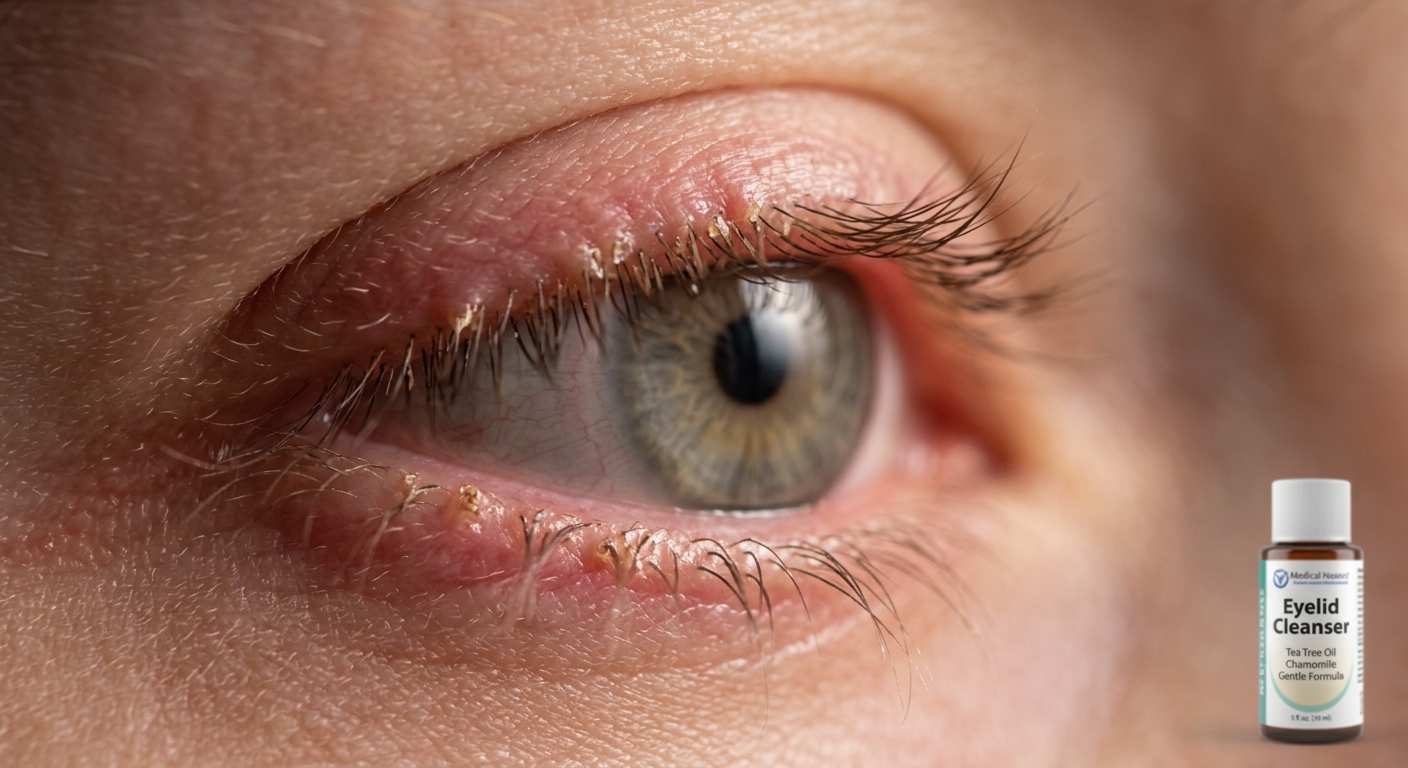
Diagnosing a Demodex infestation typically includes a clinical examination focusing on symptoms like collarettes—cylindrical dandruff-like debris at the eyelash base, which correlates with infestation severity. While traditional methods involved invasive eyelash epilation, newer, non-invasive techniques like slit-lamp examination have become more prominent due to their improved sensitivity and patient comfort. Common symptoms of overpopulation include persistent itching, burning sensations, and potential complications such as anterior blepharitis, which may further impair ocular health.
Causes and Contributing Factors
Overgrowth of Demodex mites can be influenced by several predisposing factors. Skin conditions such as rosacea and dermatitis can alter skin properties, creating a favorable environment for the mites. Additionally, factors such as increased sebum production, poor eyelid hygiene, and aging—which may weaken immune response—are significant contributors to mite proliferation. Furthermore, environmental considerations like humidity levels can exacerbate conditions that favor mite growth, emphasizing the importance of maintaining eyelid hygiene.
Treatment and Prevention
Treatment strategies for managing Demodex infestations vary based on severity. For mild cases, maintaining eyelid hygiene through routine cleaning with warm compresses and non-irritating cleansers such as those containing tea tree oil can provide relief. In more severe cases, medical interventions involving prescription medications, including ivermectin and recently FDA-approved topical agents, may be necessary. Preventive measures emphasize regular cleaning to remove debris and avoiding shared cosmetics to limit transmission risks.
Complications and Research Advances
Eyelash mite infestations can lead to significant ocular complications such as blepharitis and various inflammatory responses. Research highlights the association of Demodex with secondary infections, exacerbating conditions like dry eye and eyelash loss. Ongoing studies are exploring diagnostic advancements that facilitate non-invasive identification and treatment approaches to mitigate the impact of these mites on ocular health, stressing the importance of hygiene and ongoing research to refine treatment methodologies.
The content is provided by Avery Redwood, Scopewires