Highlights
- Light filtering blinds enhance natural light while ensuring privacy and aesthetic appeal.
- Explore energy-efficient and stylish options that prioritize safety and modern design trends.
Overview of Light Filtering Blinds
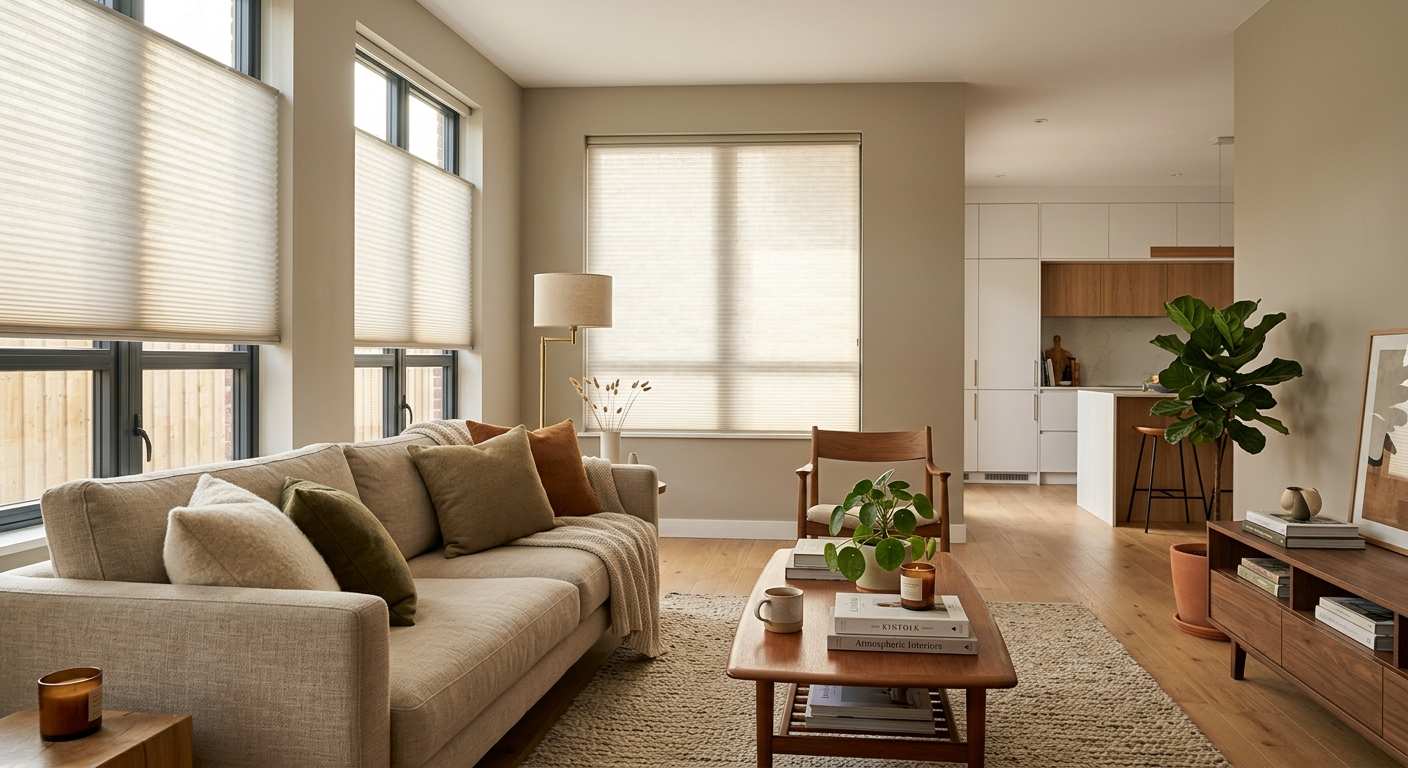
Light filtering blinds effectively diffuse natural sunlight, balancing illumination, privacy, and aesthetics in both residential and commercial spaces. Unlike blackout blinds, they soften incoming light, creating a comfortable ambiance and reducing glare while allowing daylight visibility. Their adaptability makes them suitable for various areas such as living rooms and offices, where moderated light is desired.
These blinds are available in multiple styles and materials, including cellular shades, wood, faux wood, woven wood, roller shades, and Roman shades. Each type offers distinct features like energy efficiency, moisture resistance, and visual appeal, with materials ranging from natural fibers like bamboo to synthetic options such as vinyl. Modern designs often incorporate safety features such as cordless systems and smart motorization.
Regulatory standards significantly impact the production of light filtering blinds, particularly concerning cord safety to prevent strangulation risks. Fire safety regulations also stipulate the use of flame-retardant materials in specific applications to ensure occupant safety. While these blinds offer various benefits, environmental concerns associated with synthetic materials raise questions about sustainability and pollution.
Key Types and Materials
The variety of light filtering blinds allows consumers to select options that match their aesthetic and functional needs. Cellular (honeycomb) shades provide excellent insulation and come in various opacities, maintaining their shape over time. Wood and faux wood blinds offer durability, with faux alternatives providing moisture resistance and affordability.
Woven wood shades enhance a natural ambiance, ideal for spaces where aesthetic appeal is crucial, while roller shades are suited for modern settings, allowing flexible light control. Roman shades blend style and functionality, providing customizable illumination through their fabric folds. Vertical, pleated, and panel blinds introduce additional design variations, suitable for different dimensions and room designs.
Materials used in these blinds influence performance and maintenance. Fabrics like polyester and cotton blends are common for their light-diffusing capabilities, while synthetic materials such as PVC and vinyl provide practical solutions. Although synthetic options are durable and easy to maintain, their environmental impact warrants consideration, particularly due to their production processes and disposal challenges.
Installation, Maintenance, and Safety Standards
Proper installation is vital for the performance and longevity of light filtering blinds, with attention necessary for heavy materials like wood. Safety standards are increasingly stringent, focusing on the elimination of free-hanging cords, especially in households with children. Products must incorporate safety devices, and compliance with regulatory standards varies between regions.
Maintenance requirements depend on the material; vinyl blinds offer ease of cleaning, while fabric options may require gentler care. Compliance with safety standards reinforces the need for durable construction and proper installation techniques. Regulatory changes, particularly in the U.S. and UK, continue to shape the market by emphasizing consumer safety.
Benefits and Environmental Considerations
Light filtering blinds present numerous benefits, including the ability to diffuse sunlight and maintain a well-lit atmosphere without complete darkness, making them adept at providing privacy. They contribute to energy efficiency by moderating indoor temperatures, which can lead to reduced heating and cooling costs.
Additionally, these blinds enhance interior aesthetics, with customizable options catering to diverse décor preferences. However, the environmental impact of synthetic materials used in many blinds remains a critical issue, prompting consumers to evaluate sustainability alongside functionality.
Consumers can opt for energy-efficient options like cellular shades, which provide better insulation, despite potential cleaning challenges and higher upfront costs. The growing focus on environmental sustainability in manufacturing processes may influence future choices and innovations in this segment.
The content is provided by Jordan Fields, Scopewires