Highlights
- Effective transport of medical supplies requires strict adherence to safety and regulatory standards.
- Implementing robust training programs significantly reduces risks and ensures compliance during transport.
“`html
Overview
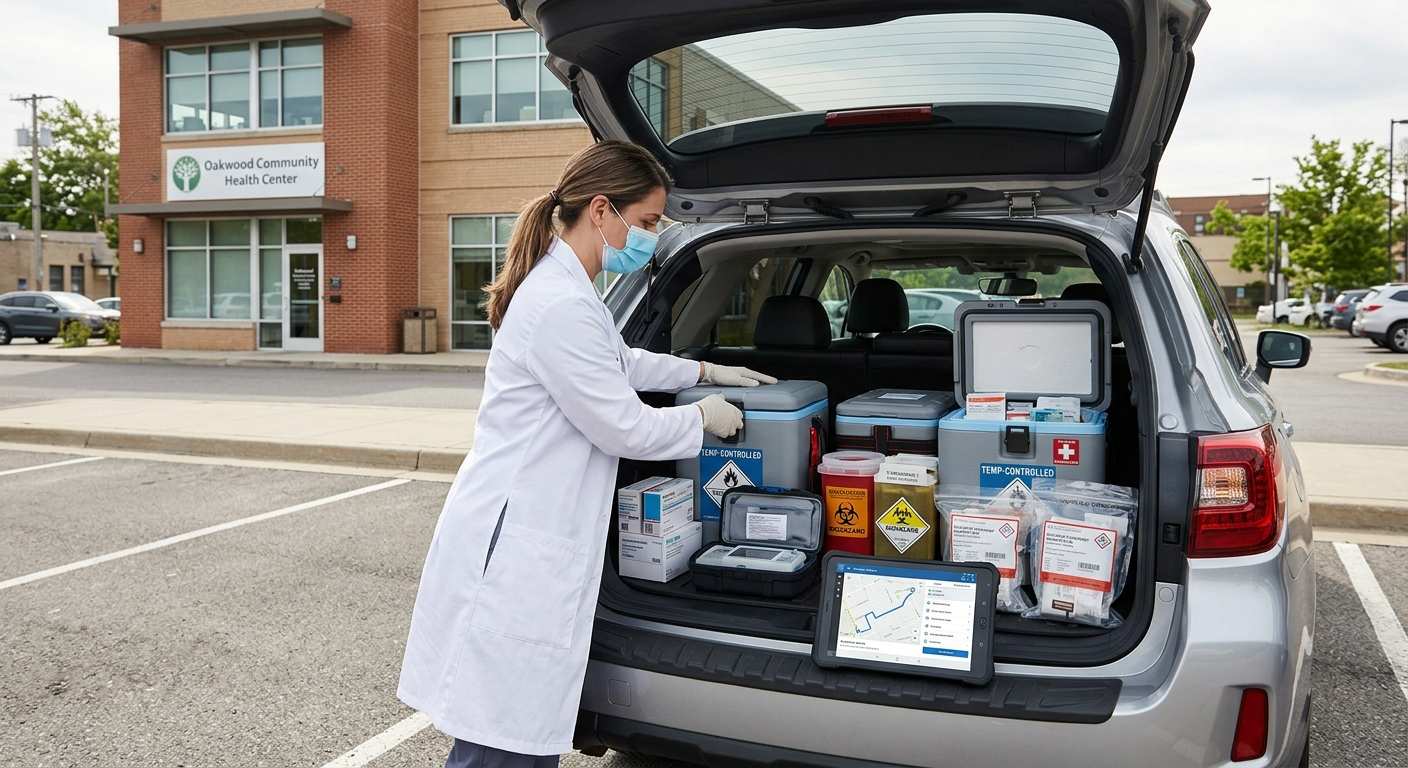
Transporting medical supplies in personal vehicles is a complex process that requires careful attention to logistics, safety, and regulatory compliance to ensure the integrity and timely delivery of essential healthcare materials. This practice is commonly adopted by healthcare providers and emergency responders when specialized transport services are unavailable. Given the sensitive nature of items such as pharmaceuticals, medical devices, and hazardous materials, maintaining product safety is crucial. Adherence to stringent regulations established by the FDA, DOT, and CDC is imperative, covering aspects like packaging, labeling, and handling hazardous materials.
Legal and Regulatory Compliance
Legal and regulatory compliance is foundational when transporting medical supplies. Facilities must ensure that personnel are trained and possess a valid driver’s license and appropriate liability insurance, usually a minimum of 100/300 coverage. Compliance with FDA regulations is necessary to prevent contamination and ensure safety. Additionally, the DOT establishes guidelines for packaging and safe transport of hazardous materials, requiring specific handling and compliance with both national and international standards, such as those from IATA. Regular inspections of supplied items for damage or contamination are necessary to maintain integrity and avoid liabilities.
Vehicle Preparation and Safety Protocols
Preparations for the vehicle are essential to ensure effective transport of medical supplies. Vehicles must be equipped appropriately, including features like lift gates and padded interiors to minimize damage. Training personnel in proper loading techniques and emergency protocols can help mitigate risks associated with damaged equipment or contamination. Furthermore, vehicles should be regularly maintained and sanitized, particularly when handling multiple shipments, to prevent cross-contamination. Establishing protocols for evaluating external transport companies is also recommended to uphold safety standards.
Packaging Strategies for Medical Supplies
Effective packaging is critical to the safety and integrity of medical supplies. These items should be classified based on their sensitivity and specific handling needs, such as temperature control for pharmaceuticals. Packaging materials must protect against environmental factors and physical damage. Compliance with packaging guidelines is vital, especially for hazardous materials, to ensure safe transport. Continuous temperature monitoring throughout transit is paramount, particularly for temperature-sensitive items like vaccines, making appropriate packaging solutions particularly important for maintaining cold chain integrity.
Emergency Preparedness and Risk Management
Implementing comprehensive emergency preparedness and risk management strategies is essential when transporting medical supplies. Potential issues such as vehicle breakdowns or traffic delays must be planned for, along with clear communication protocols for emergency situations. Teams should receive training to manage medical emergencies during transport effectively. Documentation and tracking systems are crucial for maintaining accountability and ensuring compliance. Overall, establishing best practices for transportation, including environment monitoring and proper cargo handling, is vital for the successful delivery of medical supplies.
“`