Highlights
- Medical supply programs deliver essential healthcare supplies to improve patient outcomes globally.
- Embrace innovative solutions to enhance logistics and partnerships in healthcare delivery systems.
“`html
Overview of Medical Supply Programs
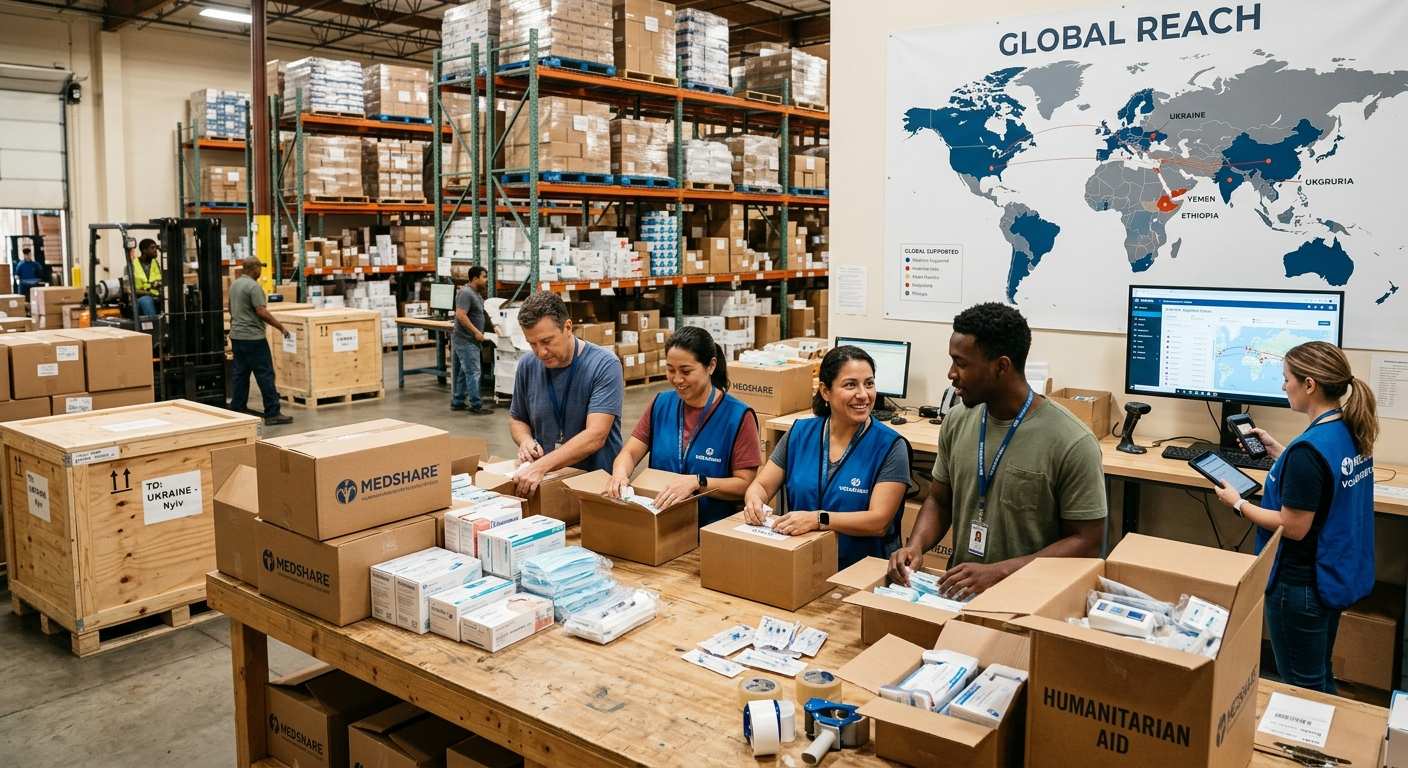
Medical supply programs are essential for converting donated medical supplies into meaningful healthcare interventions, especially in resource-limited and crisis-affected areas. These initiatives facilitate the collection, sorting, quality assurance, and distribution of medical goods to health facilities worldwide. By collaborating with manufacturers, NGOs, and healthcare providers, these programs aim to reduce global disparities in medical resources, ultimately enhancing patient care outcomes. Noteworthy examples, such as Project C.U.R.E., highlight the significant impact of these programs, having delivered millions of dollars in supplies across numerous countries.
Operational Challenges and Strategies
Medical supply programs typically involve a coordinated network of stakeholders, including local hospitals and NGOs, to ensure effective procurement and distribution. Key operational challenges include navigating damaged infrastructure, security risks in conflict zones, and regulatory complexities. These challenges necessitate rigorous needs assessments and procurement strategies to ensure that donations are contextually relevant and safe for use in existing healthcare systems. Programs also rely on advanced technological innovations—like digital tracking and drone deliveries—to enhance supply chain responsiveness and mitigate logistical difficulties.
Funding and Staffing Models
Diverse funding sources are crucial for the sustainability of medical supply programs, with financial support often derived from grants, corporate partnerships, and individual donations. During emergencies, funding requirements may swiftly change, necessitating solid non-profit designations for long-term sustainability. Staffing typically involves both volunteers and trained personnel, with many programs integrating training components to enhance logistical and operational capabilities. Establishing long-term partnerships and communication channels with donors is vital for sustaining the effectiveness of these programs.
Types and Quality of Donated Supplies
Medical supply donations encompass a variety of consumables and equipment, which must adhere to strict quality standards to ensure safety and efficacy. Donated items, such as bandages and syringes, should be new and unexpired, while medical equipment requires proper calibration and user training. It is essential that these donations meet the specific needs of recipient communities and comply with international safety standards to avoid potential risks. Notably, partnerships with reliable suppliers and adherence to quality assurance frameworks play significant roles in maintaining the integrity of donated resources.
Future Directions and Evaluation Practices
To enhance the impact and sustainability of medical supply programs, future research should focus on comprehensive evaluations designed to assess the long-term effectiveness of donations. Multi-site studies and objective assessments are crucial for understanding how these resources influence healthcare delivery over time. Meanwhile, continued innovation in supply chain management and partnerships with local authorities will remain pivotal in overcoming existing challenges and safeguarding the ongoing delivery of vital medical supplies.
“`