Highlights
- Choosing the right gutter material can significantly impact both cost and durability.
- Professional gutter installation minimizes potential damage and maximizes longevity for your investment.
Summary
When contemplating gutter replacement, understanding the costs and options is crucial. The material you choose—like aluminum, vinyl, copper, steel, zinc, or stainless steel—affects your investment, maintenance, and the gutter system’s longevity. Budget-friendly choices like vinyl and aluminum may have lower upfront costs but offer shorter lifespans, while premium materials like copper and zinc provide enhanced durability at a higher price. Additionally, the style of gutters—K-style, half-round, seamless, or sectional—can influence installation complexity and overall costs, with seamless options reducing leak potential but often requiring specialized fabrication. Environmental factors and sustainability considerations also play a role in your selection, making it essential to find the right fit for your specific needs and local conditions.
Common Gutter Materials
Choosing the right gutter material is fundamental for optimal performance and longevity. Aluminum is widely used for its balance of cost and durability, making it an appealing choice for many homeowners. Copper offers high corrosion resistance and a long lifespan, often used in classic designs, while vinyl may suit budget-conscious individuals but tends to wear out faster in extreme weather. Galvanized steel, more robust than aluminum, has maintenance challenges, particularly in humid areas, while stainless steel and zinc materials provide premium options that withstand harsh conditions. Each material’s unique characteristics can directly impact your gutter system’s effectiveness, so consider local climate and performance needs when selecting.
Gutter Styles and Designs
The style of gutter you select can greatly affect its capacity and suitability for your home’s design. K-style gutters, known for their durability and increased water-holding capacity, are popular for modern homes. Half-round gutters provide traditional aesthetics with efficient drainage but may have limitations in capacity compared to K-style. Box gutters are built into the roof structure for larger drainage needs, designed for commercial applications but can be used in residential settings with complex rooflines. Seamless gutters are less prone to leaks, although sectional systems offer a practical, cost-saving option if damage occurs. Understanding how these styles align with your drainage needs and home design is essential in making a confident choice.
Factors Influencing Replacement Cost
Several factors influence the costs associated with gutter replacement. Material selection is a critical component, with more affordable options like aluminum and vinyl available, while premium choices like copper enhance aesthetics but come with higher costs. The size and design complexity of your home also play significant roles in pricing; larger or multi-story homes typically incur more expenses due to increased labor requirements. Labor rates vary widely by region, necessitating considerations of local market conditions, especially in metropolitan areas where costs can rise significantly. Each of these elements must be weighed to create an accurate budget for your gutter replacement project.
Installation Considerations
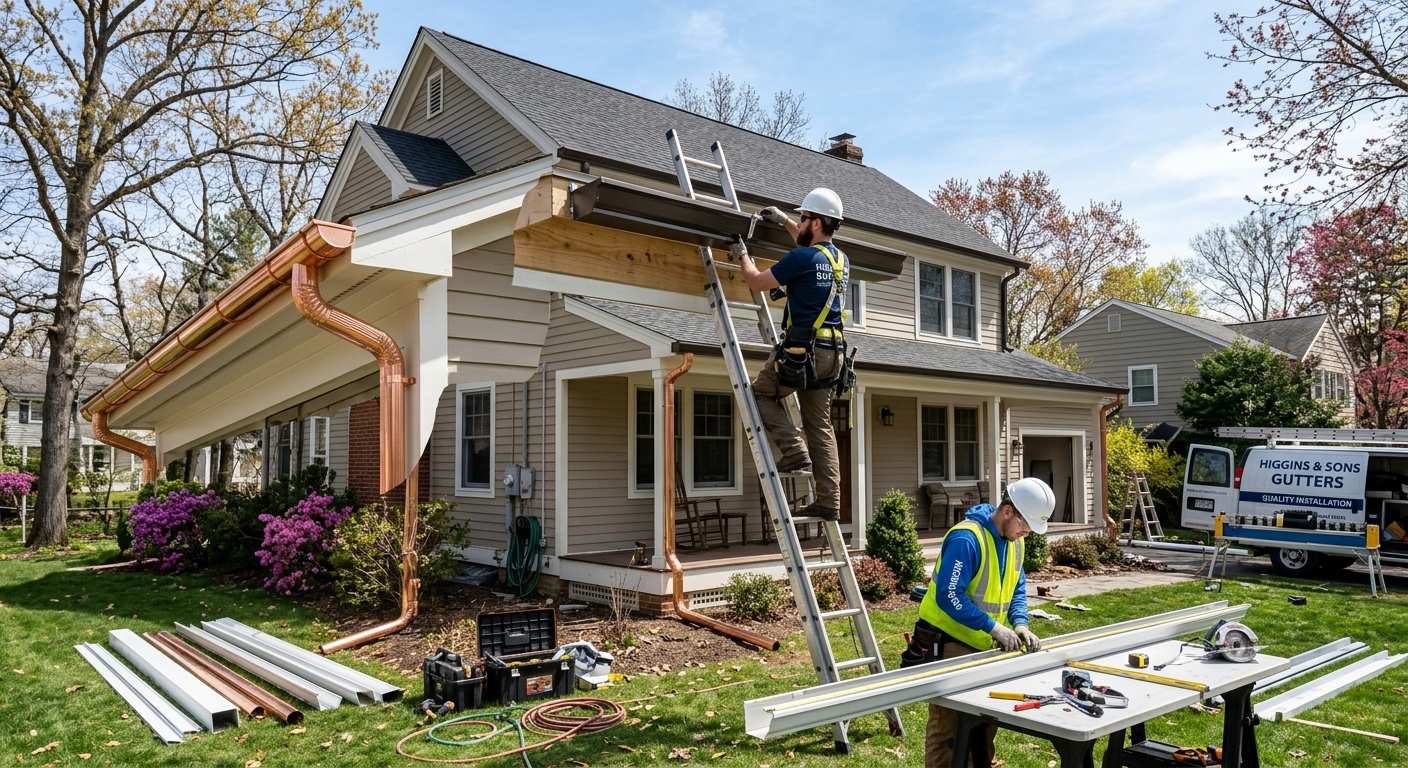
Planning for gutter replacement involves several key factors that can influence installation costs and effectiveness. The pitch of your roof is essential, as steeper roofs may require larger gutters to accommodate increased rainfall. Additionally, localized climate conditions should guide your choice of materials to ensure resilience against heavy storms or extreme temperatures. Professional installation is generally advisable to prevent issues such as leaks or improper drainage, especially with more complex materials like copper and zinc. Costs can vary widely based on regional labor rates and contractor expertise, making it crucial to evaluate installation options suited to your specific requirements.
Maintenance and Longevity
The lifespan of your gutter system depends significantly on both material quality and maintenance practices. Regular cleaning and inspections can prevent minor issues from escalating and extend the longevity of the gutters. Higher-end materials like copper and zinc can last up to a century with proper care, while vinyl typically lasts about 20 years. Climate also plays a crucial role; ensuring that your chosen materials can withstand local weather conditions is vital for maintaining long-term performance. Understanding these factors helps you make informed decisions for sustainable gutter solutions that minimize future repair costs.
Cost Estimates and Budgeting
Accurate budgeting for gutter replacement starts with understanding potential costs, which typically range from $2,000 to $6,000. Price variations are influenced by geographic location, labor rates, and material choice, with most installations charged per linear foot. Homeowners should estimate the linear footage required based on their home’s perimeter and select an appropriate gutter style that fits their budget. Given regional differences in pricing and contractor expertise, obtaining multiple estimates can help ensure a fair assessment of the total project cost.
Environmental and Sustainability Considerations
When choosing gutter materials, assessing their environmental impact is vital. Metal gutters, particularly aluminum and copper, are often more sustainable due to their durability and recyclability. In contrast, while vinyl gutters may offer lower initial costs, their plastic composition poses greater environmental concerns. Selecting the right materials that align with your local climate can support both functionality and sustainability, ultimately leading to longer-lasting solutions that minimize repair and replacement costs. Balancing ecological benefits with performance and aesthetic preferences can guide your decision-making process effectively.