Highlights
- Granny pods provide independent living solutions for seniors while promoting family connections.
- Innovations are making granny pods more adaptable to meet seniors' evolving care needs.
Overview
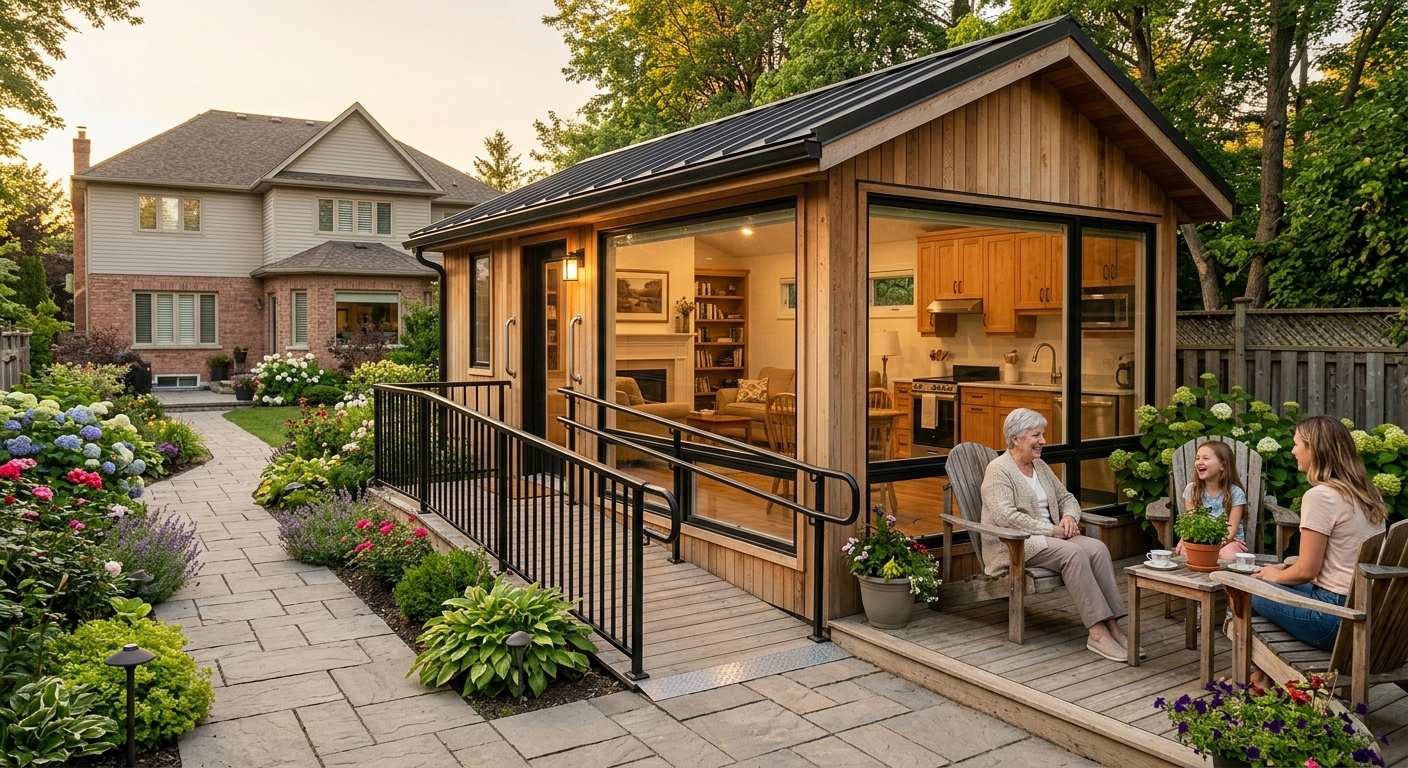
Granny pods, also known as accessory dwelling units (ADUs), offer a practical solution for families seeking to provide safe and independent housing for elderly relatives. These self-contained living spaces typically include essential amenities like bedrooms, bathrooms, kitchens, and living areas, designed to accommodate seniors’ needs with features such as wheelchair accessibility and smart assistive technologies. As the senior population grows and costs for traditional elder care rise, granny pods have gained traction, supported by many municipalities updating zoning codes to allow for their construction. This trend emphasizes the benefits of social connection while offering a cost-effective alternative to assisted living facilities, although the complexities of local regulations can pose challenges for potential builders.
Design Considerations
Granny pods are tailored to ensure accessibility and safety for elderly occupants. Ranging from 250 to 1,200 square feet, they typically include features like wide doorways, ramps, grab bars, and ADA-compliant bathrooms. Modern designs often incorporate smart home technologies for fall detection and medication reminders, enhancing both safety and independence. However, opting for such living spaces also necessitates careful planning regarding legal compliance, zoning regulations, and building codes that can differ significantly between municipalities. Prospective builders are advised to conduct thorough research on local ordinances and consult with experienced builders to navigate these challenges effectively.
Benefits and Challenges
Granny pods provide emotional comfort and practical advantages, allowing families to maintain close connections while supporting independence for seniors. This arrangement often reduces the need for full-time caregiving, which can be financially burdensome compared to traditional care facilities. Initial costs for constructing a granny pod can vary widely, typically ranging from $20,000 to $250,000, depending on several factors, including design complexity and location. Despite the potential for increased property values and eligibility for government grants to offset costs, there are challenges. These include compliance with local zoning laws, privacy concerns, and the ability to accommodate residents with extensive care needs. Families must weigh these factors against the benefits to determine suitability for their specific situations.
Comparison with Alternative Care Options
When comparing granny pods to other elder care solutions, it is important to assess the level of support required by seniors. Options like assisted living facilities provide extensive professional care, catering to individuals who need assistance with daily activities, while granny pods emphasize independence and proximity to family. Home care services offer a flexible approach but may necessitate modifications to existing homes, adding costs and complexities. Nursing homes provide the highest level of care but come with increased financial and emotional costs. Ultimately, the choice between these options hinges on the senior’s health status, care needs, and family dynamics.
Future Trends
Looking ahead, the demand for granny pods is expected to rise as innovations in design and technology enhance their functionality. Trends indicate a growing integration of smart home technologies, making these units not just living spaces but also adaptive environments capable of responding to the diverse needs of aging populations. However, challenges such as navigating local regulations and addressing potential misuse of these units will require ongoing attention. The evolving landscape of elder care may include hybrid solutions, combining the independence of granny pods with the comprehensive support offered by assisted living facilities, ensuring a responsive approach to the needs of seniors.
The content is provided by Avery Redwood, Scopewires