Highlights
- Granny pods offer privacy and independence for seniors while ensuring proximity to caregivers.
- Navigating regulations and costs can enhance the feasibility of granny pods for families.
Overview of Granny Pods
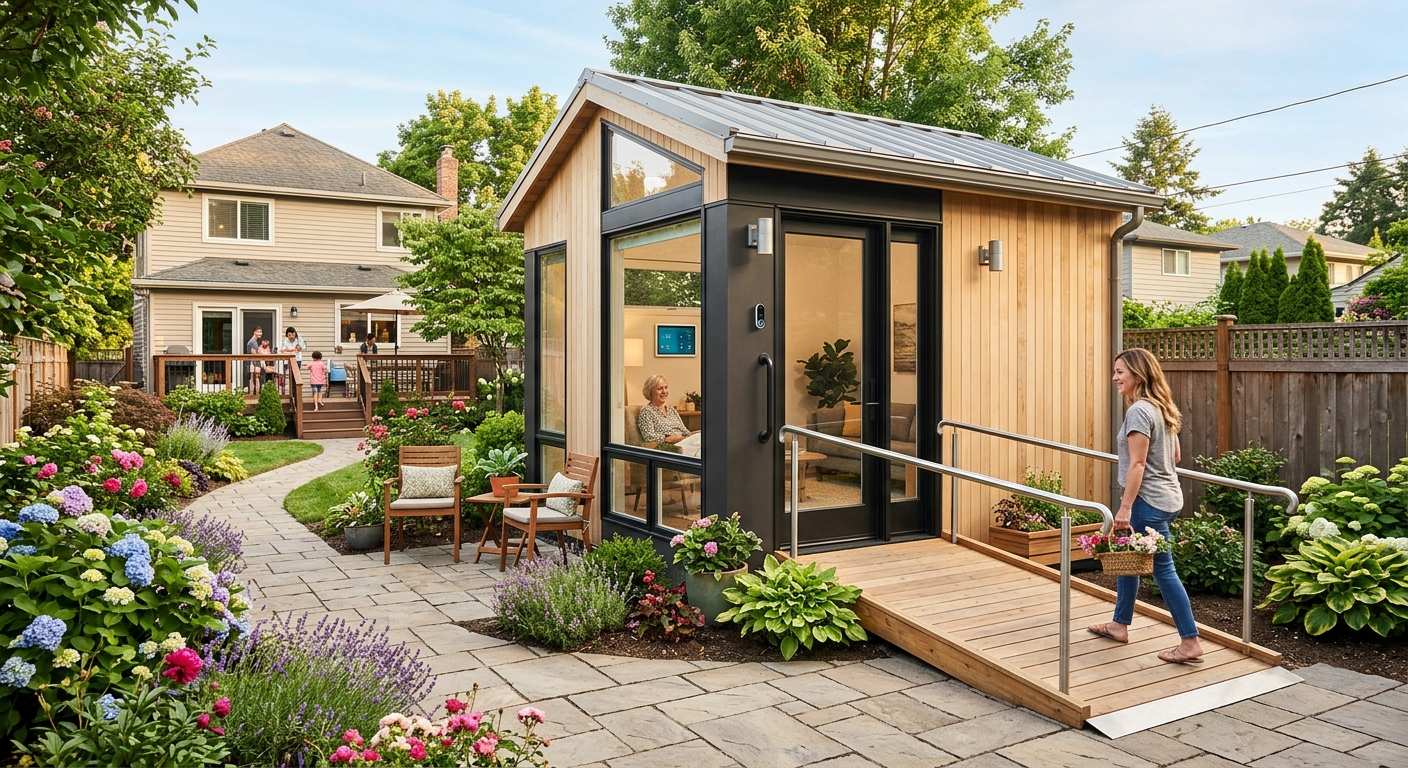
Granny pods, or accessory dwelling units (ADUs), are compact, standalone residential units designed for seniors on family properties. Typically ranging from 250 to 900 square feet, these units allow elderly family members to maintain independence while benefiting from nearby support. The increased popularity of granny pods is linked to aging demographics, with the senior population expected to double in the coming decades, alongside evolving urban zoning laws welcoming such housing solutions. While granny pods offer privacy and autonomy, they differ from assisted living facilities by lacking 24-hour professional care and comprehensive social services.
Comparison of Granny Pod Features and Costs
| Feature/Service | Cost Estimation |
|---|---|
| Basic Construction Costs | $80,000 – $150,000 |
| Size (sq. ft.) | $150 – $300 per sq. ft. |
| Utilities (Electric, Water, Sewage) | $150 – $300 per month |
| Accessibility Features | $5,000 – $15,000 added cost |
| Furnishing and Décor | $5,000 – $20,000 |
| Insurance for Granny Pod | $500 – $1,200 annually |
Prices, rates, and cost estimates in this article reflect the most recent information available but may vary over time. Please conduct independent research before making any financial decisions.
Regulatory Framework and Challenges
The construction and placement of granny pods are governed by a complex regulatory landscape that varies across jurisdictions. Local zoning ordinances dictate where these units can be built, specifying restrictions on size and placement to ensure compatibility with neighborhood characteristics. Compliance with building codes is essential for safety and habitability, and homeowners may also navigate additional requirements from homeowners’ associations. The permitting process can be intricate, and builders are encouraged to consult local authorities to mitigate potential delays.
Design Features and Accessibility
Granny pods are designed with accessibility in mind, featuring wide doorways, ramps, and ADA-compliant bathrooms. Many incorporate smart home technologies like fall detection sensors and medication reminders to enhance safety and support independent living. These units can be custom-built or prefabricated, each option presenting distinct advantages in terms of quality and personalization. Compliance with local design regulations is crucial to securing approval for habitation, ensuring that granny pods align with accessibility and community standards.
Financial Considerations and Benefits
The costs associated with building a granny pod can vary widely, ranging from approximately $20,000 to $250,000, depending on size and features. While initial expenses may appear significant, granny pods can represent a more affordable alternative to assisted living or nursing care expenses, which can exceed $5,000 monthly. Additionally, government programs and grants may offset costs related to constructing granny pods and necessary home modifications. The addition of a granny pod can enhance a property’s value, offering both financial and familial benefits.
Comparative Analysis of Elder Care Options
Granny pods provide a unique eldercare solution by allowing seniors to live independently while remaining close to family. They contrast with options such as assisted living facilities, which offer more structured support and social engagement, catering to residents with complex care needs. Nursing homes provide the highest level of care, suited for individuals needing constant supervision. Selecting between granny pods and other eldercare options requires consideration of the senior’s individual needs, the level of medical care required, and financial implications. As eldercare landscapes evolve, granny pods may play an increasing role in providing flexible, family-centered care solutions.
The content is provided by Sierra Knightley, Scopewires