Highlights
- Donating vehicles to Goodwill funds vital community services like job training and employment assistance.
- Buyers enjoy affordable prices while contributing to initiatives that support veterans and individuals with disabilities.
Summary
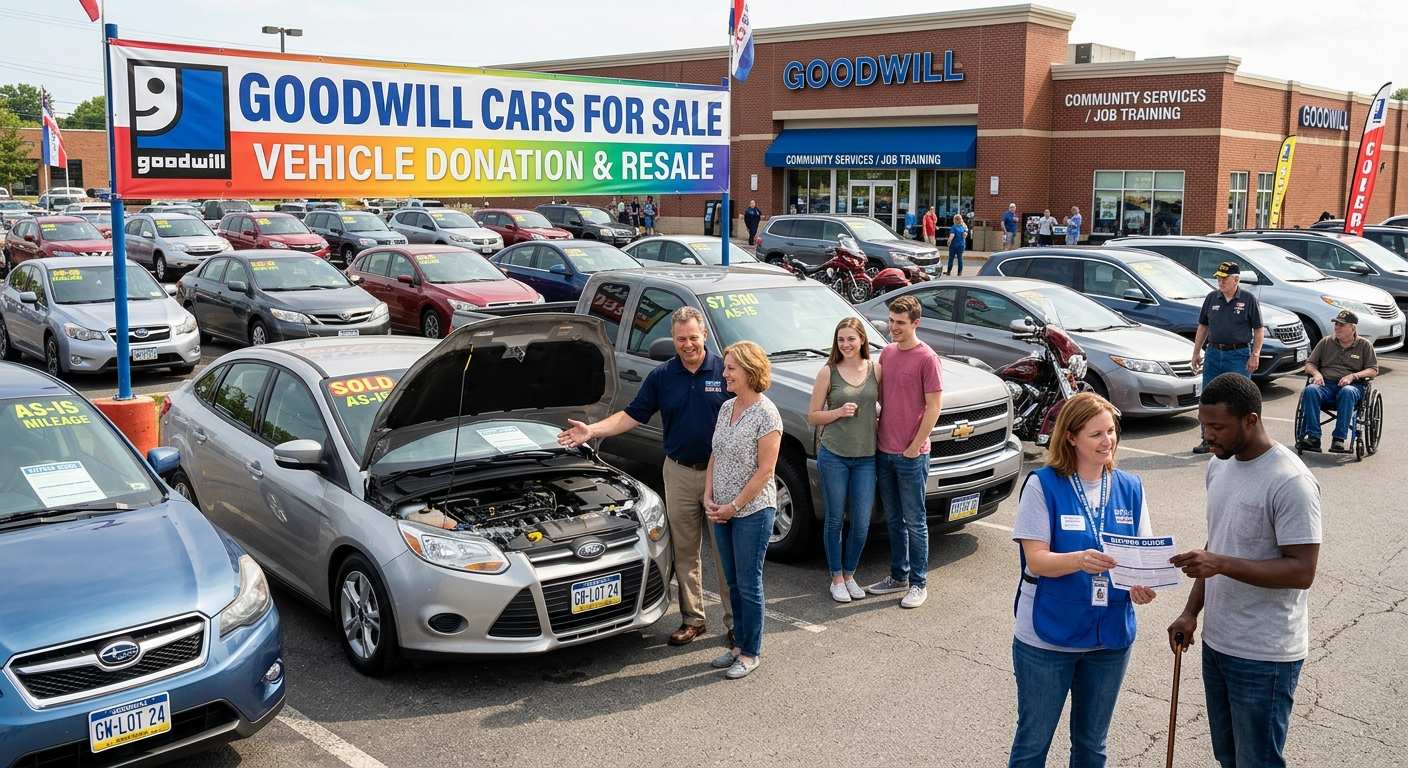
The Goodwill Cars For Sale Guide outlines how Goodwill Industries turns vehicle donations into funding for community services such as job training and employment assistance. Accepting various motorized vehicles—including cars, trucks, and boats—these items are sold “As Is” directly or via online auctions, with profits supporting Goodwill’s mission. Transparency is a core aspect, highlighted by the Buyers Guide, which informs buyers about warranties and their rights, thus aiding in confident purchasing decisions.
Vehicle Donation Process
To donate a vehicle, contact Goodwill armed with the vehicle title, details on any damages, and mileage. Even without the title, donations of various motorized vehicles are accepted based on specific criteria. After pickup, donors receive a receipt, and if the vehicle sells for over $500, Goodwill provides a tax form reflecting sale proceeds, ensuring that donors benefit while supporting community programs.
Vehicle Inspection Recommendations
An independent inspection of “as is” vehicles is advisable to uncover any hidden issues and assess condition accurately. Important factors like engine performance, overall exterior and interior integrity significantly impact value. The Buyers Guide provides insight into any warranties, and obtaining a vehicle history report can further inform your purchasing decision, particularly for vehicles sold through Goodwill.
Vehicle Sales Practices
Goodwill’s vehicle sales not only support local initiatives but also encourage customer confidence by allowing buybacks from unsatisfied buyers. Vehicles are often sold at competitive prices based on real-time market analysis, providing chances for savings while ensuring transparency through practical guides and resources that help buyers navigate typical purchasing processes.
Pricing Strategies
Effective pricing strategies for used cars hinge on various factors, primarily condition and mileage. Organizations like Goodwill assess performance and regional market dynamics to set fair prices that optimize revenue while ensuring vehicles are marketable. Market insights are crucial for competitive pricing, helping both the organization and the donors benefit maximally from the sale.
Buyers’ Information and Disclosures
When buying a vehicle, reviewing the Buyers Guide is essential. This guide details the warranty terms and conditions that come with the vehicle and must be made available before purchase. Additionally, securing a vehicle history report adds an element of caution and allows consumers to evaluate the vehicle’s background, while understanding state-specific legal protections is crucial for making informed decisions.
Consumer Buying Process
Consumers should first consult the Buyers Guide and verify vehicle history via the VIN before finalizing a purchase through Goodwill. Vehicles are available via public or online auctions, enhancing accessibility. Additionally, financing options should be explored, ensuring that all offers are compared for the best terms, particularly for first-time buyers or those with credit challenges.
Benefits of Purchasing from Goodwill
Purchasing a vehicle from Goodwill provides the dual benefit of acquiring a used car while supporting community programs aimed at improving lives. Buyers directly contribute to initiatives that assist veterans and individuals with disabilities. Goodwill’s competitive pricing reflects current market conditions, encouraging smart consumer choices.
Considerations and Drawbacks
Buyers should be aware of potential drawbacks, particularly with manufacturer buyback vehicles, which may have histories of defects. It is vital for buyers to weigh these factors when considering a purchase, ensuring they understand any risks or conditions associated with the vehicle.
Regional Sales Practices
Goodwill’s sales practices differ regionally based on local market conditions and demographic trends. The valuation and selling processes are tailored to effectively maximize revenue while adapting to community needs. These varied approaches can impact the sale experience and vehicle availability based on location.
Purchasing Tips
Carefully reviewing the Buyers Guide, which is prominently displayed, is crucial for any used car buyer. The Guide provides essential information, including warranties and complaints contact details. Resources available through Goodwill also offer helpful tips on vehicle inspection and understanding purchasing complexities, aiding in informed decision-making.
Goodwill Cars For Sale Overview
Goodwill’s vehicle donation program facilitates the sale of donated vehicles, generating funds for community services. Buyers receive a crucial Buyers Guide at the time of sale, which outlines vehicle protections. Compliance with warranty regulations ensures that buyers are well-informed about their rights, adding to the purchasing experience’s overall transparency.
The content is provided by Jordan Fields, Scopewires