Highlights
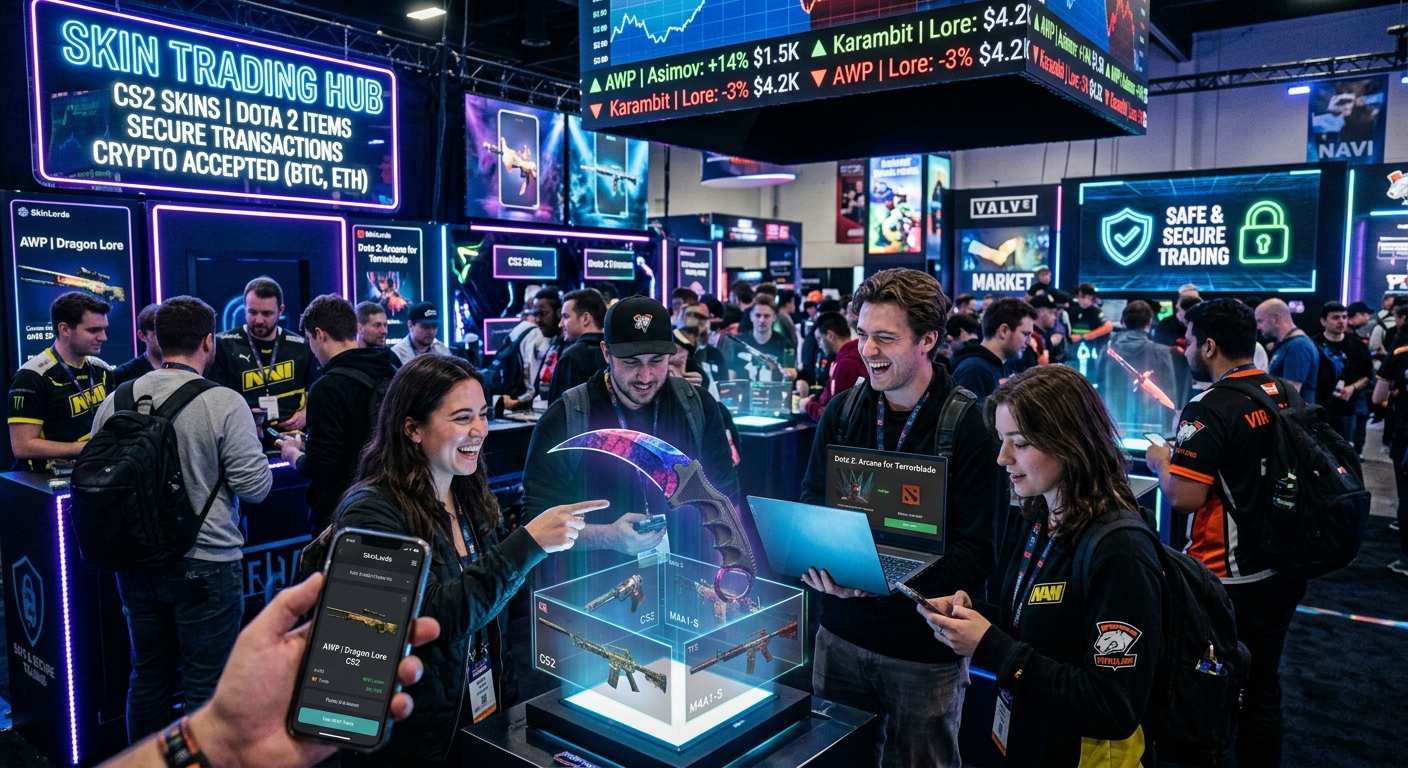
- Skin trading has evolved into a substantial digital economy within popular video games.
- Engaging with secure marketplaces enhances your trading experience and protects against scams.
Introduction to Game Skin Trading
Game skin trading involves the buying, selling, and exchanging of virtual cosmetic items, known as skins, used for customizing characters, weapons, and other elements in various video games. This practice has transformed from a niche player interaction into a significant digital economy within popular titles such as Counter-Strike 2 (CS2), Dota 2, Rust, and Team Fortress 2 (TF2). The growth of skin trading is facilitated by platforms like Steam’s Community Market and numerous third-party marketplaces, which provide diverse trading options and payment methods including cryptocurrencies. However, the rise of this market introduces challenges such as security risks and regulatory scrutiny due to its links with potential gambling practices.
Marketplace Options and Security Considerations
Various platforms and marketplaces have emerged as key venues for skin trading, each differing in inventory size, security features, and fee structures. Noteworthy platforms such as SkinsMonkey, CS.MONEY, and Tradeit offer competitive pricing and extensive inventories, enabling cross-game trading and secure transactions. As the potential for scams exists, security remains a critical concern. Trusted platforms utilize measures such as escrow services and multi-factor authentication to safeguard users. It is advisable for players to adopt security practices such as revising API keys and using tools like TrustShield to prevent phishing attempts.
Types and Valuation of Game Skins
Skins vary in rarity, appearance, and associated value, with attributes like rarity tiers and unique patterns playing crucial roles in their desirability. For instance, in CS2, “Covert” skins are rarer and command higher prices than “Mil-Spec” skins. The ability to express individuality through rare skins can enhance a player’s status within the gaming community, influencing the overall market demand. Additionally, the valuation of skins reflects not only their inherent characteristics but also social factors, such as visibility in competitive scenarios and trends driven by community interest.
Costs and Trading Methods
The fee structures related to skin trading can significantly influence player behavior. The Steam Community Market imposes a combined fee of approximately 15%, which may deter profit-oriented traders. In contrast, third-party platforms often feature much lower fees, enabling more flexible trading strategies and higher net earnings for sellers. Various trading methods also exist, including direct trades, automated bot trading, and marketplace transactions. These methods cater to different user preferences, with security features protecting users from fraudulent activities during trading.
Future Trends and Regulatory Implications
The future of skin trading is expected to witness growth aligned with developments in traditional financial markets. As game developers continue to integrate skin trading into their monetization strategies, security technologies and regulatory compliance will play crucial roles in shaping the market. Increased scrutiny from governments regarding gambling-related aspects necessitates a proactive approach in implementing clear policies that protect consumers. Market dynamics will increasingly favor informed traders with robust knowledge and adaptive strategies, highlighting the importance of valuation methods and comprehensive market analysis.