Highlights
- Game skin trading has evolved into a multi-billion-dollar digital economy with immense growth potential.
- Technological innovations are transforming skins into sophisticated digital assets, enhancing trading opportunities.
“`html
Summary
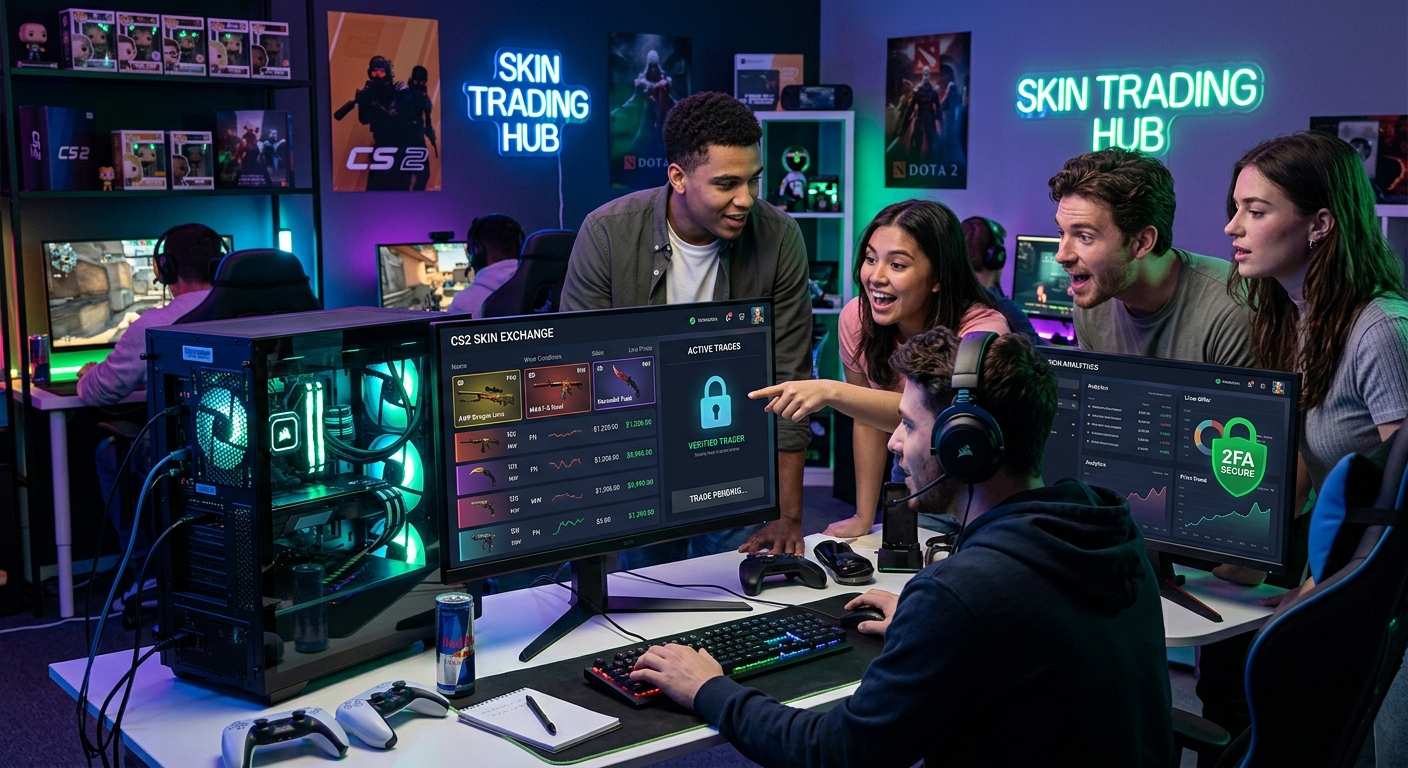
Game skin trading, the buying and selling of virtual cosmetic items known as “skins,” has evolved into a substantial digital economy, particularly in games like Counter-Strike 2 (CS2), with some skins valued in the thousands of dollars. While the market has expanded through various trading platforms and methods, it also faces significant security risks such as scams and regulatory scrutiny, requiring users to adopt strong security measures. Future developments in blockchain technology and cryptocurrencies will further shape the market, presenting both challenges and opportunities for traders.
Market Dynamics of Game Skin Trading
The game skin economy is characterized by its diverse range of skins, varying in rarity, visual appeal, and market demand. Rare skins, like the Dragon Lore AWP, can command substantial prices, highlighting their collectible nature. The market is influenced by rapid trading processes and various platforms, including official marketplaces like the Steam Community Market and third-party sites. Players often act as casual traders or serious investors, utilizing strategies that account for cashout methods and trading fees to maximize financial returns. However, reliance on lesser-known marketplaces can also lead to sub-optimal trading experiences, emphasizing the importance of choosing reliable trading platforms.
Security and Fraud Risks
Skin trading is rife with security challenges; common scams include deceptive websites mimicking legitimate trading platforms and impersonation tactics that trick users into unfavorable trades. To combat these risks, users should employ robust security measures, including utilizing two-factor authentication (2FA) and verifying trading platforms before engaging. Notably, platforms have implemented features such as escrow periods and trade verification codes to enhance security, but users must also remain vigilant and informed about potential scams.
Trading Methods and Platforms
There are various methods for trading skins, with platforms catering to different user preferences. Peer-to-peer (P2P) trading facilitates direct negotiations, typically offering lower fees. In contrast, automated trading bots streamline exchanges, appealing to traders who prioritize speed. Third-party marketplaces often provide features like reduced trading fees and real-time pricing, while the official Steam Community Market offers a secure but costlier alternative for casual transactions. The choice between these platforms involves balancing factors such as user experience, transaction speed, and associated costs.
Future Trends in Game Skin Trading
The landscape of game skin trading is rapidly evolving, particularly under the influence of technological advancements and regulatory pressures. The incorporation of blockchain technology and cryptocurrency is reshaping how skins are viewed as digital assets. This convergence may introduce more sophisticated trading strategies but also necessitates compliance with evolving regulations. Moving forward, the interplay of gaming and finance is set to deepen, paving the way for novel trading opportunities while emphasizing the need for secure, efficient platforms that can adapt to the market’s complexities.
“`
The content is provided by Avery Redwood, Scopewires