Highlights
- Thrifted furniture offers unique, durable options that support sustainable living and community initiatives.
- Understanding potential hazards can ensure valuable purchases while reaping thrift store benefits.
Summary of Furniture Thrift Stores
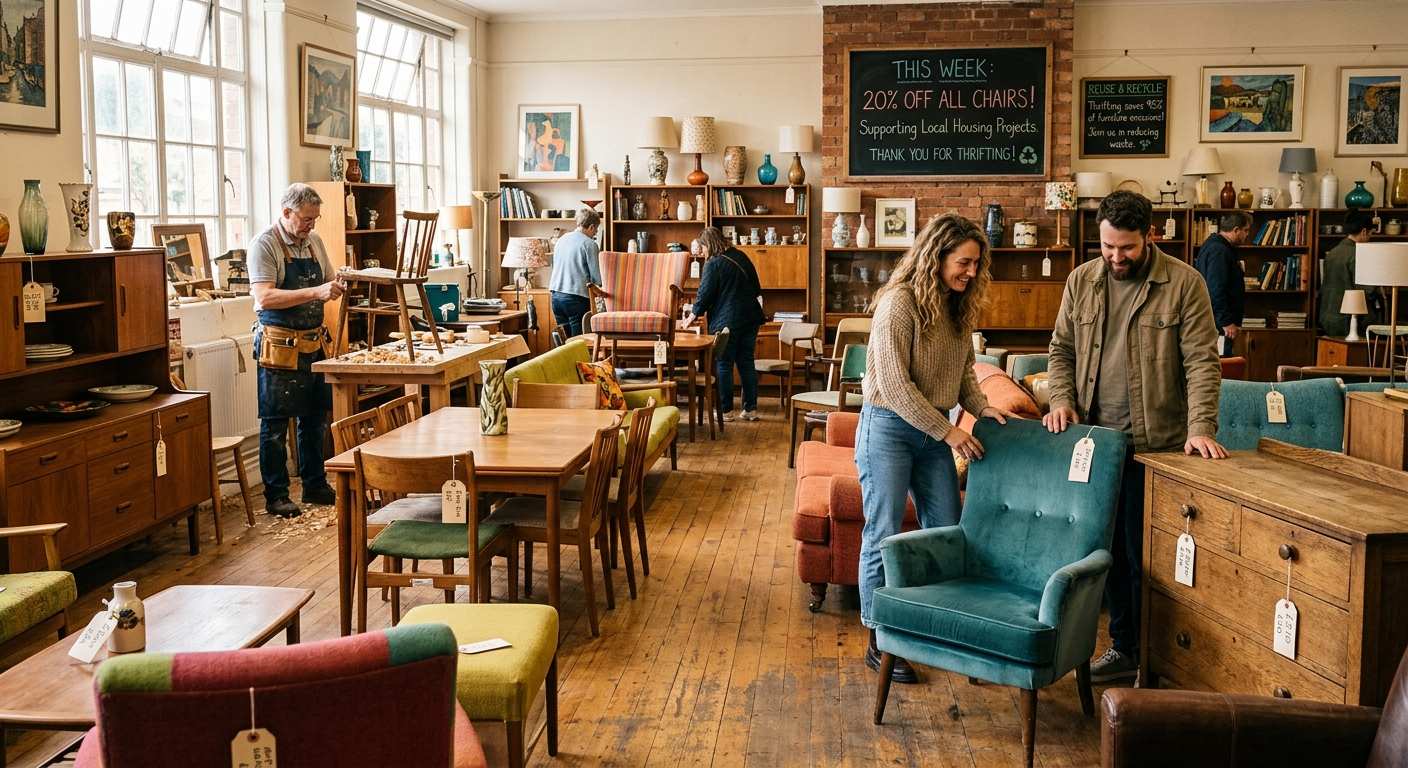
Furniture thrift stores play a significant role in providing budget-friendly, durable, and unique furniture pieces often derived from community donations. They not only cater to consumer interests in sustainable living and personalized decor but also contribute to environmental conservation by extending the life cycle of furniture. The trend toward thrifted furniture is gaining momentum among consumers looking for distinctive aesthetic appeal, while these stores also support local economies and charitable initiatives.
Key Evaluation Factors When Considering Thrifted Furniture
Before purchasing thrifted furniture, several factors influence the decision-making process. Evaluating the quality and construction of items is crucial; vintage pieces often demonstrate better craftsmanship and materials, such as solid wood and traditional joinery techniques. Buyers should note the presence of signs or labels indicating a piece’s manufacturer, as this can affect value and authenticity.
Moreover, assessing the condition of furniture before purchase is vital. While minor wear can add character, buyer vigilance regarding structural issues or the presence of mold or pests is necessary to avoid costly restorations. Health risks associated with older furniture, including harmful chemicals and allergens, must also be considered, as older items may not meet contemporary safety standards.
Environmental and Social Impact
Purchasing from thrift stores yields significant environmental and social benefits. By buying secondhand, consumers help reduce landfill waste and lower the demand for new manufacturing, aligning their choices with circular economy principles. Additionally, thrift stores create local jobs and fund community programs, reinforcing their role in supporting economic development. These advantages illustrate the broader implications of thrifted furniture consumption beyond individual financial savings.
Operational Considerations of Charity Thrift Stores
Charity thrift stores operate through various models of sourcing and sales while prioritizing community engagement. Donations mainly fuel inventory, complemented by consignment and auctions, all of which help maintain affordability while upholding charitable missions. Stores that adapt to modern systems, such as automated intake processes, can enhance inventory management and provide a curated shopping experience. Effective financial practices enable these establishments to sustain operations while delivering social benefits.
Health and Safety Insights
Health and safety considerations are paramount for consumers purchasing thrifted furniture. Risks may include exposure to harmful contaminants and pests that could affect indoor air quality and overall health. Proper due diligence in inspecting items for pests and structural integrity is essential, particularly for products intended for children, such as cribs and play furniture, which must comply with current safety standards. Caution during selection can mitigate many potential health risks.