Highlights
- Timely foundation repair protects property value and ensures structural safety for homeowners.
- Professional assessments can identify issues early, preventing costly repairs down the line.
Summary of Foundation Repair Services
Foundation repair services address critical damages caused by soil movement, water infiltration, and construction inadequacies. Homeowners, builders, and engineers prioritize these repairs due to the potential safety hazards and financial implications associated with structural integrity issues. Understanding the causes and nature of foundation damage is essential for effective solutions that ensure the longevity of structures.
Common Causes of Foundation Damage
Key factors contributing to foundation damage include poor drainage, soil conditions, and construction flaws. Improper drainage systems can lead to water accumulation, exerting pressure on foundations and causing shifting or cracking. Additionally, expansive clay soils create fluctuating pressures due to moisture changes, which may lead to settlement issues unless managed effectively.
Construction practices can introduce vulnerabilities, such as incorrect placement of drain pipes, leading to stress and eventual cracks. Roots from nearby trees and inadequate soil compaction also impact foundation stability. Early identification and remediation of these factors are vital to prevent severe damage.
Signs That Indicate Foundation Problems
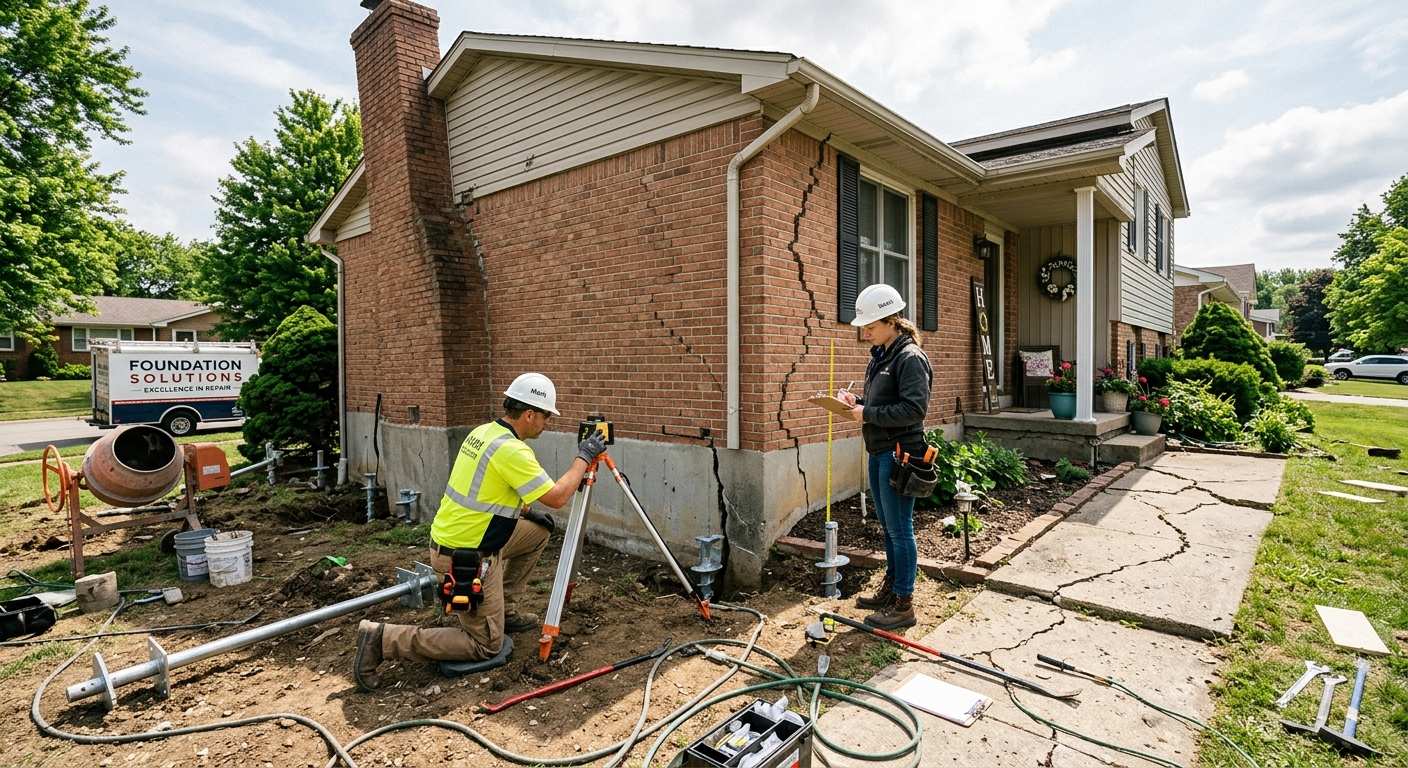
Detecting foundation issues early can prevent costly repairs and address safety concerns. Common signs include cracks in walls, gaps around doors and windows, and uneven floors that signal foundation movement. Notable indicators such as leaning chimneys or moisture in basements further confirm underlying problems.
Visible structural signs, particularly gaps around openings, are often the first warnings of foundation issues. Cracks wider than 1/8 inch, especially in stair-step patterns, may indicate serious movements needing urgent professional assessments. Additionally, moisture-related symptoms like dampness alongside structural shifts warrant immediate attention to avoid health issues linked to mold.
Types of Foundation Repair Services
Choosing the right method relies on the damage’s nature, soil conditions, and structural design. Typical repair options include underpinning, helical piers, concrete piers, soil stabilization, and waterproofing, each with unique benefits and cost considerations.
Underpinning
This technique involves deepening the foundation or adding support to enhance stability. Various methods exist, such as mass concrete underpinning and mini-piled underpinning, suited to specific site conditions. A professional assessment is essential to ensure proper execution based on individual structural needs.
Helical Piers
Helical piers offer a non-invasive solution for stabilizing foundations, particularly in areas with problematic soils. They can be quickly installed, providing long-term support without extensive excavation, though costs may vary based on installation specifics.
Concrete Piers and Crack Repair
Concrete piers involve digging and pouring concrete to secure foundations, traditionally used during initial construction. For existing cracks, options like hydraulic cement and epoxy injections effectively restore integrity and prevent water damage. Each method requires careful evaluation to ensure compatibility with the foundation type.
Soil Stabilization and Waterproofing
Soil stabilization techniques enhance load-bearing capacities and are crucial in preventing further foundation damage. Meanwhile, waterproofing measures protect foundations from moisture intrusion, complementing structural repairs to maintain durability.
Materials and Equipment Used in Foundation Repair
A variety of materials, including high-quality concrete and galvanized steel piers, are used in foundation repair, impacting durability and effectiveness. Polyurethane foam is often employed for quick repairs due to its lightweight and fast-curing properties, though sustainability considerations are increasingly influencing material choices.
Equipment Used in Foundation Repair
Project efficiency is enhanced with specialized equipment such as drilling devices for material injections and hydraulic machinery for pier installations. The selection of appropriate tools ensures precise execution tailored to site conditions and repair methods.
Determining Appropriate Foundation Repair Methods
Choosing the right repair method depends on various factors including soil type, damage severity, and structural design. Professional evaluations utilizing advanced tools aid in distinguishing between minor issues and those requiring immediate intervention. Various methods, from slabjacking to underpinning, each carry unique benefits that must be weighed against costs and potential future repairs.
Preventive Measures and Maintenance
Regular inspections, focusing on soil type and moisture management, play a critical role in foundation preservation. Homeowners should engage professionals periodically to assess and address potential problems early. Proper drainage techniques, alongside vigilant monitoring for signs of distress, are key strategies to mitigate risks and maintain structural integrity.
The content is provided by Harper Eastwood, Scopewires