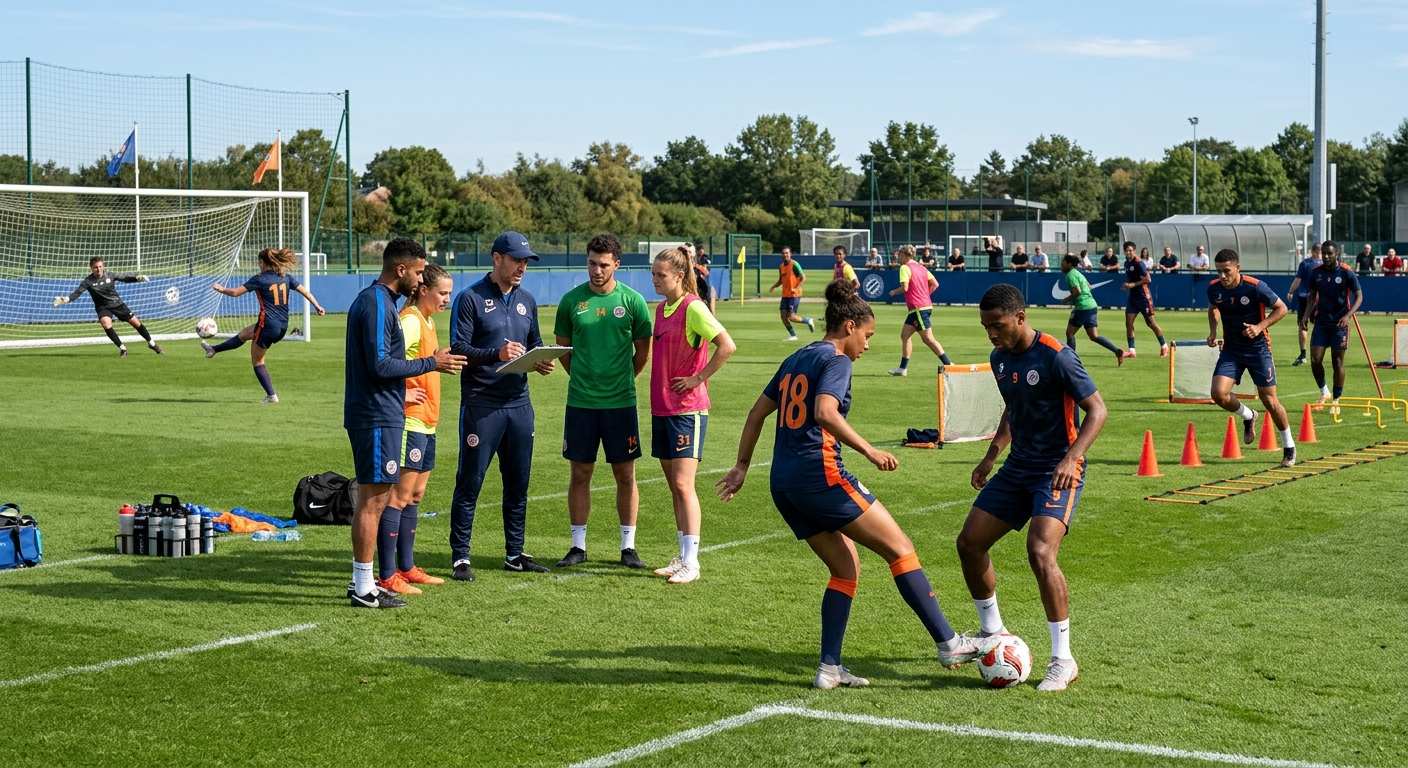
Highlights
- Effective football practice balances skills, tactics, fitness, and mental training for optimal performance.
- Integrating technology and specialized equipment enhances player development and ensures athlete safety.
Summary
Football practice focuses on enhancing players’ technical skills, tactical understanding, physical fitness, and mental resilience. Sessions are meticulously structured to address these areas through skill drills, tactical exercises, and competitive simulations, aimed at improving individual and team performance. Coaches personalize practice plans to incorporate progressive challenges that replicate game scenarios, encouraging long-term skill development while ensuring players are mentally prepared for competitive situations.
Types of Football Practice
Football training encompasses various drills designed to develop specific skills and physical conditioning tailored to players’ needs. Combining different practice types fosters an engaging environment that promotes comprehensive development.
Skill-Based Practice
Skill drills concentrate on fundamental techniques such as passing, shooting, and goalkeeping. By focusing on technical execution, these practices help players improve their positional awareness and individual techniques necessary for offensive and defensive plays. Coaches often adjust the difficulty of drills to challenge players’ weaknesses while ensuring long-term skill growth.
Tactical Practice
Tactical training sharpens decision-making under pressure through small-sided games and positional drills that mirror real-match scenarios. These sessions enhance players’ understanding of team strategies and improve their ability to work collaboratively, which is critical in football.
Fitness Practice
Physical conditioning exercises focus on boosting players’ speed, agility, and endurance through specific runs and drills designed to enhance performance during matches. Integrating strength and agility training complements skill-based drills, enabling players to respond effectively and maintain high performance levels during games.
Mental Practice
Mental training techniques, including visualization, are essential for improving concentration and fostering tactical awareness. Visualization exercises allow players to rehearse specific game situations mentally, enhancing performance and supporting injury recovery by activating the same neural pathways used in physical practice.
Game-Like Practice
Competitive drills simulate the pressures of real match play, enabling players to develop resilience and decision-making abilities under stress. These sessions include varied scenarios that compel athletes to apply skills and strategies in realistic settings, thereby enhancing their on-field performance.
Practice Session Structure and Progression
To maximize player engagement and development, football practice sessions require structured planning regarding duration, group size, and equipment. Clear transitions between drills help maintain flow, and incorporating varied training types keeps players motivated and allows for strategic skill development. This structure should integrate high-intensity workouts with recovery phases, facilitating optimal performance while minimizing injury risks.
Scheduling and Periodisation
Effective scheduling and periodisation are key to improving players’ performance and reducing injury risks. Coaches must organize training sessions around cycles of varying intensity, allowing for structured recovery phases. Proper session design considers training objectives and logistical factors, enabling seamless transitions between drills while maximizing the effectiveness of each practice.
Equipment and Facilities
Practice relies on specialized equipment and facilities that enhance skill development and player safety. Essential tools include footballs, goals, and agility equipment, while advanced technology aids in performance analysis and cognitive training. Modern facilities now integrate recovery options to support athletes’ overall health and enhance their focus during training.
Integration of Cognitive and Mental Training
Integrating cognitive training with physical drills is vital for developing effective decision-making skills in players. Techniques like visualization and deliberate practice help improve players’ concentration and resilience, allowing them to respond efficiently during matches. Coaches use various methods to strengthen these cognitive and mental skills, ensuring players can perform at their best.
Challenges in Practice Planning
Coaches face several challenges when planning effective football sessions. Selecting appropriate drills, maintaining player motivation, and ensuring balanced development across various skill sets are crucial considerations. A thoughtful approach, informed by player needs and the principles of periodisation, can help overcome these challenges and enhance the overall quality of training sessions.