Highlights
- Portable swimming pools offer a flexible solution for modern urban lifestyles.
- Innovative safety features and eco-friendly designs enhance user experience and accessibility.
Portable Swimming Pools in 2026: Key Considerations
Exploring Portable Swimming Pool Options in 2026 highlights the evolving landscape of this growing market. Driven by urbanization and modern lifestyle preferences, portable swimming pools are increasingly preferred over traditional installations due to their versatility and ease of use. Manufacturers are now offering a wide range of options, from affordable inflatable models for casual enjoyment to advanced modular systems suitable for competitive swimming. While these innovations reflect convenience and consumer demand, challenges such as safety compliance and maintenance variability must also be considered.
Types of Portable Swimming Pools
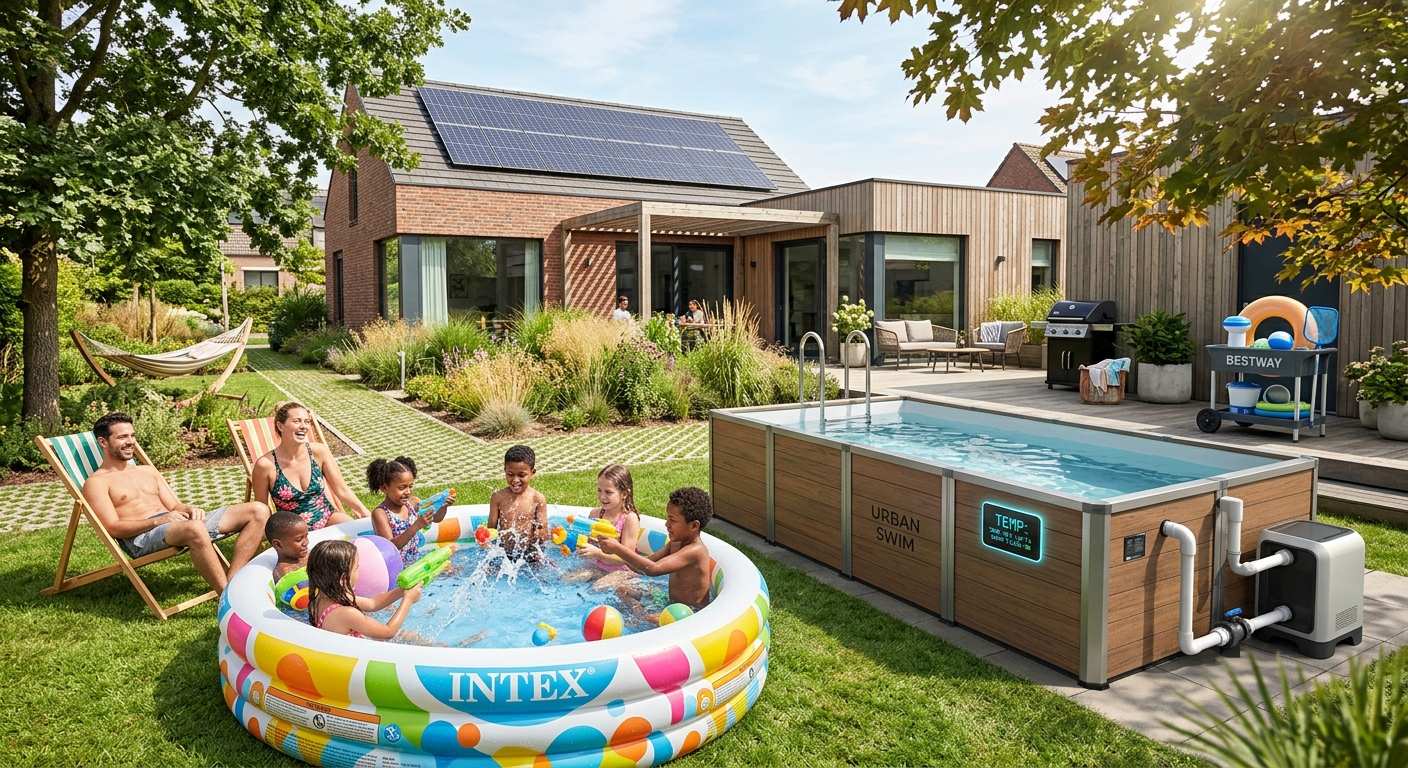
Portable swimming pools can broadly be categorized into three main types, each with distinct benefits and drawbacks: inflatable pools, consumer-grade above-ground pools, and professional modular panel systems. Factors such as intended use, space availability, and budget significantly influence the selection of a specific type.
Inflatable pools are lightweight, easy to transport, and require minimal setup, making them popular for temporary use, especially among families with young children. However, these pools often lack the structural integrity and advanced features of more durable options, raising safety concerns during prolonged use.
Consumer above-ground pools incorporate more robust materials and designs, which enhance durability and stability. These pools typically feature solid frames made from metal, offering both functionality and ease of maintenance. They strike a balance between casual use and family recreation, although they can entail higher upfront costs compared to inflatable models.
Professional modular panel systems represent the upper end of the market, designed for institutional or competitive scenarios. These pools are built with stringent safety and performance standards in mind, ensuring high-quality use, albeit at significantly higher price points and longer installation times.
Safety, Compliance, and Maintenance
Safety remains a top priority in selecting and maintaining portable swimming pools. New regulations such as ASTM F1346-23 require adherence to safety standards, requiring features such as anti-slip ladder treads and secure enclosures. These guidelines are designed to reduce incidents and boost consumer confidence, indicating that proper documentation and compliance verification from installation to operation are now critical.
Maintenance considerations also vary significantly among pool types. Inflatable pools necessitate regular upkeep to ensure longevity and hygiene, whereas above-ground models often incorporate advanced filtration and water treatment systems, minimizing manual cleaning. Professional-grade options require stringent adherence to maintenance protocols, involving regular inspections and updates to meet regulatory standards.
Emerging Trends and Features
Innovative trends in pool design and functionality are increasingly shaping consumer choices. Key features to watch for include energy-efficient pumps, automated filtration systems, and eco-friendly materials, which not only align with sustainability goals but also enhance user experience. Many manufacturers are integrating smart technologies, such as temperature controls and water quality sensors, addressing growing consumer preferences for connected leisure environments.
Additionally, the market continues to evolve in response to environmental concerns, with many pools incorporating recyclable materials and designs aimed at reducing water waste. This trend toward sustainability is becoming a critical consideration for consumers looking to balance leisure with responsible consumption.
Market Dynamics and Consumer Insights
The portable swimming pool market is characterized by a diverse range of offerings from prominent brands, catering to varying budgets and needs. Key players such as Intex and Bestway are recognized for their balance of affordability and quality, while brands like Latham Group cater to more premium segments with innovative designs and materials.
As demand continues to grow, understanding pricing dynamics is important for consumers. The mid-priced segment dominates, but there is a significant push toward premium products featuring advanced safety certifications and materials. Prospective buyers should carefully consider both initial costs and long-term value, including maintenance and utility expenses, when evaluating options.
Conclusion
The future of portable swimming pools in 2026 is marked by a focus on innovation, safety, and sustainability. Consumers are encouraged to evaluate their options based on key factors such as safety compliance, maintenance needs, and technological features while also considering market trends and their specific usage requirements. This comprehensive approach will ensure long-term satisfaction and responsible usage of portable swimming pools.