Highlights
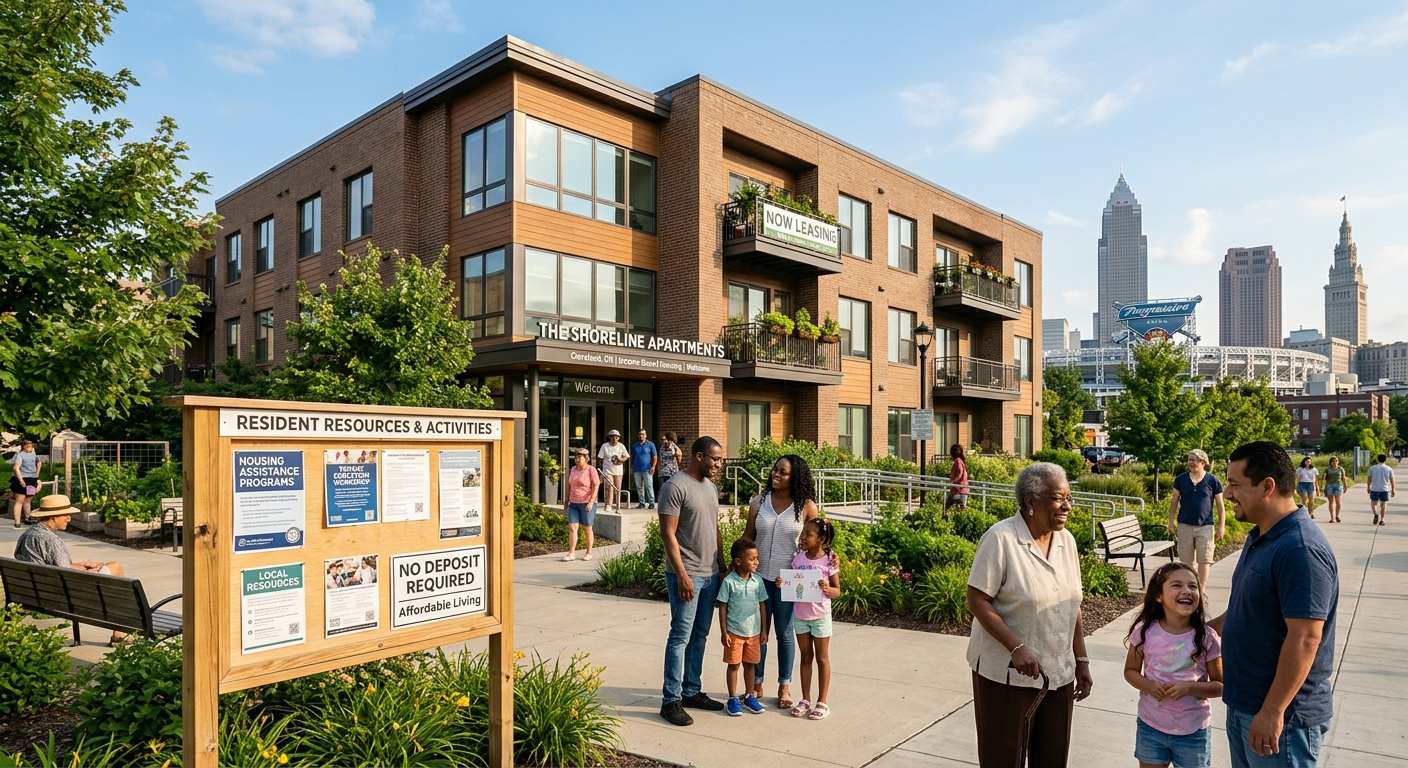
- Cleveland offers over 20,000 income-based apartments with no deposit requirements to enhance affordability.
- Local initiatives and federal funding fuel the growth of accessible housing options for low-income residents.
Overview of Income-Based Apartments in Cleveland
Income-based apartments in Cleveland, Ohio, serve as affordable housing options for low- to moderate-income residents, with tenants generally paying no more than 30% of their income towards rent and utilities. As of 2026, the city accommodates over 20,000 income-based units, including specialized options for seniors and families. Eligibility requires meeting income thresholds based on the poverty level, with families earning up to approximately $58,000 for a two-person household qualifying for assistance. Although many income-based apartments require security deposits, certain initiatives offer no-deposit options to enhance accessibility.
Financial Assistance and Support Programs
Cleveland’s affordable housing framework is bolstered by various funding sources and supportive services, including federal programs like the Housing Choice Voucher (Section 8) and Community Development Block Grant (CDBG). These programs help enhance housing stability for low-income residents by promoting access to additional resources such as tenant education, legal mediation, and emergency housing assistance. To facilitate housing access, the city also supports initiatives providing rental assistance, which not only reduces upfront costs but also strengthens tenant advocacy through local nonprofit organizations.
Cleveland’s Housing Market and Regulatory Environment
The 2026 Cleveland housing market showcases a substantial array of affordable housing units, comprising 309 complexes and over 20,000 income-based apartments, enhancing options for renters. Cleveland does not impose rent control but enforces rapid eviction procedures, which can create pressure for tenants to maintain timely payments. Additionally, recent reforms in security deposit regulations are aimed at increasing tenant protections. Despite the absence of statewide rent caps, continued investment in affordable housing through HUD funding and local initiatives supports Cleveland’s commitment to enhancing housing accessibility.
Comparative Advantages and Challenges
Cleveland’s affordable housing landscape stands out for its proactive development of income-based apartments, particularly with flexible deposit requirements. Local government initiatives, including support for new developers, are designed to facilitate the creation of diverse housing options. However, compared to larger metropolitan areas, the availability of no-deposit options may vary, reflecting differences in market dynamics and demand. Consequently, while Cleveland’s system fosters accessibility, potential renters should be mindful of market nuances that can influence their housing search.
Future Prospects for Affordable Housing
Looking ahead, Cleveland aims to enhance its affordable housing stock through strategic initiatives outlined in the forthcoming 2026-2030 HUD Consolidated Plan. The city emphasizes leveraging federal resources to expand housing options for residents earning at or below 60% of the Area Median Income (AMI), positioning itself to accommodate evolving housing demands. Efforts include supporting developers and maintaining a diversified portfolio of income-based units, which may further improve access for low-income residents. As online platforms increasingly list affordable rental options, including those waiving security deposits, the outlook for the affordable housing market in Cleveland appears optimistic.
The content is provided by Blake Sterling, Scopewires