Highlights
- Discover the diverse opportunities in airplane cleaning and enhance your career potential.
- Essential training in safety and hygiene maximizes both personal growth and workplace success.
Summary
Exploring Airplane Cleaning Careers: A Helpful Guide outlines the essential roles and responsibilities of aircraft cleaners in maintaining cleanliness, hygiene, and safety in commercial aviation. The profession is critical for supporting airline operations and enhancing passenger comfort, particularly during time-sensitive aircraft turnarounds. Skills such as physical stamina and attention to detail are necessary, along with proper training in safety protocols, including the use of personal protective equipment (PPE). Understanding the potential hazards associated with the job, such as physical strain and chemical exposure, is crucial for ensuring workplace safety and effective cleaning operations.
Overview of Roles and Responsibilities
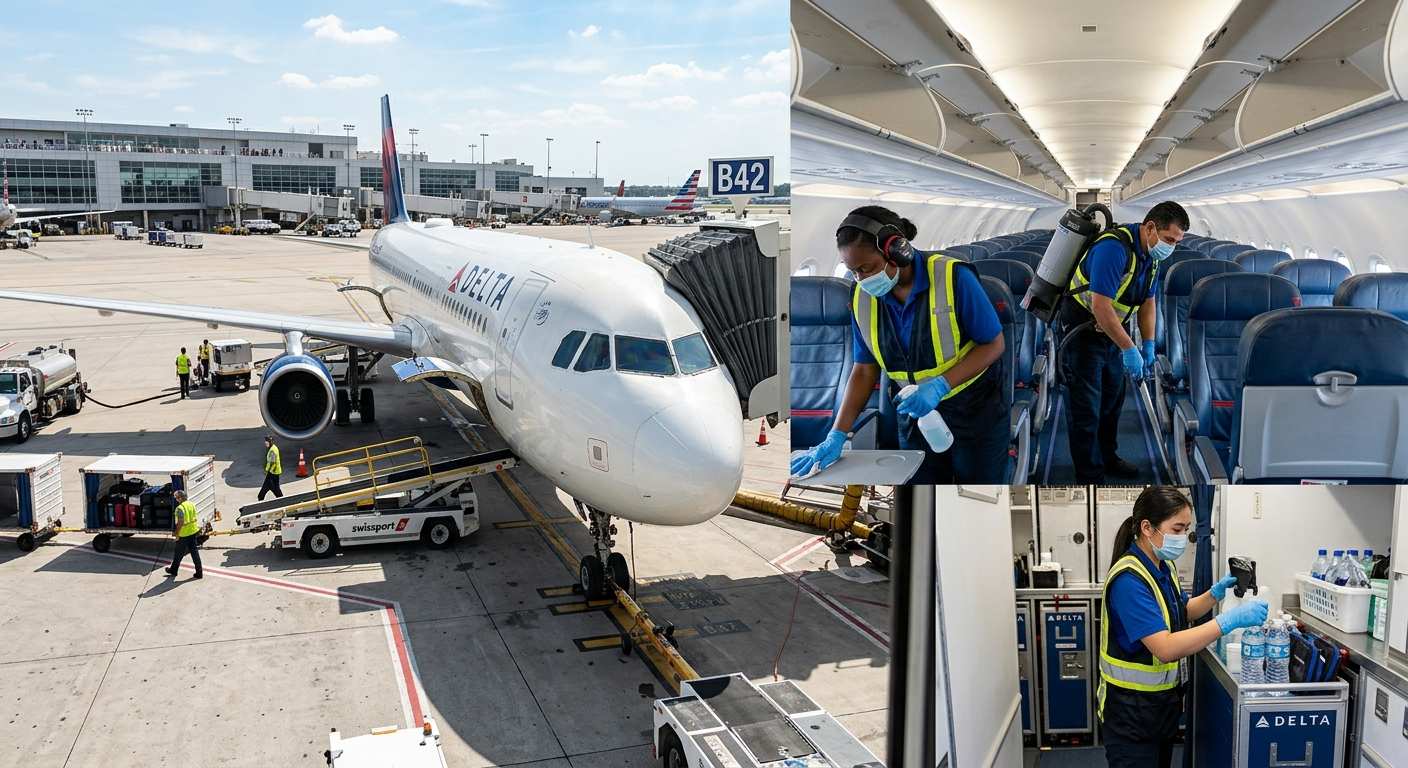
Aircraft cleaning encompasses various specialized roles that focus on both interior and exterior cleanliness. Interior cleaning duties involve removing trash, sanitizing seats, lavatories, and common areas, while exterior cleaning supports aircraft maintenance by removing contaminants. Support roles extend to assisting ground personnel, ensuring coordination among teams to meet quick turnaround times essential for operational efficiency. Everyone in this field must follow standardized cleaning procedures that consider safety, effectiveness, and industry regulations, enhancing both passenger safety and satisfaction.
Required Skills and Training
To thrive in aircraft cleaning, individuals must possess strong attention to detail, physical stamina, and the ability to follow safety protocols. Prospective cleaners typically undergo background checks and intensive training focused on cleaning practices, compliance with health safety regulations, and effective communication with other ground operations staff. Most positions require ongoing professional development, with certifications in hazardous materials handling and infection control being crucial for career advancement. As employees gain experience, pathways to supervisory or specialized roles become available, enhancing their career prospects within the aviation sector.
Challenges and Safety Considerations
Airplane cleaning presents several challenges, including physical demands and exposure to hazardous materials such as strong cleaning agents. Staff must be adept at handling equipment safely while managing the risk of injury from repetitive tasks. Moreover, compliance with health and safety laws, including the use of PPE, is critical to mitigate dangers associated with chemical exposure and biological hazards. Effective training and adherence to safety protocols are necessary not only for cleaner safety but also for maintaining the aircraft’s integrity and hygiene standards.
Career Advancement and Opportunities
Entry into aircraft cleaning careers can lead to various pathways, including supervisory roles and specialized cleaning functions. Motivated individuals may quickly progress to lead cleaner or shift supervisor positions, where they manage teams and ensure compliance with cleaning standards. Further opportunities exist in related roles such as cabin service attendants or maintenance technicians requiring additional training and certifications. As the aviation industry continues to grow, career prospects remain strong, though challenges like skilled labor shortages may impact the availability of qualified personnel.