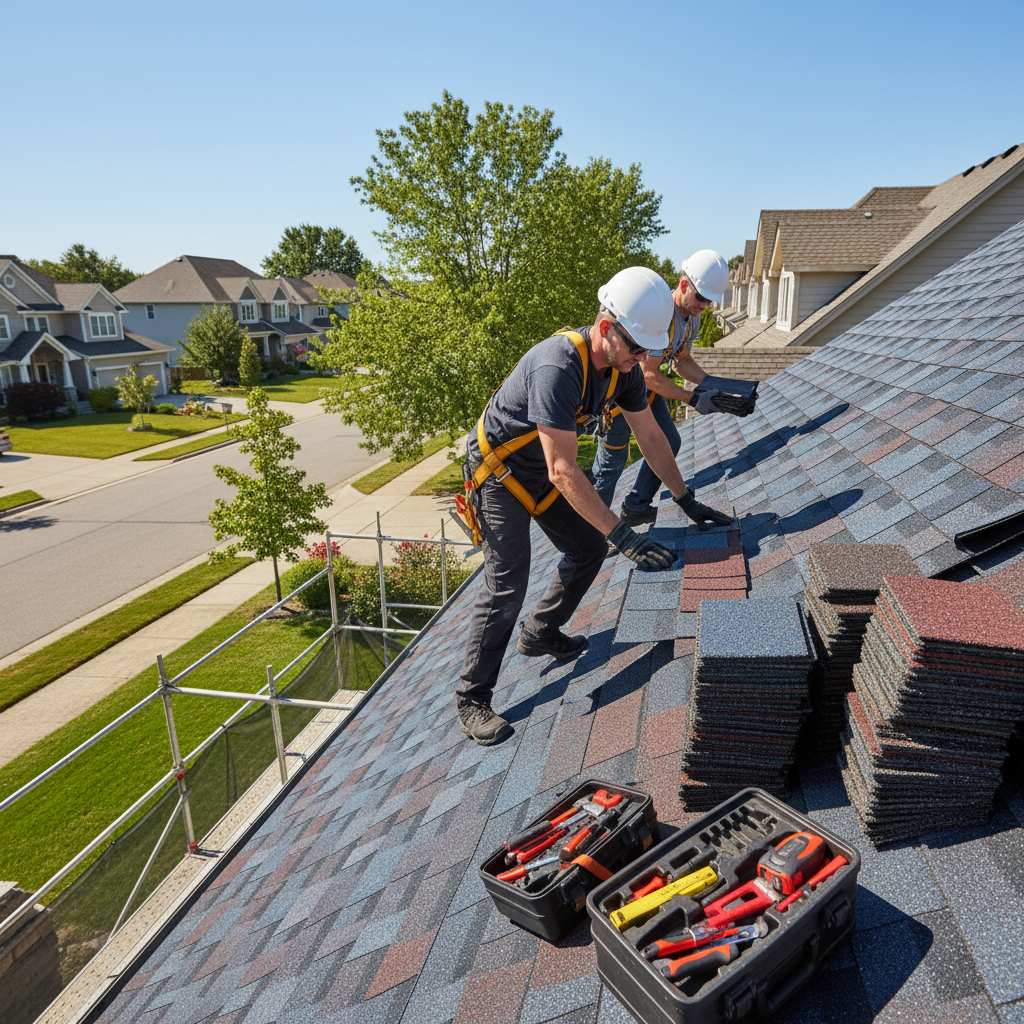
Highlights
- Choose licensed roofing contractors to ensure long-term durability and safety for your home.
- Conduct thorough research to avoid potential financial losses and ensure quality workmanship.
Summary
Choosing the right roofing services is a crucial decision for homeowners aiming to protect their property, enhance its value, and ensure the longevity of their roof. The quality of workmanship, materials used, and the contractor’s reliability significantly impact the roof’s durability and performance against weather and environmental factors. A professional roofing service typically offers comprehensive solutions, including installation, repair, maintenance, and cleanup, while balancing cost and long-term value to safeguard the homeowner’s investment.
This guide explores the essential factors homeowners should consider when selecting roofing contractors, such as verifying licenses and insurance, evaluating reputation and customer reviews, and understanding the scope and quality of workmanship. It highlights the importance of choosing licensed and bonded professionals who comply with safety standards and building codes, thereby reducing risks related to liability and substandard work. Additionally, the selection of appropriate roofing materials tailored to the home’s design and environmental needs plays a pivotal role in ensuring durability and aesthetic appeal.
The article also addresses common challenges and red flags in the roofing industry, including unlicensed contractors, vague estimates, high-pressure sales tactics, and hidden fees, which can lead to financial loss and compromised safety. It offers practical advice on how to find reliable contractors through referrals, online platforms, and detailed vetting processes, emphasizing due diligence to avoid fraud and poor workmanship.
Finally, it outlines key steps and critical questions homeowners should ask before hiring roofing services, covering licensing verification, insurance confirmation, contract review, and warranty options. Maintaining the roof post-service with regular inspections and timely repairs is also emphasized to maximize the roof’s lifespan and maintain warranty coverage. This comprehensive overview equips homeowners with the knowledge to make informed decisions and ensure their roofing projects are executed safely, professionally, and with lasting quality.
Importance of Choosing the Right Roofing Services
Selecting the right roofing services is essential to ensure that your home is protected effectively and maintained properly over time. The quality of workmanship and materials directly impacts the durability and longevity of your roof, making it a critical decision for any homeowner. A reliable roofing contractor not only provides comprehensive service—including installation, maintenance, and cleanup without hidden fees—but also balances price with value, offering long-term benefits such as enhanced home value and weather resistance. By carefully choosing the right roofing services, you secure a roof that withstands the elements and adds lasting value to your property, ultimately safeguarding your investment.
Common Roofing Services
Roofing services typically encompass a range of tasks essential to the installation, maintenance, and repair of residential roofs. These services often include roof installation, roof repair, roof replacement, and routine maintenance to ensure the durability and longevity of the roofing system.
A comprehensive roofing contract usually covers all phases of the job, from the initial installation to the final cleanup, without hidden fees. Properly executed roofing projects not only enhance the home’s protection against weather elements but also contribute to its long-term value.
Safety and compliance are critical components of professional roofing services. Qualified roofers are knowledgeable about roofing materials, safety protocols, building codes, and warranty options, providing homeowners with peace of mind that the work will meet industry standards and be backed by reliable guarantees. Moreover, choosing roofers who carry adequate insurance coverage helps protect property owners from liability related to workplace injuries, equipment damage, or client lawsuits during high-risk roofing projects.
When seeking roofing services, it is important to verify the contractor’s credentials, including their licensing and insurance status. This verification helps prevent subpar work, financial losses, and safety hazards associated with unqualified or fraudulent contractors. Checking customer ratings and reviews is also a recommended step to ensure the roofing company’s reputation and reliability before hiring.
Factors to Consider When Choosing Roofing Services
When selecting roofing services for your home, several critical factors should be evaluated to ensure quality, reliability, and long-term value. Understanding these considerations can help homeowners make informed decisions that protect their investment and enhance their property’s durability.
Reputation and Customer Service
A roofing contractor’s reputation is a vital indicator of their reliability and workmanship. Reviews and testimonials from previous clients provide valuable insights into a company’s professionalism and service quality. For example, homeowners like Carolyn F. have praised contractors such as Wilkinson Roofers for their consistent delivery of superior craftsmanship and dependable service. Checking ratings through independent third-party platforms, such as those used by the Owens Corning Roofing Quality Assurance Program, can further validate a contractor’s standing in the industry.
Licensing and Credentials
Ensuring that a roofing contractor holds the appropriate licenses and credentials is essential for legal compliance and quality assurance. Licensing requirements vary by state, typically mandating passing trade, business, and law exams, along with documented project experience. Licensed contractors are more likely to provide skilled workmanship and are legally accountable for their work, offering homeowners additional peace of mind. Additionally, some contractors pursue manufacturer certifications, such as Owens Corning Platinum Preferred Contractor status, demonstrating their commitment to using quality materials and adhering to best practices.
Insurance and Bonding
Contractors should possess adequate insurance coverage, including general liability and workers’ compensation insurance, to protect both their workers and homeowners from potential liabilities during roofing projects. Surety bonds, often required for government or commercial contracts, act as financial guarantees that the contractor will complete the work as agreed and pay subcontractors or suppliers if necessary. Being “licensed and bonded” is a mark of professionalism and financial responsibility in the roofing industry.
Quality of Workmanship and Materials
The quality of workmanship is a decisive factor affecting the longevity and performance of a roof. Homeowners value contractors who go beyond fulfilling basic contract requirements by delivering superior craftsmanship that enhances their home’s protection and value. Selecting the right roofing material tailored to the architectural style and environmental conditions of the home is equally important. Different roof shapes may support certain materials better, and the choice of materials impacts durability, aesthetics, and maintenance needs.
Comprehensive Service and Cost Considerations
A trustworthy roofing contractor should offer comprehensive services that cover all aspects of the job, including installation, inspection, and cleanup, without hidden fees. While budgeting is important, prioritizing quality over the lowest upfront cost often results in long-term savings by reducing repair frequency and extending roof life. Balancing price and value ensures homeowners receive a durable and sustainable roofing solution that withstands weather conditions and adds to the home’s resale value.
By thoroughly evaluating these factors—reputation, licensing, insurance, workmanship, and service scope—homeowners can confidently choose roofing services that meet their needs and safeguard their investment for years to come.
How to Find Reliable Roofing Contractors
Finding a reliable roofing contractor is essential to ensure the quality and longevity of your roofing project. One of the best starting points is seeking personal referrals from friends, family, or neighbors who have had positive experiences with roofers. Posting on social media platforms can also yield recommendations from your community. Additionally, a legitimate roofing company typically maintains a professional website with detailed information about their services, history, and customer testimonials, which can help establish credibility.
Online directories and specialized websites such as Angi’s List, HomeAdvisor, and the Better Business Bureau (BBB) are valuable resources for locating roofers in your area. These platforms provide customer reviews and ratings that offer insights into a contractor’s reliability, quality of work, and customer service. Popular review platforms like Google Reviews, Facebook, and Yelp further assist in evaluating potential contractors through firsthand customer feedback.
Verifying a contractor’s license and credentials is a crucial step in the selection process. Legitimate roofers should readily provide their license number and the name under which the license is registered. You can cross-check this information using state regulatory bodies’ real-time license verification tools, such as the Florida Construction Industry Licensing Board website, to confirm the contractor’s legitimacy and standing. Beyond licensing, inquire about certifications, insurance coverage, and warranties. Request proof of these credentials and verify them with the issuing organizations or insurance companies to ensure the contractor is qualified and protected against any errors or damages.
While recommendations and online searches are helpful for creating a shortlist, basing your decision solely on these can be risky without further due diligence. It is advisable to ask detailed questions about the contractor’s experience, the scope of their work, and their business practices to better understand their capabilities and reliability. Taking the time to thoroughly research and verify a roofing contractor’s qualifications, reputation, and customer feedback can provide peace of mind and help you hire a professional who will deliver quality workmanship and protect your home effectively.
Questions to Ask Potential Roofing Contractors
When hiring a roofing contractor, asking the right questions is crucial to ensure you select a reliable and qualified professional for your project. Start by clarifying the scope of your project—whether it is a repair or a full replacement—as this will influence the contractor’s approach and pricing.
Inquire about the contractor’s methods and processes to understand how they plan to carry out the work and to assess compatibility in working together. Safety should be a primary concern, so ask about their safety protocols and certifications that demonstrate professionalism and adherence to industry standards.
It is essential to verify the contractor’s licensing, bonding, and insurance status. A licensed and bonded contractor typically has a stronger reputation and is more likely to meet state requirements, especially for commercial or government projects. Confirming that they carry worker’s compensation and liability insurance protects you from financial risks in case of accidents during the job.
Discuss warranty options in detail. Roofing warranties generally fall into three categories: manufacturer’s product warranties, workmanship warranties from the contractor, and extended warranties that cover both installation and products. The best warranties offer coverage for 10 or more years on workmanship, non-prorated material coverage of 25 years or more, and transferability to new homeowners.
Before finalizing your decision, ask for references from recent jobs completed within the last three to six months. Contacting past clients allows you to evaluate the quality of the contractor’s work and their professionalism throughout the project. Additionally, inquire about the contract details, including permits, payment schedules, and whether the contractor will handle necessary filings to ensure a smooth and transparent process.
By addressing these key questions, you can make an informed decision and select a roofing contractor who meets your needs and expectations.
Red Flags to Watch Out For
When selecting a roofing company, being vigilant about potential red flags can save you from costly mistakes and ensure a smoother experience. One of the primary concerns is dealing with companies that do not provide clear information about their licensing, insurance, or permits. These credentials are essential for legal compliance and safety; without them, homeowners risk liability for any damages or injuries that may occur during the roofing project. Licensed and bonded contractors are generally more reputable and better equipped to handle the job, especially for commercial or government contracts.
Another warning sign is the use of high-pressure sales tactics or demands for large upfront payments. Reputable roofing companies typically follow a structured payment plan and avoid pressuring clients into immediate decisions or signing contracts without fully understanding the terms. Similarly, vague or unusually low estimates should raise concerns. Extremely low bids might indicate hidden fees, subpar materials, or inexperienced workers, potentially leading to expensive repairs down the line.
Homeowners should also be cautious if the roofing company provides unclear or incomplete estimates that do not detail the costs of materials, labor, permits, and additional services. Transparent pricing upfront is a hallmark of a trustworthy contractor. To further protect yourself, it is advisable to obtain multiple estimates and seek free inspections from various companies to compare their evaluations and pricing.
Lastly, considering the roofer’s overall reputation and commitment to customer satisfaction can help you make an informed decision. Reading reviews and gauging community trust can highlight companies with consistent quality service versus those with questionable practices. Paying close attention to these red flags will help you confidently assess the experience and reliability of a roofing company before hiring.
Steps to Hire the Right Roofing Service
Hiring the right roofing service is essential to ensure the durability and protection of your home while avoiding potential financial and safety risks. The process involves several key steps to verify the legitimacy and quality of the roofing contractor you plan to hire.
Verify Licensing and Insurance
Start by asking the roofing contractor directly for their license number and the name under which the license is registered. Legitimate roofers should readily provide this information. Verify the license with the relevant state or local authority to confirm its validity. Additionally, ensure that the contractor carries both worker’s compensation and liability insurance. Proof of insurance protects you from liability in case of accidents or damages during the project.
Research Reputation and Reviews
Assessing a roofer’s reputation is crucial. Check online ratings and reviews to gauge customer satisfaction and the company’s overall standing. While a large number of reviews can be overwhelming, focus on detailed and credible feedback. Recommendations from friends and neighbors can also provide valuable insights. This research helps you make informed decisions based on others’ experiences.
Obtain Detailed Estimates and Compare Quotes
Request detailed estimates from several licensed contractors to compare pricing, services, and materials offered. A comprehensive quote should cover all aspects of the job, including installation, materials, permits, cleanup, and any additional fees. Ensure the estimate specifies the types of roofing materials and their expected durability, helping you find the best value within your budget. Comparing quotes with a clear understanding of services included will prevent surprises and hidden costs later on.
Review Contract Terms Thoroughly
Before signing, carefully review the contract to confirm it includes a detailed payment schedule outlining amounts and due dates, as well as any available financing options. The contract should state if permits are required and confirm that the contractor will handle obtaining them. Avoid companies that pressure you into signing without fully explaining terms or provide vague estimates.
By following these steps—verifying credentials, researching reputation, comparing detailed quotes, and reviewing contracts thoroughly—you can confidently hire a reliable roofing service that meets your needs and safeguards your investment.
Tips for Maintaining Your Roof After Service
Proper maintenance after roofing service is essential to prolong the lifespan of your roof and protect your investment. Regular inspections, timely repairs, and understanding warranty terms can help ensure your roof remains in good condition for years to come.
One of the key steps in roof maintenance is scheduling regular inspections every one to two years. These inspections allow your contractor to identify and address minor issues such as vent and flashing damage, shingle wear, and caulking deterioration before they escalate into major problems. Staying ahead of repairs not only maintains your roof’s integrity but also helps preserve warranty coverage.
It is also important to be familiar with your contractor’s after-sales service policies. Knowing how they handle warranty claims, repairs, or potential issues after project completion provides peace of mind. Reliable contractors often offer workmanship warranties, which can range from 10 or more years for labor coverage and 25 years or more for materials. Some warranties are non-prorated and transferable to subsequent homeowners, adding value to your property.
Verifying insurance and bonding is another critical aspect of maintaining protection for both you and your property. Confirming that your contractor has up-to-date insurance policies and proper bonding can protect you from liability related to workplace injuries, property damage, or subcontractor issues during and after the roofing project.