Highlights
- Stair lifts enhance mobility at home, allowing independent navigation of stairs for individuals.
- Explore funding options for stair lifts, from Medicaid to VA grants, for financial relief.
Summary
Stair lifts assist individuals with mobility challenges in navigating stairs safely. They consist of a rail and a chair that travels along the rail, allowing users to move independently. Various lift models, including seated, perching, standing, and outdoor variants, cater to different needs and staircase types.
Stair lifts are not covered by Original Medicare due to their classification as home modifications, rather than durable medical equipment. While some Medicare Advantage plans may cover them under specific conditions, coverage varies widely. Other funding options like Medicaid, VA grants, and private financial arrangements also exist, but cost can range significantly depending on the model and installation needs.
Overview of Stair Lifts
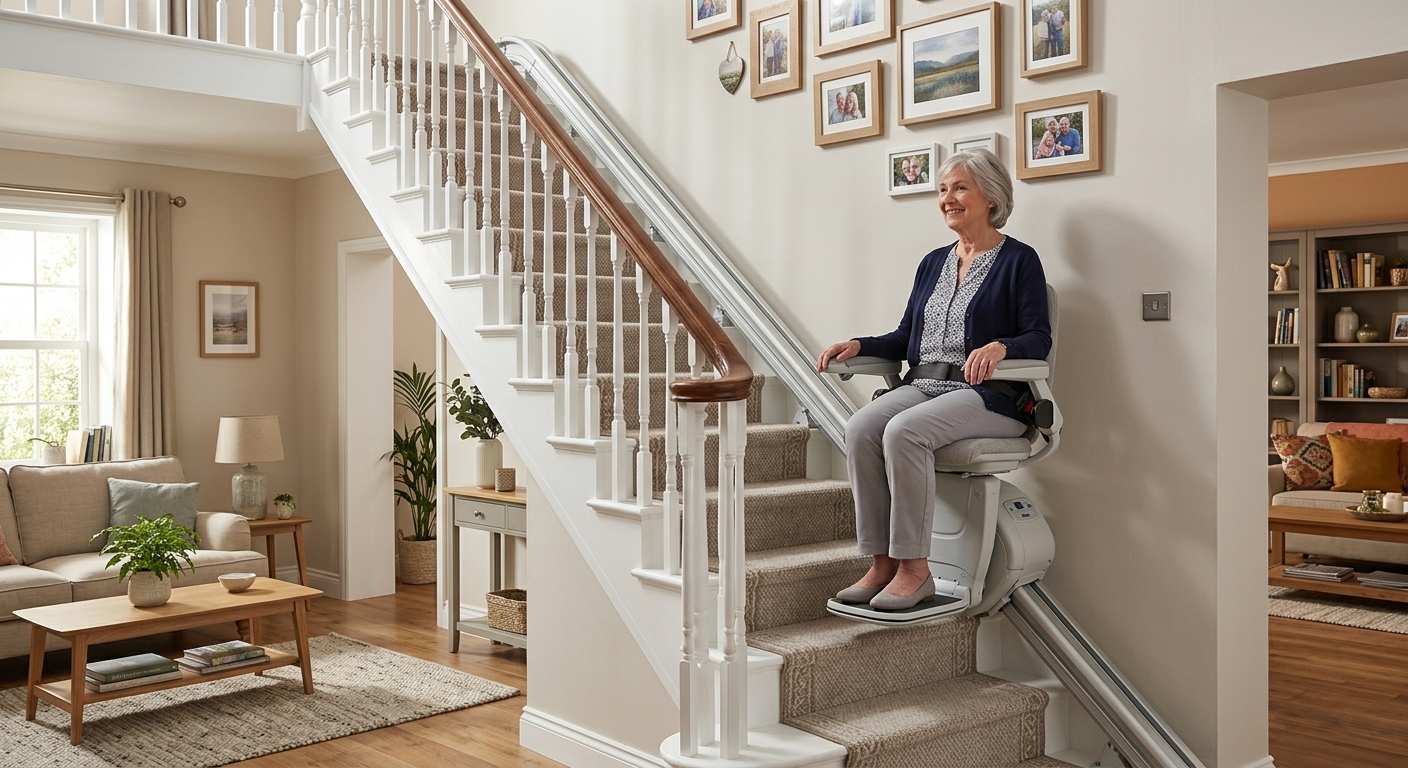
Stair lifts help those with mobility issues to navigate stairs with safety and independence. They comprise a rail installed along the staircase and a chair that users control with a panel on the armrest. Key variations include standard lifts with swivel seats for ease of exit, perching lifts for narrow spaces, and standing lifts for individuals preferring to stand.
Outdoor models are designed for external use, featuring weather-resistant components. Many lifts offer safety features like foldable rails and battery backups for continued operation during outages. Understanding the different models enables users to select the best fit for their physical needs and staircase configuration.
Medicare Coverage for Stair Lifts
Medicare typically does not cover stair lifts due to their classification as home modifications. This means beneficiaries are usually responsible for the full purchase cost, as stair lifts are excluded from the durable medical equipment (DME) category. Coverage under Medicare Advantage plans may be more flexible, but beneficiaries need to check specific plans for potential benefits like home modification coverage.
Documentation supporting medical necessity, including a physician’s prescription, is often required for approval. If claims are denied, an appeals process may allow beneficiaries to submit additional evidence for reconsideration. It’s also advisable for individuals not covered by Medicare to explore available financial resources and assistance programs specific to their needs.
Assistance and Coverage Options Beyond Medicare
Other funding avenues may assist in obtaining stair lifts. Medicaid’s Home and Community-Based Services (HCBS) waivers can offer coverage, but eligibility varies by state and depends on specific needs and income limits. If approved, waivers can fund installation amounts, often with limitations on coverage details.
Some Medicare Advantage plans might include benefits for home modifications if medically necessary, though these can differ significantly between plans. Veterans may access grants through the VA, making them eligible for financial assistance related to mobility needs. State-level assistive technology programs may also provide loans or grants for stair lift installations.
Private insurance coverage for stair lifts is rare, but it is worth exploring whether related expenses like assessments can be claimed. Long-term care policies might include stair lift costs, and exploring options such as purchasing used lifts or consulting nonprofits may help offset expenses.
Medical and Documentation Requirements for Coverage
To qualify for stair lift coverage, a doctor’s prescription affirming medical necessity is usually needed. This documentation typically requires completion of forms to attest to the individual’s mobility challenges. Approval must come from Medicare or Medicaid-approved suppliers, emphasizing the importance of research into eligibility and specific state regulations.
Safety and regulatory compliance surrounding stair lifts are stringent. Devices must meet recognized safety standards to prevent injuries and comply with safety regulations. Ensuring compliance with these standards is critical not only for operational safety but also for facilitating the coverage process.
Costs and Financial Considerations
Costs for stair lifts vary greatly, ranging from $2,000 to over $30,000 based on the complexity and features of the lift. Straight models are generally more affordable compared to curved lifts, which require custom installation. Understanding specific coverage options and cost implications is necessary for informed financial decisions.
Besides Medicare and Medicaid, potential financial options include using Flexible Spending Accounts or Health Savings Accounts with a prescription. Veterans can seek assistance from the VA, and local aging services can offer guidance on available financial aid. Exploring all potential funding options and understanding eligibility requirements are essential steps for those considering a stair lift purchase.
Regulatory and Safety Standards
Stair lifts are regulated as Class II medical devices by the FDA, which imposes strict safety and effectiveness conditions. Certain powered models are exempt from premarket notifications, allowing for broader accessibility if they meet specified safety criteria. Safety testing and compliance with regulations such as ASME A18.1 underscore the importance of reliability and user safety in preventing injuries.
Manufacturers must adhere to various safety standards, including electrical safety norms. Continuous adherence to regulatory guidelines and maintenance is vital for safe operation, making awareness of safety practices paramount for users of stair lifts.