Highlights
- Bank-owned properties are growing in prevalence, offering discounted opportunities for savvy homebuyers.
- Working with experienced professionals is essential to navigate the complexities of REO transactions.
Overview of Bank-Owned Properties
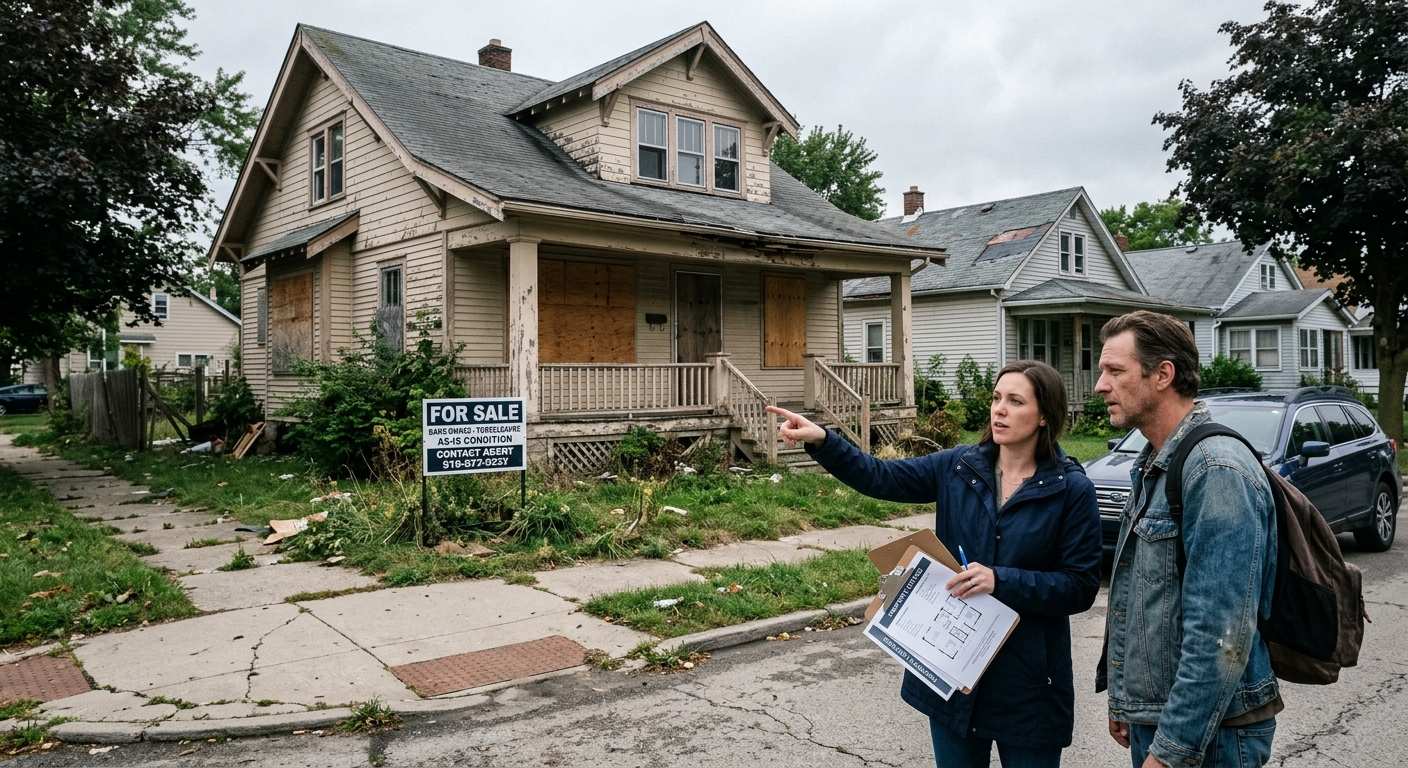
Bank-owned properties, or real estate-owned (REO) properties, become bank assets after the foreclosure process fails to sell them. This occurs when a homeowner defaults on their mortgage, leading to foreclosure proceedings. Unlike conventional home sales, buying an REO property can involve more complexities due to bank procedures, often leading to extended timelines. Buyers interested in these properties may find opportunities for significant savings, but they should expect to work closely with experienced real estate agents who understand the unique requirements of such transactions.
Market Trends in 2026
As of 2026, the U.S. housing market is gradually adjusting with increasing supply due to a rise in foreclosures. Foreclosure filings surged by 19% year-over-year, marking the entry of more bank-owned properties into the market, particularly in states like Florida and California. This trend is improving buyer negotiating power and creating potential for below-market purchases, despite ongoing high home prices. Understanding regional variations and monitoring areas with increased REO inventory can be crucial for finding opportunities.
Key Features of Bank-Owned Properties
Bank-owned properties generally offer a clear title, reducing legal risks for buyers. However, many are sold “as-is,” which means they may require significant repairs due to prior neglect. Buyers must factor potential repair costs into their decision-making. The purchasing process can be lengthy, as offers are reviewed through multiple bank departments, making thorough planning and buy-in from the bank essential to secure favorable pricing with often 10-20% discounts compared to market listings.
Legal Protections for Borrowers
Borrowers in foreclosure benefit from specific legal protections designed to ensure fair treatment during the process. Jurisdictions vary on foreclosure methods, impacting how quickly properties become REOs. Regulations from the Consumer Financial Protection Bureau (CFPB) set standards for loss mitigation and require lenders to inform heirs and successors, preventing wrongful foreclosures. These protections enhance transparency, allowing borrowers more chances to avoid losing their homes.
Investment Considerations: Pros and Cons
Investing in bank-owned properties can lead to significant financial benefits, as these homes often sell below market value, potentially enhancing long-term equity. Investors may capitalize on favorable financing conditions offered by banks to facilitate quicker sales. However, risks exist, including property condition issues and complex legal encumbrances that require diligent evaluation. Understanding local market trends and the specifics of individual properties is critical to making informed investment decisions.
Investment Strategies for Bank-Owned Properties
Successful investment in bank-owned properties hinges on thorough research and understanding the nuances of the foreclosure process. Buyers must prepare for renovation and repair costs, which should be factored into their overall investment strategy. A careful market analysis will help identify potential risks and opportunities. Collaborating with experienced professionals can streamline the purchasing process and enhance the likelihood of profitable outcomes.
Valuation Approaches in 2026
Accurately valuing bank-owned properties combines traditional appraisal methods with contemporary valuation technologies. Comparables analysis remains vital, while banks generally offer discounts reflective of necessary repairs. Buyers should anticipate that negotiations may take longer due to the required multiple layers of approval from banks, and they should submit well-supported offers to maximize acceptance chances.
Understanding the Market Impact and Future Outlook
In 2026, the increase in bank-owned properties is reshaping housing market dynamics, affecting sale prices and local valuations. Although these properties can exert downward pressure on nearby home values, their effective management offers a chance for neighborhood revitalization. The coming years will require monitoring economic factors and assessing the potential for REO properties to provide unique acquisition opportunities amid a landscape that balances both challenges and prospective rewards. Buyers should remain informed and ready to adapt as the market evolves, capitalizing on favorable conditions and strategic investments.
The content is provided by Avery Redwood, Scopewires