Highlights
- Repossessed cars often sell below retail value, offering significant savings for budget-conscious buyers.
- Thorough research and inspections are crucial to mitigate risks when purchasing repossessed vehicles.
Summary
This guide outlines key considerations for purchasing repossessed vehicles, which can be an affordable option for buyers willing to navigate unique risks and procedures. Repossessed cars are typically sold below retail value at auctions and bank sales, but they come without warranties and may have hidden damages. Understanding the repossession process, disposal methods, and inspection procedures is crucial for making informed decisions.
Comparison of Affordable Repossessed Cars
| Type of Vehicle | Cost Estimation |
|---|---|
| Sedan | $8,000 – $15,000 |
| SUV | $10,000 – $20,000 |
| Pickup Truck | $12,000 – $22,000 |
| Compact Car | $5,000 – $10,000 |
| Luxury Car | $15,000 – $30,000 |
| Minivan | $8,000 – $16,000 |
Prices, rates, and cost estimates in this article reflect the most recent information available but may vary over time. Please conduct independent research before making any financial decisions.
Understanding Vehicle Repossession
Vehicle repossession occurs when a lender seizes a vehicle due to the borrower’s missed payments, often allowing for reclaiming without prior notice. Repossession can happen swiftly, sometimes after a single missed payment, and borrowers may have options for voluntary repossession or redemption by settling outstanding debts. State laws impact the process, including the rights of borrowers post-repossession, such as the ability to reclaim or bid on their vehicles during sales.
Disposal and Sale of Repossessed Vehicles
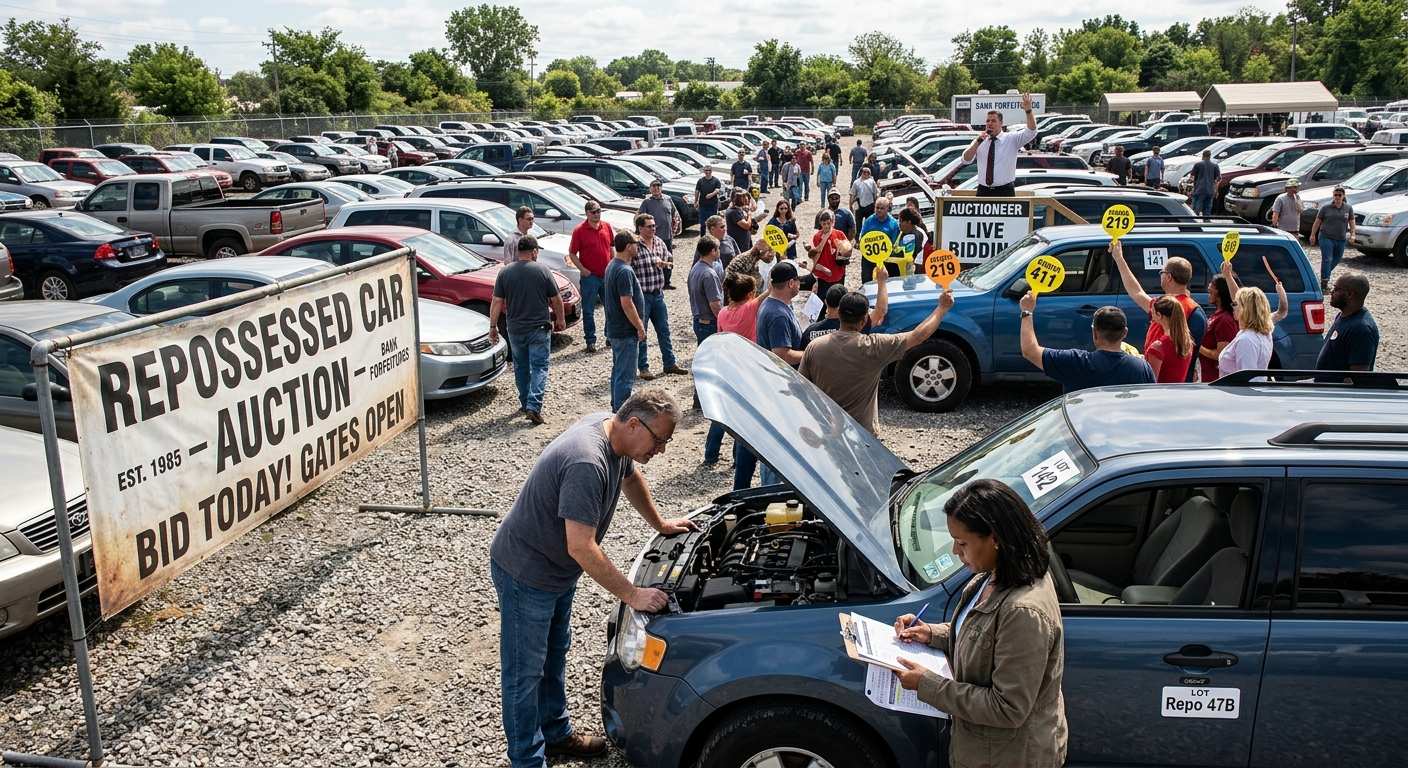
Repossessed vehicles are primarily sold through auctions, an avenue for lenders to recover unpaid loans while providing budget-friendly options to buyers. The auction process can take various forms, including online and in-person events. However, vehicles are sold “as-is,” often without prior repairs, meaning buyers need to be prepared for potential hidden issues and must understand auction rules, reserve prices, and associated fees for a smooth transaction.
Evaluating Repossessed Cars Before Purchase
Thorough evaluation is essential when considering repossessed cars to mitigate risks of hidden defects. Buyers should obtain comprehensive vehicle history reports and conduct personal inspections as auction houses typically do not allow test drives. It is crucial to budget for potential repairs since repossessed vehicles are sold without guarantees, making them less suitable for buyers who prefer assurance and reliability in their purchases.
Understanding Risks and Challenges
While purchasing repossessed vehicles can yield savings, buyers should be wary of their condition and auction dynamics. Risks include hidden damages that may incur additional repair costs and the “as-is” selling condition, which leaves buyers responsible for any issues post-purchase. Furthermore, buyers must confirm clear vehicle titles as any outstanding liens may lead to future repossession. Additionally, state-specific laws regarding repossession and sales can introduce further complications, necessitating careful research to avoid disputes and financial pitfalls.
The content is provided by Jordan Fields, Scopewires