Highlights
- Early orthodontic evaluation by age seven can lead to improved long-term dental outcomes.
- Tailored treatment plans for all ages ensure effective results and enhance overall oral health.
Summary
Dental braces are orthodontic devices correcting teeth alignment and bite irregularities in individuals of all ages. With advancements in orthodontic technology, treatment options now include traditional metal braces, ceramic braces, lingual braces, and clear aligners, each providing distinct benefits that cater to various dental conditions and patient preferences. Early orthodontic evaluation, recommended by the American Association of Orthodontists by age seven, can facilitate timely intervention, simplifying treatment and enhancing long-term outcomes in children whose jaws are still developing.
Treatment approaches differ notably by age group. In children (ages 7–12), appliances like palatal expanders create space for permanent teeth, potentially reducing the need for invasive procedures later. Teenagers (ages 13–17) often receive comprehensive treatment to address various malocclusions, benefiting from rapid tooth movement due to active growth. Adults (18 and older) increasingly seek orthodontic care to enhance function and aesthetics, though their treatment durations may be longer because of denser bone structures and existing dental restorations that necessitate customized plans focusing on overall oral health.
Types of Orthodontic Appliances
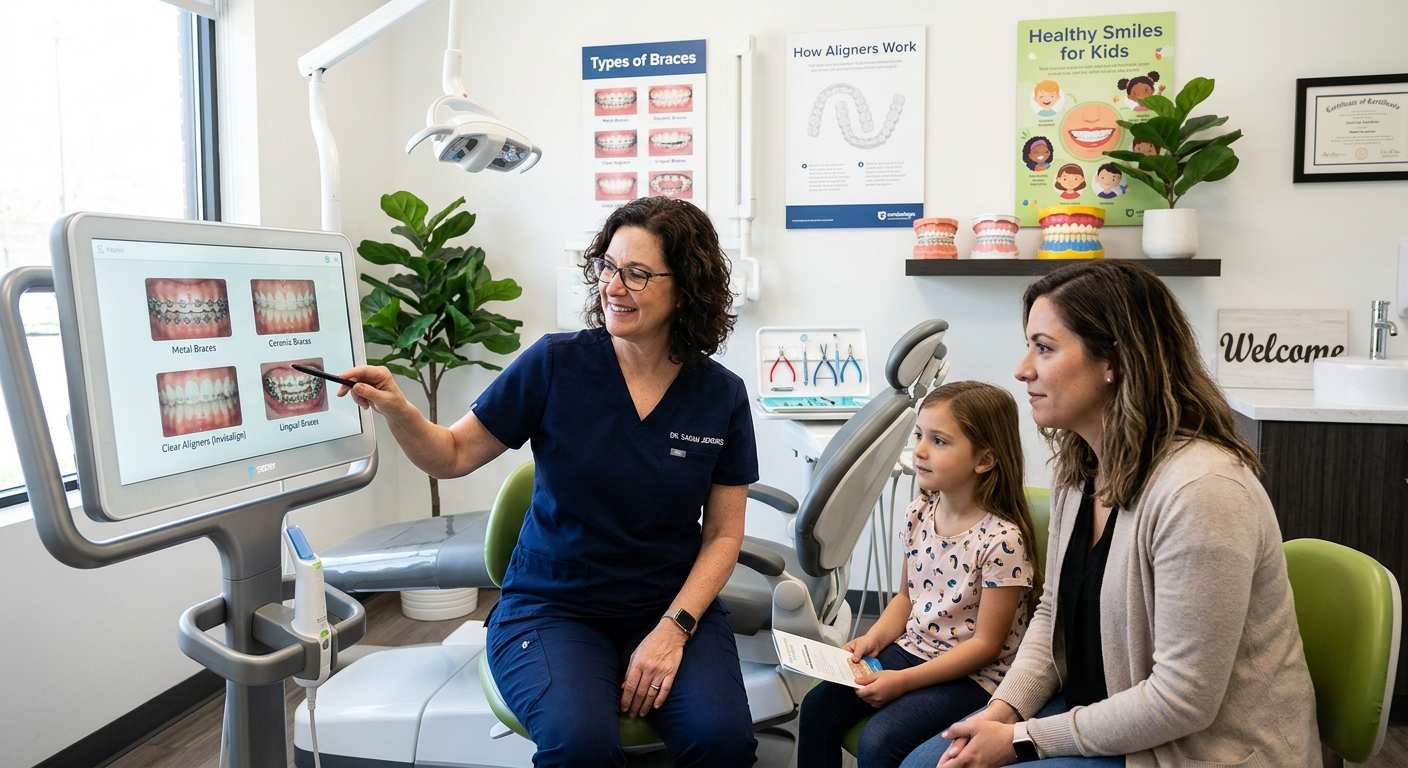
Selecting the right orthodontic appliance depends on treatment complexity, lifestyle preferences, and aesthetics. Clear aligners are popular for their discreetness and comfort but require high compliance to achieve desired results. Traditional and ceramic braces are dependable for complex cases, while lingual braces provide an invisible option at a higher cost. Maintaining excellent oral hygiene is crucial during treatment, as braces can increase the risk of plaque buildup, cavities, and gum disease, particularly for adults.
Age-Specific Considerations
Orthodontic treatment is relevant for various age groups, each with unique needs. Early evaluation in children is critical for identifying dental issues early, allowing for interventions like Phase 1 treatment, which may involve appliances such as expanders to guide jaw development and often lasts 6 to 12 months. During adolescence, the rapid tooth movement facilitates effective treatment, typically requiring 12 to 24 months for comprehensive solutions.
Adults, however, may experience longer treatment times, averaging 18 to 36 months, due to slower bone remodeling and potential complexities arising from previous dental work. Despite these challenges, adults benefit from a range of appliance options tailored to individual preferences and health conditions.
Clinical Assessment and Suitability for Treatment
A comprehensive clinical assessment is essential for determining appropriate orthodontic treatment. This process evaluates factors like age, oral health status, and the complexity of orthodontic issues. Health conditions such as gum disease or tooth decay must be managed before proceeding with treatment. Early intervention leads to better treatment planning and outcomes, particularly in children, while adults may present more complex cases necessitating tailored treatment strategies.
Post-Treatment Care and Long-Term Maintenance
Post-treatment care is vital for sustaining orthodontic results. After braces or aligners are removed, stabilizing teeth in their new positions is crucial, with retainers helping to maintain alignment. Proper maintenance reduces risks of periodontal disease, tooth decay, and uneven wear. Maintaining good oral hygiene and regular dental visits are essential for preserving results across all age groups. Adults may prefer clear aligners during maintenance due to their discreetness, while consistent follow-up care can prevent relapse and ensure long-term success.