Highlights
- Personal vehicle delivery of medical supplies ensures timely access in underserved areas.
- Special training and compliance are crucial for safe and effective transportation of healthcare items.
Summary of Personal Vehicle Delivery for Medical Supplies
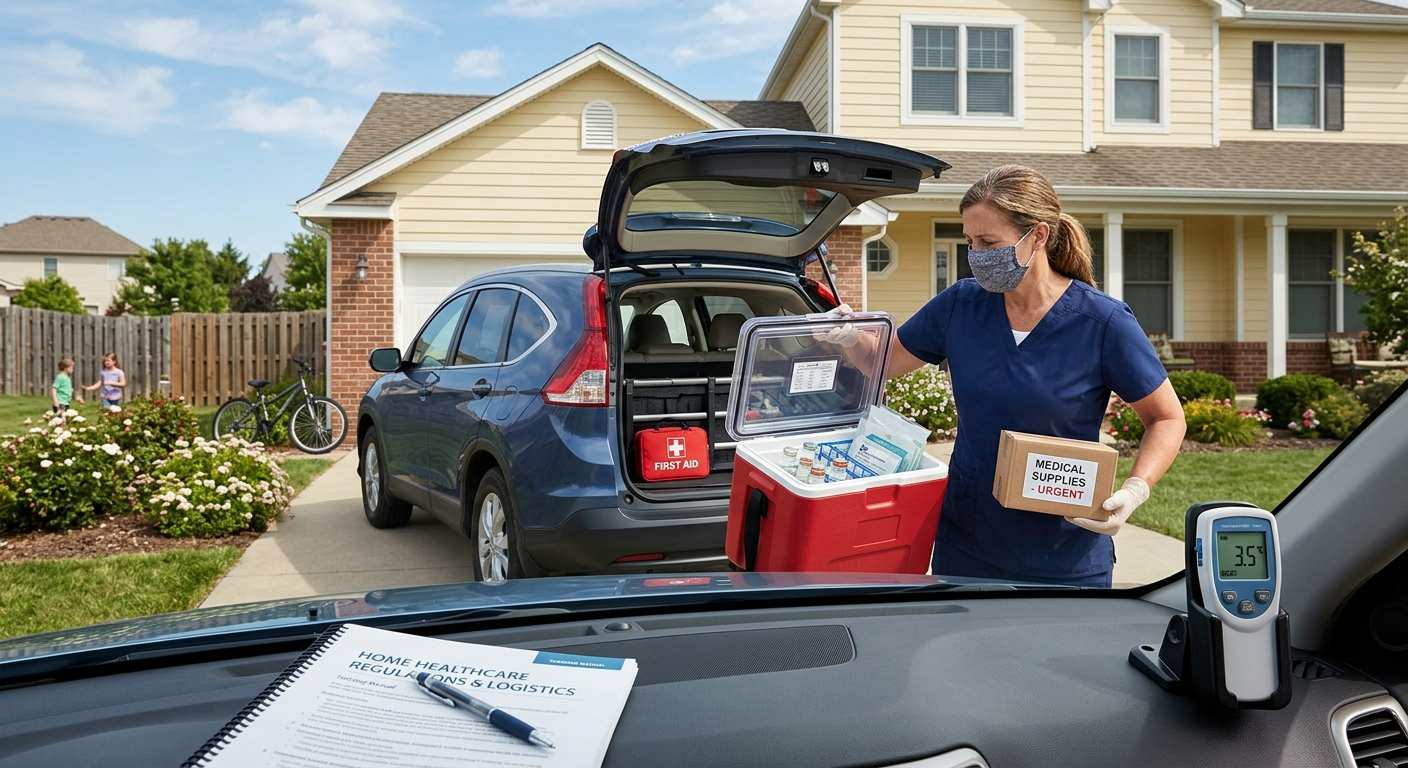
Delivering medical supplies via personal vehicles is increasingly critical for ensuring timely access to essential and temperature-sensitive products, particularly in areas with inadequate infrastructure or heightened security concerns. This delivery method not only enhances flexibility and speed but also supports last-mile logistics, emphasizing adherence to strict safety and regulatory protocols. However, drivers must ensure their vehicles are equipped with necessary modifications, including temperature control systems, secure mounting devices, and emergency kits, while also undergoing training to comply with health and safety standards.
Regulatory compliance can vary significantly across jurisdictions, necessitating awareness of differing licensing, inspection, and insurance guidelines. While personal vehicle delivery offers several advantages, such as direct access to healthcare locations, it also presents logistical challenges, including route planning and temperature monitoring, alongside the need for ongoing investment in training and technology. The landscape is further complicated by potential liabilities, insurance coverage gaps, and the importance of maintaining patient confidentiality. Despite these challenges, personal vehicle delivery remains a vital aspect of healthcare logistics.
Key Challenges and Requirements
Effective medical supply delivery involves crucial logistical considerations, which are amplified when using personal vehicles. Drivers must maintain reliable and well-equipped vehicles for safe transport, particularly for sensitive items requiring strict temperature control. Additionally, proper training in handling medical supplies, regulatory compliance, and thorough vehicle preparation is essential for mitigating risks associated with unexpected events during transport.
Another significant requirement entails understanding the insurance landscape related to medical deliveries. Standard auto insurance usually does not cover delivery activities, necessitating specialized commercial insurance that protects drivers against accidents and liability claims. Furthermore, maintaining adherence to varying local regulations is critical to avoid legal complications and ensure safe handling of potentially hazardous materials.
Temperature Control and Safety Protocols
Temperature management is paramount for many medical products, which often need to be transported under specific conditions. Specialized vehicles featuring refrigerated units or insulated containers play a key role in preserving the efficacy of pharmaceuticals and laboratory specimens during transit. Continuous monitoring of temperature using data loggers is advised, and packaging must comply with established regulatory standards.
To prevent contamination and safeguard patient information, strict safety protocols must be followed, including the use of personal protective equipment (PPE) and sanitization procedures. Regular training and updates to operational protocols help ensure compliance with standards like HIPAA, while secure packaging and labeling further contribute to safe transport practices.
Legal and Insurance Considerations
Drivers engaging in medical supply delivery must navigate a range of legal and insurance requirements tailored to their operational environment. This includes obtaining the appropriate licenses and certifications, ensuring compliance with healthcare regulations, and maintaining a clean driving record. Additionally, commercial driver’s licenses (CDL) may be necessary, depending on the vehicle size and cargo type.
Insurance is a critical aspect as personal auto policies may not cover delivery-related incidents. Consequently, drivers should pursue commercial auto insurance policies that cover liabilities and may need additional types of coverage, such as general liability and hired/non-owned auto insurance. Staying informed about insurance needs and regulatory changes is essential to safeguard financial and operational integrity in medical supply deliveries.
Future Trends in Medical Supply Delivery
The future of medical supply delivery using personal vehicles is shaped by the increasing reliance on flexible delivery options in challenging environments. Advancements in transport technology, including specialized packaging solutions and enhanced vehicle equipment, aim to streamline the logistics of moving temperature-sensitive items. Furthermore, integrated software solutions are evolving to manage route optimization and compliance needs more effectively.
Legislative adaptations are also anticipated to better support independent contractors entering the medical delivery space, fostering enhanced insurance frameworks and recognizing their unique operational concerns. Overall, the intersection of technology, regulatory change, and operational enhancements is likely to evolve the delivery landscape, improving efficiency and reliability in critical medical supply transport.