Highlights
- Prejuvenation in your 30s offers a proactive approach to combat early aging signs.
- Embrace emerging technologies for personalized care and optimal cosmetic treatment results.
Cosmetic Procedures in Your 30s: Evaluating Options and Implications
Understanding Skin Changes in the 30s
The 30s represent a critical period for skin health, as individuals often observe the emergence of fine lines, wrinkles, and changes in texture and elasticity. Diminished production of collagen and elastin, alongside hormonal fluctuations, contribute to these shifts, particularly for women experiencing declining growth hormone levels. The result may involve noticeable volume loss in key facial areas, leading to a less youthful appearance. Environmental factors, such as sun exposure, may further exacerbate issues like dryness, uneven skin tone, and hyperpigmentation. Recognizing these age-related changes informs treatment approaches aimed at maintaining a healthy, youthful complexion.
Evaluating Cosmetic Procedure Options
As individuals seek to address early signs of aging, a range of cosmetic procedures has become popular due to their effectiveness and minimal downtime. Injectable treatments such as hyaluronic acid fillers and neurotoxins like Botox are frequently employed to restore volume and reduce expression lines. The rise of “prejuvenation” strategies emphasizes preventative measures to slow down aging effects, utilizing these interventions earlier in life.
In addition to injectables, skin rejuvenation procedures like laser resurfacing, microneedling, and chemical peels are crucial for enhancing texture and tone. These treatments can stimulate collagen production and improve overall skin quality, allowing for a tailored approach to cosmetic care. While non-invasive treatments are emphasized, it’s important to consider surgical options like liposuction for those desiring more significant body contouring. Each option presents its own benefits and limitations, requiring careful consideration based on individual goals.
Balancing Risks and Benefits
While the allure of cosmetic enhancements is clear, potential risks and side effects should be thoroughly evaluated. Common mild side effects of injectable treatments include bruising and swelling, typically manageable with appropriate care. However, there are more serious risks associated with surgical procedures, such as infections or scarring, which warrant due diligence in selecting qualified professionals. The overall safety of cosmetic interventions often depends on the provider’s expertise, making research into their qualifications essential.
Furthermore, maintaining realistic expectations is critical. Cosmetic procedures can enhance self-esteem and improve appearance, but they are not substitutes for addressing deeper emotional concerns. An understanding of both the physical and psychological implications of these treatments fosters a more responsible approach to cosmetic enhancements.
Advancements in Technology and Treatment Trends
The cosmetic industry has experienced notable advancements, leading to improved treatment safety, precision, and personalization. Technologies like artificial intelligence and 3D imaging are enhancing treatment planning, allowing for tailored approaches that align with individual anatomy and aesthetic goals. Recent regulatory developments also aim to ensure patient safety as the market for minimally invasive cosmetic procedures expands significantly, targeting projected growth from USD 5.80 billion in 2023 to USD 12.85 billion by 2032.
Emerging trends indicate younger patients are increasingly valuing prevention, with both men and women in their 30s becoming proactive about maintaining their appearance. This demographic shift is prompting the industry to focus on early intervention rather than solely corrective measures.
Making Informed Decisions on Cosmetic Enhancements
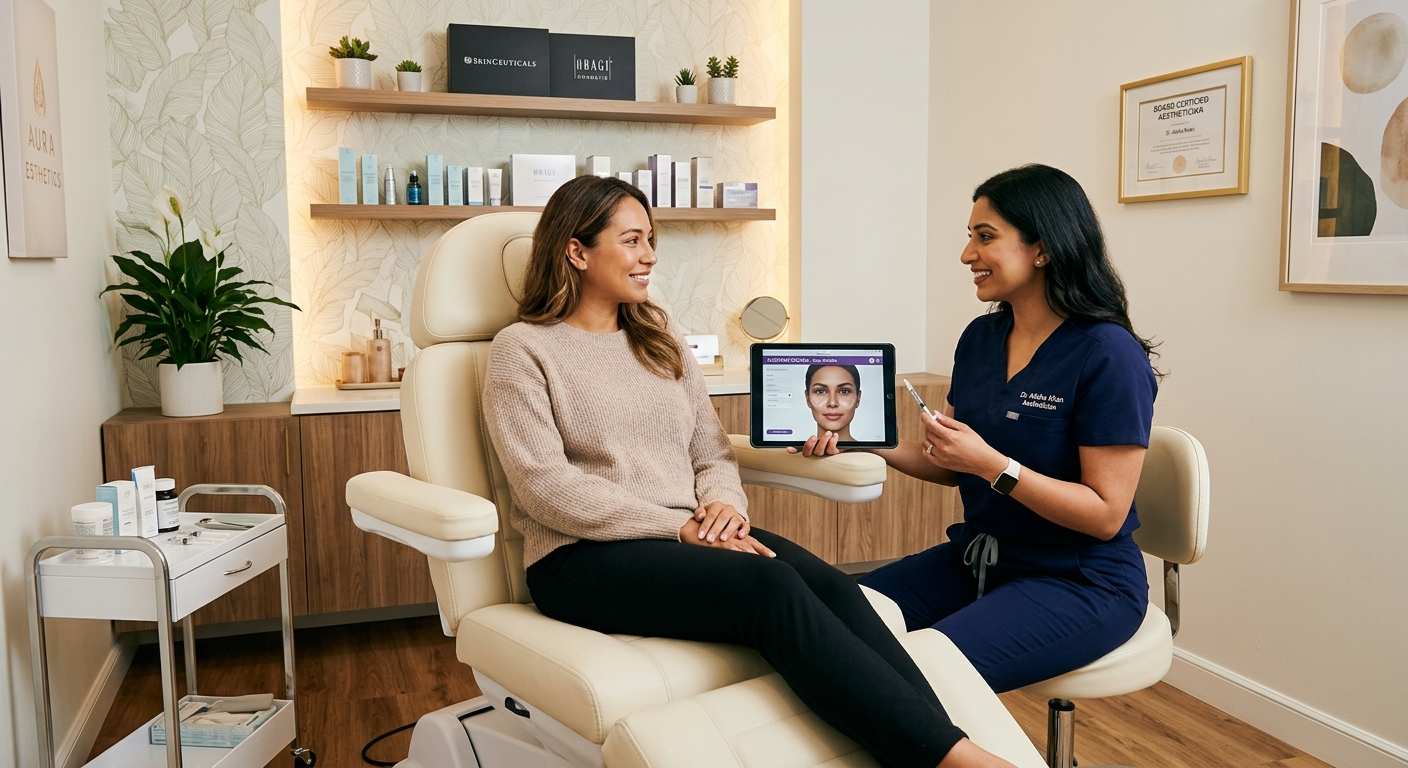
Selecting the right cosmetic procedure necessitates careful consideration and clear communication with qualified professionals. Consultation with board-certified practitioners helps to clarify personal aesthetic goals and ensures a comprehensive understanding of potential outcomes. It is also essential to evaluate the necessity of post-procedure care and to be mindful of the ongoing commitment that certain treatments may require to maintain desired results.
Ultimately, combining aesthetic objectives with considerations for health, safety, and psychological well-being is necessary for a satisfactory cosmetic experience. The decision to pursue cosmetic enhancements should reflect a balance between personal beauty aspirations and informed risk assessment, ensuring a path that supports both confidence and long-term wellness.
The content is provided by Avery Redwood, Scopewires