Highlights
- Convertible sofa beds combine comfort and style, perfect for maximizing small living spaces.
- Embrace modern living with innovative designs that reflect cultural trends and consumer needs.
Overview of Convertible Sofa Beds
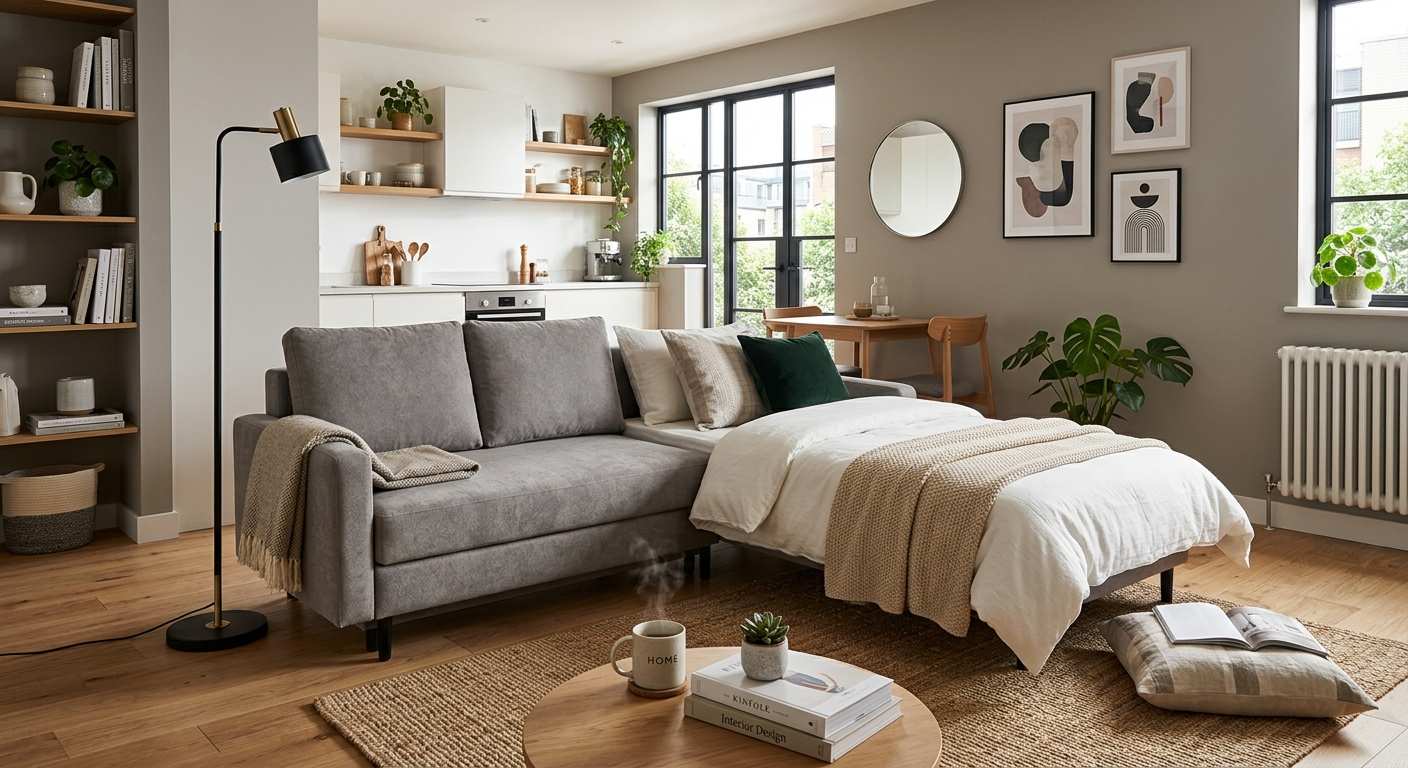
Convertible sofa beds serve as multifunctional furniture designed to blend the roles of a sofa and a bed, effectively addressing space constraints in urban settings such as small apartments and studios. Their design has evolved from early innovations like the Murphy bed to modern variants featuring diverse mechanisms and materials, such as memory foam mattresses and metal frames, thereby enhancing both comfort and durability. This adaptability makes them increasingly popular as consumers seek solutions that offer both style and functionality in compact living environments.
Broad societal trends play a key role in shaping consumer preferences for convertible sofa beds, reflecting factors such as demographic shifts and cultural values. As the demand for adaptable living spaces grows, consumers prioritize features such as load capacity, ease of use, and sustainability. However, buyers often express concerns over long-term durability and maintenance, which can impact market adoption based on varying cultural attitudes toward multifunctional furniture.
Types of Convertible Sofa Beds
Convertible sofa beds are categorized primarily by their transformation mechanisms and mattress types. Pull-out sofa beds, for example, feature hidden mattresses that unfold from the base when doubled as a bed, often requiring cushion repositioning. Innovations like the click-clack mechanism simplify conversion by allowing the backrest to fold effortlessly into various positions, ideal for small spaces due to their sleek design.
Hybrid designs further enhance versatility, combining features from multiple mechanisms to adapt to different room layouts and user preferences. Motorized options offer an advanced approach to transformation, appealing to consumers seeking high-tech solutions. The choice of mattress, which varies from innerspring to pocket-coil, significantly influences overall usability and comfort, catering to regular and occasional sleepers alike.
Design Factors and Materials
When selecting a convertible sofa bed, key considerations include comfort, durability, and the choice of materials. Metal frames are favored for their strength and minimal maintenance, while kiln-dried hardwood is lauded for durability, often exceeding 20 years, offering both aesthetic appeal and structural integrity. Conversely, lower-cost materials like particleboard may compromise durability over time, impacting the long-term value of the furniture.
The mattress type is equally crucial, with modern options such as memory foam promising ergonomic support compared to older coil designs. Upholstery materials also contribute to usability; water-resistant fabrics help maintain cleanliness and longevity in dual-use settings. Regular maintenance, including checks on upholstery and mechanisms, is vital to ensure optimal functionality.
Advantages and Disadvantages
Convertible sofa beds provide significant advantages, particularly in space-saving capabilities and the dual-functionality they offer. These pieces can enhance a room’s utility by combining seating and sleeping arrangements, making them well-suited for contemporary urban living. Furthermore, many designs incorporate additional features like storage compartments, promoting an organized environment in limited spaces.
However, potential drawbacks include concerns regarding comfort levels compared to traditional beds and the complexities involved in the mechanism’s longevity. Consumers frequently express anxiety about wear and tear, particularly regarding the comfort during sleep, which is a critical evaluation factor for those considering a convertible sofa bed. Balancing the upfront investment against long-term usability and aesthetic appeal remains essential for making an informed choice.
Cultural Context and Application
The adoption of convertible sofa beds is influenced significantly by cultural factors and regional lifestyles. In urban settings characterized by limited space, such as East Asia, these pieces are favored for their multifunctional benefits and minimalist design principles. Alternatively, Western markets often prioritize aesthetics alongside comfort, reflecting differing lifestyle expectations.
Moreover, as cultural heritage interacts with global design trends, there is an increasing emphasis on sustainable practices that honor local craftsmanship while incorporating modern functionalities. This trend not only preserves individual cultural identities but also reinforces the relevance of convertible sofa beds as appealing and practical furniture solutions across diverse living spaces.
The content is provided by Harper Eastwood, Scopewires