Comprehensive Guide on How to Apply for VA Housing Grants for Disabled Veterans in the US in 2026
Highlights
- VA housing grants provide crucial support for veterans with service-connected disabilities.
- Updated 2026 grant amounts reflect rising construction costs, enhancing accessibility for veterans.
Summary
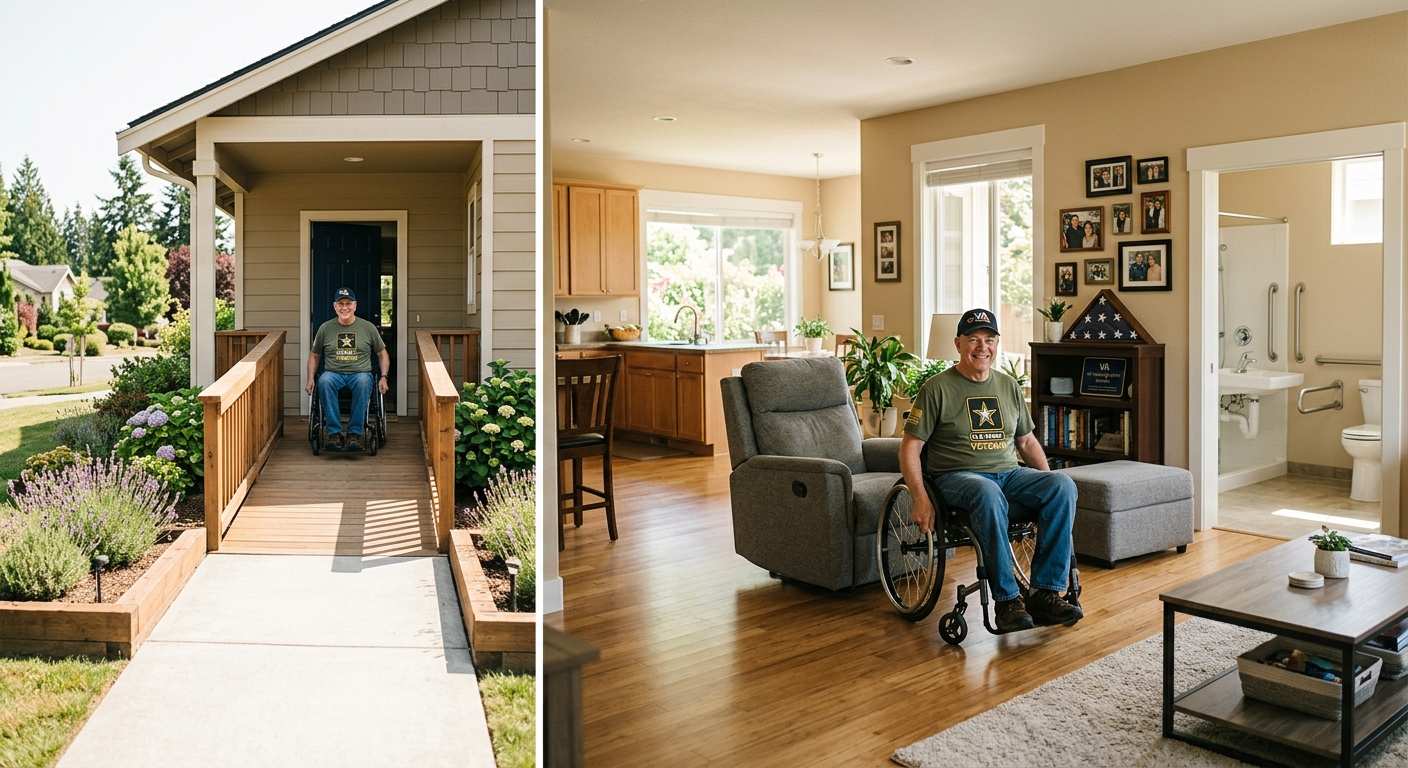
The Department of Veterans Affairs (VA) provides housing grants to support U.S. veterans with service-connected disabilities in acquiring or modifying homes for accessibility. Critical grants include the Specially Adapted Housing (SAH), Special Housing Adaptation (SHA), and Temporary Residence Adaptation (TRA) grants. These funds aim to enhance veterans’ safety and independence by covering essential modifications like wheelchair ramps, widened doorways, and bathroom alterations, with specific eligibility criteria based on disability ratings.
Overview of VA Housing Grants
The VA offers several housing grants focused on aiding veterans with service-connected disabilities. Key grants like the SAH and SHA are designed to help veterans adapt their homes or purchase new ones suited to their needs. Notably, the SHA grant can be used to modify family members’ homes in certain instances, emphasizing its non-repayable nature, which adds value for eligible veterans. Application submissions via VA Form 26-4555 initiate the process, with local resources available to assist veterans in navigating this system effectively.
Eligibility Requirements for Disabled Veterans
To qualify for VA housing grants, disabled veterans must have a service-connected disability documented by the VA. The specific grant determines the disability rating required; for instance, the SAH grant generally mandates a 100% disability rating, while the SHA may accommodate lower ratings with qualifying conditions. Essential documentation includes proof of disability and evidence of home ownership or intent to acquire property needing adaptations.
Application Process
Veterans applying for grants must fill out VA Form 26-4555, which can be submitted online or at a local VA office. Eligibility hinges on the veteran’s documented disability status and ownership intentions regarding the property to be modified. The application review time typically spans 60 to 90 days and varies based on application completeness and complexity. Thorough preparation of the necessary documents can mitigate delays in the approval process.
Required Supporting Documents
A comprehensive submission is vital for grant applications. Veterans need to provide documented proof of service-connected disabilities and necessary ratings. Ownership clarification for the property being adapted is critical, as all adaptations should directly benefit the veteran’s living environment. Complete information aids in a smoother approval process, minimizing potential setbacks.
Grant Amounts and Funding Limits for 2026
In 2026, the SAH grant offers up to $126,526, while the SHA grant is set at $25,350, with adjustments reflective of economic conditions. These amounts are essential for funding home modifications or new constructions tailored to veterans’ needs. Applicants are advised to understand the specific eligibility and funding limits prior to application to optimize the benefits received.
Use of Grant Funds
Grant funds can be allocated toward various home modifications such as wheelchair ramps and bathroom alterations. In addition, the TRA grant supports temporary adaptations for veterans living with family. It’s critical for veterans to ensure that funds are used as per approved adaptation plans to maintain compliance with VA guidelines.
Common Challenges and Barriers
Selecting the correct grant can be cumbersome, given the various options available. Proper documentation and verification of eligibility often present hurdles that can delay the approval process. Home ownership implications may also complicate applications, especially for veterans living temporarily with others. Understanding these challenges can prepare veterans to navigate the system effectively.
Legislative and Policy Updates for 2026
Grant programs have seen adjustments to accommodate rising costs; notable increases in SAH and SHA grant limits aim to reflect changing economic conditions. The VA emphasizes adherence to eligibility criteria to support veterans adequately. Clear communication with VA agents can streamline the application process, ensuring applicants understand the nuances of these updates.
After Receiving the Grant
Once a grant has been awarded, veterans should promptly use the funds for planned modifications or construction to adhere to the approved scope of work. Timely execution ensures ongoing compliance with grant conditions and promotes a safer living environment for the veteran.
Resources and Assistance
Beyond VA grants, various nonprofits and state programs can further assist disabled veterans with housing needs and financial support. The VA offers multiple housing-related programs to cater to different requirements, enhancing the ability of veterans to live independently. It’s advisable for veterans to seek guidance from local VA offices for personalized assistance and to verify information through official channels.
Frequently Asked Questions (FAQs)
Q: What types of VA housing grants are available for disabled veterans in 2026?
A: The primary VA grants include SAH, SHA, TRA, and HISA, each catering to specific needs based on veterans’ disabilities.
Q: Who is eligible to apply for these housing grants?
A: Eligibility requires documentation of a service-connected disability recognized by the VA, with varying ratings for different grants.
Q: How much funding can veterans receive from these grants in 2026?
A: The SAH grant can provide up to $126,526, while the SHA grants up to $25,350.
Q: Can grant funds be used for already owned homes?
A: Yes, funds may be applied to adapt homes already owned by the veteran.
Q: What is the timeline for the application process?
A: Processing generally takes 60 to 90 days, influenced by the completeness of submissions and the nature of the requested adaptations.
Q: What can veterans do if their application is denied?
A: They may request a review or appeal through established VA procedures.
Q: How can veterans ensure a smooth application process?
A: Complete documentation and proper submission details can assist in avoiding delays.
Q: Are the grants flexible for varied adaptations?
A: Yes, the grants allow for tailored adaptations based on individual needs.