Highlights
- Boston's Housing Lottery prioritizes vulnerable populations, enhancing equity in affordable housing access.
- Ongoing refinements aim to improve outreach and application processes for marginalized residents.
Overview of Boston Housing Allocation
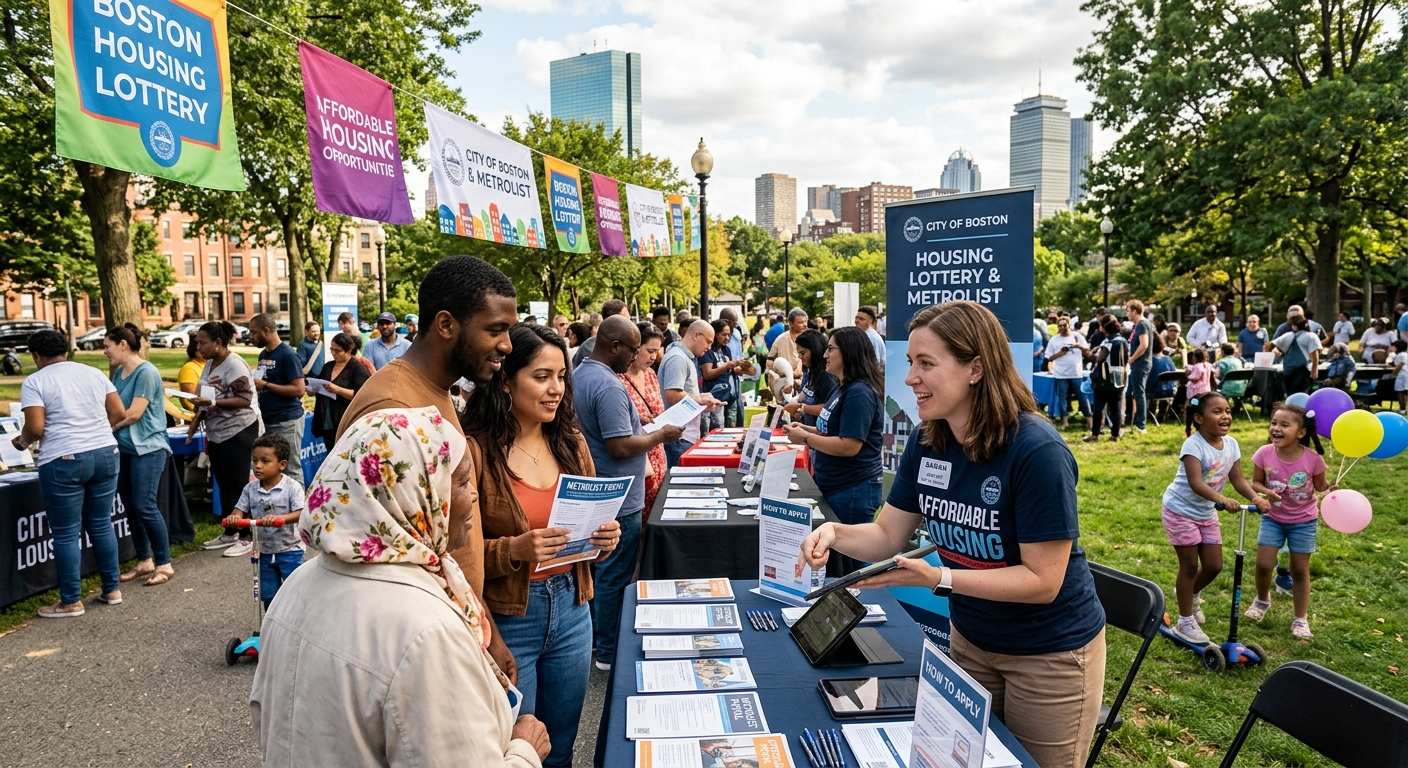
The Boston Housing Lottery and the Metrolist portal are essential components of Boston’s strategy for distributing income-restricted affordable housing. Managed by the Mayor’s Office of Housing, the lottery enables households earning at or below 80%, 90%, or 100% of the Area Median Income (AMI) to access deed-restricted rental and homeownership units within new developments across the city. The Metrolist platform facilitates this process by allowing applicants to explore listings, submit applications, and track results, thereby enhancing transparency and access.
The lottery employs a randomized selection process, integrating applicant preferences such as homelessness or veteran status to prioritize vulnerable groups. While this framework aims to enhance equity, it has faced criticism regarding accessibility for marginalized communities and transparency following instances of perceived favoritism among lottery winners. Ongoing legal challenges highlight the issues of racial and economic segregation and raise questions about the overall effectiveness of the allocation system. Future improvements to the lottery and Metrolist focus on increasing outreach and refining eligibility checks to better serve Boston’s vulnerable residents.
Eligibility and Application Process
The application procedure for the Boston Housing Lottery requires participants to apply through the Boston Home Center, which automatically enters them into relevant lotteries based on qualifications. Income eligibility is determined by household size and total income, with detailed documentation required for validation. Applicants must correctly report financial information, as inaccuracies can lead to disqualification.
The lottery’s ranking system also incorporates preferences to expedite access for individuals facing hardships such as domestic violence or displacement. Factors such as Boston residency and household size can influence ranking within applicant pools, which means that certain households may have enhanced chances depending on their circumstances. Transparency is maintained through the Metrolist platform, where lottery results and application statuses are readily accessible, though applicants must remain vigilant about reporting any changes to their household information.
Metrolist Portal Functionality
Metrolist serves as the city’s primary online resource for finding income-restricted housing options. It allows users to search current listings, receive updates on housing opportunities, and access application methods. The portal collaborates with partner agencies to broaden the range of available housing options. However, depending on additional criteria like outstanding debts, users may encounter varying eligibility requirements.
This centralized approach aims to streamline application procedures while promoting equitable access. Features such as multi-language resources and direct links to application forms enhance user experience, but applicants should be cautious about the complex process surrounding eligibility documentation. Successful navigation of these regulations is key to obtaining affordable housing in a competitive landscape.
Challenges and Criticisms
Despite its structured framework, the Boston Housing Lottery system encounters significant challenges, particularly regarding accessibility and transparency. Critics, including community organizers, argue that many eligible residents remain unaware of the lottery process, particularly those from marginalized backgrounds. In addition, instances where lottery winners are connected to city officials have sparked concerns over fairness and potential conflicts of interest.
Legal issues have also arisen, alleging that the lottery violates Fair Housing Laws, further complicating access to affordable housing in a city grappling with persistent segregation. A lack of clarity in the application process can deter potential applicants and create obstacles for those needing immediate housing solutions. Overall, enhancing transparency and addressing systemic biases remain pivotal for building community trust and ensuring fair access to affordable housing.
Prospective Enhancements
Looking ahead, Boston’s housing strategy is expected to evolve with a focus on improving the accessibility and efficiency of its lottery and Metrolist portal. Initiatives aim to leverage technology for better outreach and support, including refining eligibility criteria and streamlining applicant communication. Given the city processes over 10,000 applications annually, prioritizing vulnerable groups remains a core aspect of future allocation strategies.
Moreover, prospective adjustments to guidelines governing application deadlines and eligibility requirements seek to ensure fair participation. The Boston Office of Housing Stability continues to offer technical assistance and support for income-eligible homeowners while aiming to broaden complementary services addressing homelessness. Such holistic approaches are crucial to tackling Boston’s growing housing needs effectively.
The content is provided by Harper Eastwood, Scopewires