Highlights
- Asian massage blends ancient wisdom with modern techniques for holistic well-being.
- Consult qualified practitioners to enhance your experience and ensure efficacy.
“`html
Overview of Asian Massage Therapies
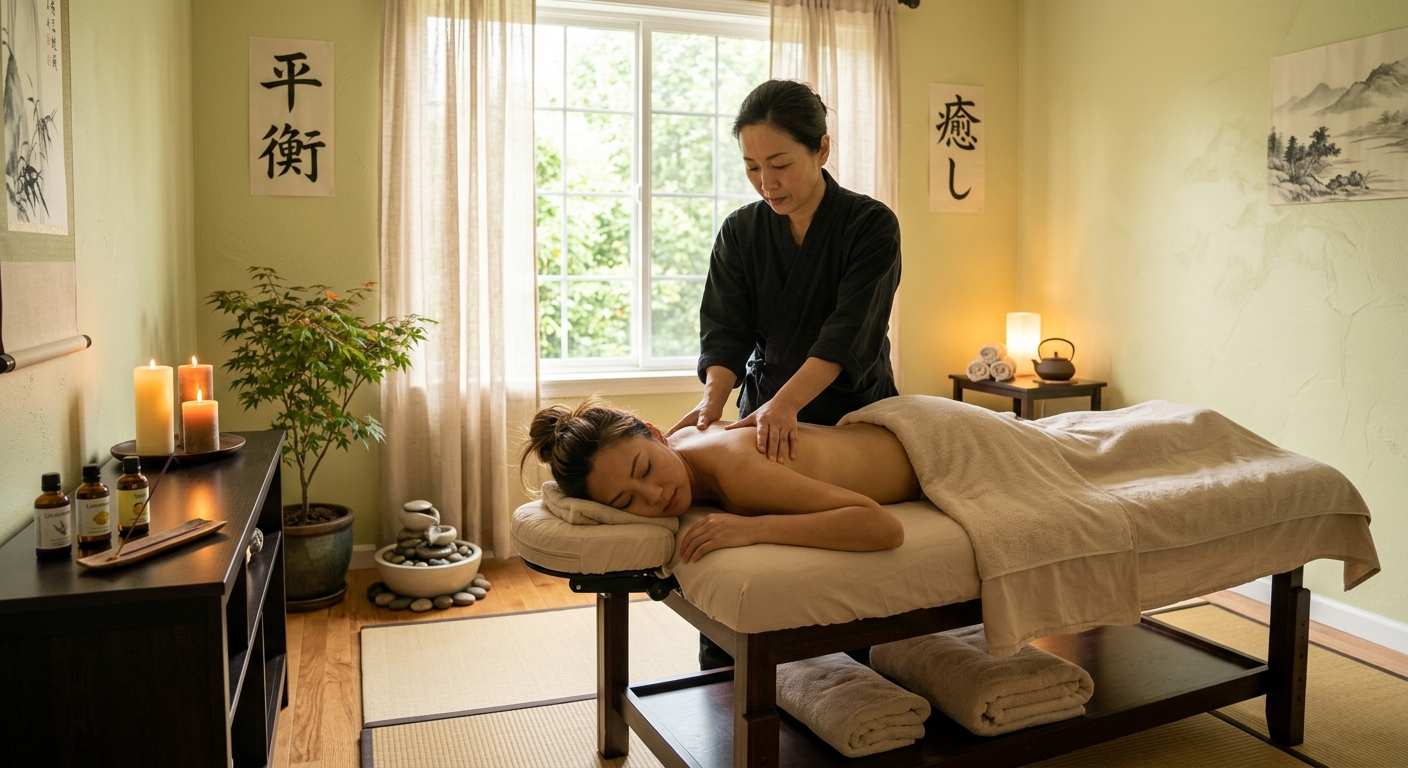
Asian massage encompasses traditional therapeutic practices from diverse cultures, including Chinese, Japanese, Indian, and Thai traditions. Rooted in ancient medical systems such as Traditional Chinese Medicine (TCM) and Ayurveda, these modalities emphasize a holistic connection between body, mind, and spirit, aiming to restore energetic balance through physical manipulation, acupressure, and specialized techniques. Common styles include Tui Na, Shiatsu, Ayurvedic, and Thai massage, each offering unique methods and wellness goals, like muscle tension relief, improved circulation, and emotional balance.
Despite their increasing integration into wellness and healthcare, clinical evidence supporting the efficacy of these therapies is mixed. Methodological challenges in studies, such as small sample sizes and lack of controls, hinder definitive conclusions about their benefits. Potential recipients are encouraged to consult qualified practitioners and healthcare professionals, especially when seeking treatment for medical conditions. Furthermore, the regulatory environment varies; some practices like Shiatsu have formal certification systems, while others, such as Ayurvedic massage, lack standardized oversight.
Historical Context and Techniques
Asian massage practices have evolved over millennia, intertwined with traditional medicine and spirituality. For example, ancient Chinese practices documented as early as 2700 BCE laid foundational principles for TCM, while Ayurvedic massage incorporates techniques detailed in classical texts. Thai massage, rooted in Buddhist teachings, highlights the ongoing spiritual dimension of these modalities.
Among traditional techniques, Tui Na applies rhythmic kneading and pressing to stimulate Qi flow, while Shiatsu focuses on finger pressure to re-establish energetic balance. Thai massage combines elements of yoga, using assisted stretches alongside rhythmic pressure to improve flexibility. Ayurvedic massage employs specific oils and strokes customized to balance doshas and promote holistic wellness.
Diagnostic Approaches
To personalize treatment, Asian massage therapies often incorporate diagnostic methods from traditional medical systems. Practitioners assess physical conditions through methods like pulse assessment and verbal history to confirm patterns of disharmony before treatment. In Ayurveda, diagnostics also encompass holistic evaluations—including pulse, urine, and speech analysis—emphasizing the interconnectedness of mental and physical health.
These assessments guide therapists in developing personalized treatment strategies and addressing underlying causes more effectively. For instance, the analysis of dosha imbalances in Ayurveda aids in customizing massage techniques, ensuring treatments target specific needs for optimal health outcomes.
Clinical Evidence and Practitioner Qualifications
Research on the efficacy of Asian massage techniques remains inconclusive, highlighting a need for more rigorous studies. While some therapies, like Shiatsu and Tui Na, have shown therapeutic potential, significant gaps in high-quality clinical trials persist. Consequently, practitioners must stay informed about evolving research and methodologies to provide effective treatment. Certification and ongoing education are vital to establish practitioner credibility and ensure appropriate skills for varied techniques, especially for deeper therapeutic modalities.
Considerations for Recipients
When engaging in Asian massage therapies, recipients should remain aware of potential contraindications and the qualifications of practitioners. Since these modalities can vary significantly based on a practitioner’s experience and background, thorough research and consultations are advisable before starting therapy, particularly for those with specific health concerns.
Moreover, some modalities may not be regulated in certain regions; thus, seeking therapists with recognized credentials and adherence to professional standards can enhance treatment comfort and effectiveness. Understanding individual health conditions and their implications on therapy is crucial for safely benefiting from these holistic massage practices.
“`